
Navigating a Dairy and Soy Free Diet
A practical guide
Contents
Back in stock
Toddler to Table now back in stock!
Your guide to bringing the family together, one meal (and delicious recipe) at a time.
Order nowSome babies and mothers may be advised to follow a dairy-free and/or soy-free diet, particularly if a doctor or healthcare professional suspects a reaction to cow’s milk protein or soy protein. This might involve removing these foods from a baby’s diet when starting solids, choosing specialised formula, or in some cases temporarily removing them from the breastfeeding parent’s diet.
If you’ve been advised to avoid dairy or soy, it can feel overwhelming at first. These ingredients appear in many common foods, and learning what to look for on labels and what alternatives to use can take some getting used to.
To help make things easier, we’ve put together a practical guide to foods that contain dairy and soy, ingredients to watch for, and simple swaps that can help you continue preparing nourishing meals for your baby and family.
Dairy
While cow’s milk protein is the most common trigger, the proteins in other mammals’ milk are similar and may also trigger a reaction in those with an allergy or intolerance. For this reason, dairy-free diets typically exclude milk from all mammals, including cow, goat, sheep and buffalo. It’s also important to note that lactose free dairy is not an alternative option as the reaction is to the milk protein; not lactose.
Foods that obviously contain dairy:
- Milk (full cream, skim, lactose-free, condensed, evaporated, buttermilk)
- Cow and goat milk infant formula (read more about formula here)
- Cheese (cheddar, parmesan, cream cheese, cottage cheese etc.)
- Cream and sour cream
- Yoghurt and kefir
- Custard
- Butter, margarine and ghee
- Ice cream and soft serve
- Milk chocolate
- Any product made with these ingredients
Ingredients that contain dairy:
Many packaged foods contain dairy-derived ingredients, so reading labels becomes very important.
Common dairy ingredients include:
- Whey
- Casein / caseinate
- Milk solids
- Milk powder
- Lactoglobulin
- Lactalbumin
- Curd
Because dairy is a major allergen, it must be clearly declared on food labels in Australia.
Foods that may unexpectedly contain dairy:
Some packaged foods that can contain dairy include:
- Potato chips
- Sauces and dressings
- Some breads (especially gluten-free)
- Packet soups
- Baked goods
- Snack bars and granola
- Chocolate and confectionery
- Deli meats
Soy
Soy is another common food protein that some babies react to, particularly those with cow’s milk protein intolerance.
A soy-free diet requires avoiding soybeans and foods derived from soybeans.
Obvious sources of soy:
- Soy milk
- Soy based infant formula
- Soy sauce and tamari
- Tofu (bean curd)
- Tempeh
- Edamame / soybeans
- Miso
- Soy protein or soy protein isolate
- Soy flour
- Soy yoghurt or soy ice cream
- Soy cheese
- Textured vegetable protein (TVP)
Foods that may unexpectedly contain soy:
- Some breads
- Baked goods
- Breakfast cereals
- Chocolate and confectionery
- Mayonnaise and salad dressings
- Stock and broth
- Packet soups
- Meat alternatives
- Vegan alternatives
- Ice cream
Ingredients that may contain soy:
- Flavouring / natural flavouring
- Hydrolysed vegetable protein
- Vegetable broth
- Vegetable gum
- Vegetable starch
Like dairy, soy must also be clearly labelled as an allergen on food packaging.
What about soy lecithin and soybean oil?
Many people with soy intolerance can tolerate soy lecithin and highly refined soybean oil, because they contain little to no soy protein (the allergenic part of soy). However, tolerance can vary between individuals, so it’s best to follow guidance from your healthcare provider.
Dairy & Soy Free Food Swaps
If your baby or family needs to avoid dairy and soy, there are still plenty of delicious alternatives available.
| Instead of… | Try… |
| Cow’s milk | Rice milk, oat milk, coconut milk, nut milks (if age appropriate and no nut allergy) |
| Butter | Olive oil, avocado, nut butter, tahini |
| Cheese | Nut-based cheeses, homemade cashew cheese |
| Yoghurt | Coconut yoghurt |
| Ice cream | Coconut milk ice cream, sorbet |
| Soy sauce | Coconut aminos |
| Milk chocolate | Plain dark chocolate (always check labels) |
Foods Naturally Free From Dairy and Soy
Many whole foods are naturally free from dairy and soy, making them excellent staples for babies and families.
- Meat
- Chicken
- Fish
- Eggs
- Nuts and seeds
- Rice, quinoa, buckwheat, barley
- Oats
- Wheat, spelt and rye
- Fruit
- Vegetables
- Legumes (except soybeans)
- Fats and oils (olive oil, avocado, coconut oil, tallow, lard)
Example Day on a Dairy & Soy Free Diet
These ideas can be adapted for babies, toddlers or the whole family.
| Meal | Options |
|---|---|
| Breakfast | Oat and chia bircher muesli/porridge with coconut milk, berries, nut butter OR Sourdough toast with scrambled eggs and avocado |
| Lunch | Shredded chicken, quinoa and roast vegetable salad OR Rice cakes with avocado, tuna and cucumber |
| Dinner | Slow cooked beef brisket with sweet potato mash and broccoli OR Lentil dahl with rice and steamed vegetables |
| Snacks | Veggie sticks with hummus Smoothie with coconut or almond milk, banana and hemp seeds Chia pudding with coconut milk and fruit Fresh fruit with nut butter Roasted chickpeas or fava beans A few squares of dark chocolate |
What About Calcium?
If dairy and soy are removed from the diet, calcium intake may drop. Calcium is important for bone growth and development, especially in babies and young children.
Calcium requirements: 1
7-12 months: 270 mg/day
1-3 yr: 500 mg/day
4-8 yr: 700 mg/day
Dairy- and soy-free calcium sources include: 2
| Food | Serving size | Calcium content |
| Calcium-fortified plant milks | 100 ml | 30 – 120 mg |
| Tinned salmon with bones | 100 g | 130 mg |
| Tahini | 30 g | 100 mg |
| Chia seeds | 30 g | 160 mg |
| Almonds | 30 g | 80 mg |
| Chickpeas | 100 g | 45 mg |
| Kale | 50 g | 110 mg |
Some families may also benefit from calcium-fortified foods or supplements, depending on their calcium intake and age. If you would like individualised support, we can help you or your little one in our online clinic.
Plant-Based Milks
The plant-based milk aisle can feel overwhelming. While these milks can be helpful for families avoiding dairy, they vary widely in their nutritional content. Most are largely water-based and don’t naturally provide the same nutrients as dairy milk.
When choosing a plant milk, consider the following:
Calcium
Choosing a calcium-fortified plant milk can help support calcium intake.
Look for:
100–120 mg calcium per 100 ml
(or around 250 – 300 mg per cup)
Sweetness
Choose unsweetened varieties where possible to avoid added sugars.
Added ingredients
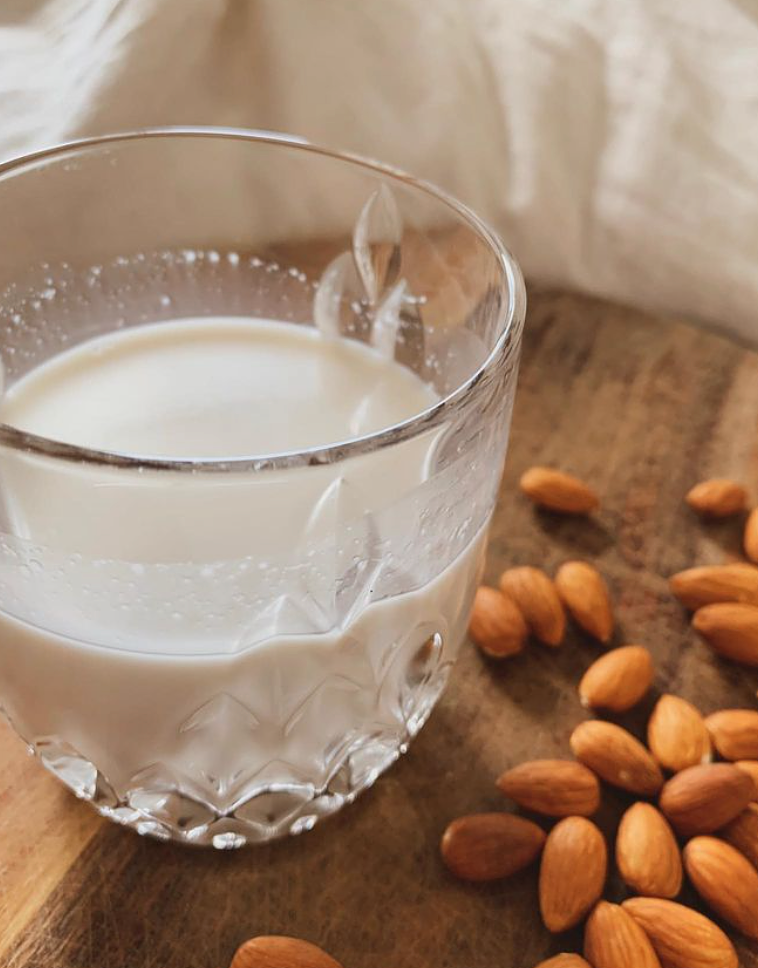
Some plant milks contain oils, gums or emulsifiers to improve texture and shelf life. These ingredients are generally considered safe, but if you prefer a simpler ingredient list you may wish to choose milks containing just the base ingredient (e.g. almonds), calcium, water and salt.
Final Thoughts
Adjusting to a dairy- and soy-free diet can feel like a big change at first. But once you become familiar with food labels and find a few favourite substitutes, it often becomes much easier.
Rather than focusing on the foods you can’t have, try shifting your focus to the many whole foods that are naturally free from dairy and soy.
With a little planning and support, it’s absolutely possible to continue offering nourishing, balanced meals for your baby and family. If you want individualised support, we can help in our online clinic.
References
- National Health and Medical Research Council (NHMRC), Australian Government Department of Health and Ageing, New Zealand Ministry of Health. Nutrient Reference Values for Australia and New Zealand. Canberra: NHMRC; 2006.
- Food Standards Australia New Zealand (2025) Australian Food Composition Database – Release 3.0. Canberra: FSANZ. Available at: https://afcd.foodstandards.gov.au/



Back in stock
Toddler to Table now back in stock!
Your guide to bringing the family together, one meal (and delicious recipe) at a time.
Order now
Liver and Vitamin A for babies
A nutritious addition

Gestational diabetes – what is it, how can I prevent it, how do I know if I have it and what is the OGTT?
Gestational diabetes is a type of diabetes that affects pregnant women. It is a condition that is characterised by high blood glucose levels (hyperglycaemia) during pregnancy, technically defined as "glucose intolerance with onset or first recognition during pregnancy". This blog discusses what gestational diabetes is, if and how you can prevent it, and what diagnostic options are available.
Cage vs barn laid vs free range vs pasture raised vs organic eggs… what’s the difference?
Who would have thought there could be so many decisions to make when it comes to buying eggs! We are often asked what the difference is between pasture-raised, organic, free range and caged eggs, so let’s clear it up…

Starting Solids
Signs of readiness, first foods and how to begin
When can I start to combine foods?
Can my baby have more than one food at a time? Can they have a meal with foods combined?

The Division of Responsibility
A framework that makes feeding feel calmer and clearer
Add a comment
Show Comments
1Leave a Comment
Your email address will not be published. Required fields are marked *
Bionaze.com says:
Wow! Thank you for posting this. Despite being a busy mom, I always want to serve healthy and delicious food for my family. I will save it. Keep on posting!