


Nose-to-Tail Eating
A sustainable, ethical and nutritious approach to eating meat

Contents
Back in stock
Toddler to Table now back in stock!
Your guide to bringing the family together, one meal (and delicious recipe) at a time.
Order nowAt Boob to Food, we’re passionate about nutrient-dense meals, especially for babies and growing children. One way to maximise nutrition while stretching your budget is through nose-to-tail eating – a sustainable, ethical, and economical approach to consuming every part of the animal.
By embracing lesser-known cuts and organ meats, you’re not only reducing food waste but also accessing nutrient powerhouses like liver, bone marrow, and kidneys. With a little preparation and creativity, these ingredients can become delicious, family-friendly meals.
If this idea feels overwhelming, don’t worry, our online clinic offers personalised consultations to help you navigate your family’s nutrition needs, and our books Milk to Meals and Toddler to Table provide practical recipes for wholesome, nutrient-rich meals.
What is Nose-to-Tail Eating?
Nose-to-tail eating is a culinary philosophy centred on using every part of the animal for food preparation. It minimises waste, promotes sustainability, and fosters a greater appreciation for the animal’s role in nourishing us. Historically, this approach has been a cornerstone of many cultures, where every part of the animal—feet, cheeks, tails, and innards—was utilised.
In modern Western diets, we often focus on prime cuts like steak or chicken breast, leaving other valuable parts underused. By exploring this broader range, we can diversify our diets, support local farmers, and reduce our environmental impact.
Why Embrace Nose-to-Tail Eating?
1. Nutritional Powerhouses
Organ meats are some of the most nutrient-dense foods available:
- Liver: Packed with vitamin A, B vitamins, iron, and copper.
- Kidneys: High in selenium and essential nutrients.
- Bone broths: A rich source of collagen and minerals.
While convenient options like freeze-dried organ capsules and collagen powders are available, they’re often expensive. Preparing these foods at home is far more cost-effective and ensures maximum freshness and flavour.
2. Economic Benefits
Organ meats and other off-cuts are typically more affordable than prime cuts. By incorporating these into your meals, you can stretch your food budget further without compromising on nutrition. For example, slow-cooking a lamb shank or making a rich chicken liver pâté often costs less than preparing a steak dinner.
3. Ethical Eating
If an animal’s life is taken for food, nose-to-tail eating ensures that nothing goes to waste, honouring the animal and promoting more humane and sustainable farming practices. Supporting local butchers or farmers who prioritise ethical practices also strengthens your community.
4. Environmental Impact
Western eating habits often result in significant food waste, with many valuable cuts discarded. A nose-to-tail approach reduces this waste, contributes to a more balanced consumption model, and lessens the overall demand for raising livestock—particularly when animals are regeneratively farmed.
How to Get Started with Nose-to-Tail Eating
1. Start Small
Ease into it by incorporating small amounts of organ meats, such as blending liver into minced meat dishes or adding bone broth to soups and stews.
2. Experiment with Recipes
Explore traditional recipes from cuisines that embrace nose-to-tail eating, such as French pâtés, Spanish blood sausages, or Asian-style bone broths. Older cookbooks or online resources are great places to start.
3. Build Relationships
Develop a connection with your local butcher or farmer. They can recommend cuts, share tips, and even source specific parts for you.
4. Learn Hands-On
Consider attending a nose-to-tail cooking workshop to gain confidence in preparing these ingredients.
Why It Matters Now
In the face of rising food costs, nose-to-tail eating provides a sustainable way to maximise resources while reducing waste. It’s an approach rooted in tradition yet perfectly suited to modern challenges, offering solutions for families looking to eat ethically, economically, and nutritiously.
If you’d like personalised advice on introducing nose-to-tail eating to your family, our online clinic is here to support you with tailored guidance.
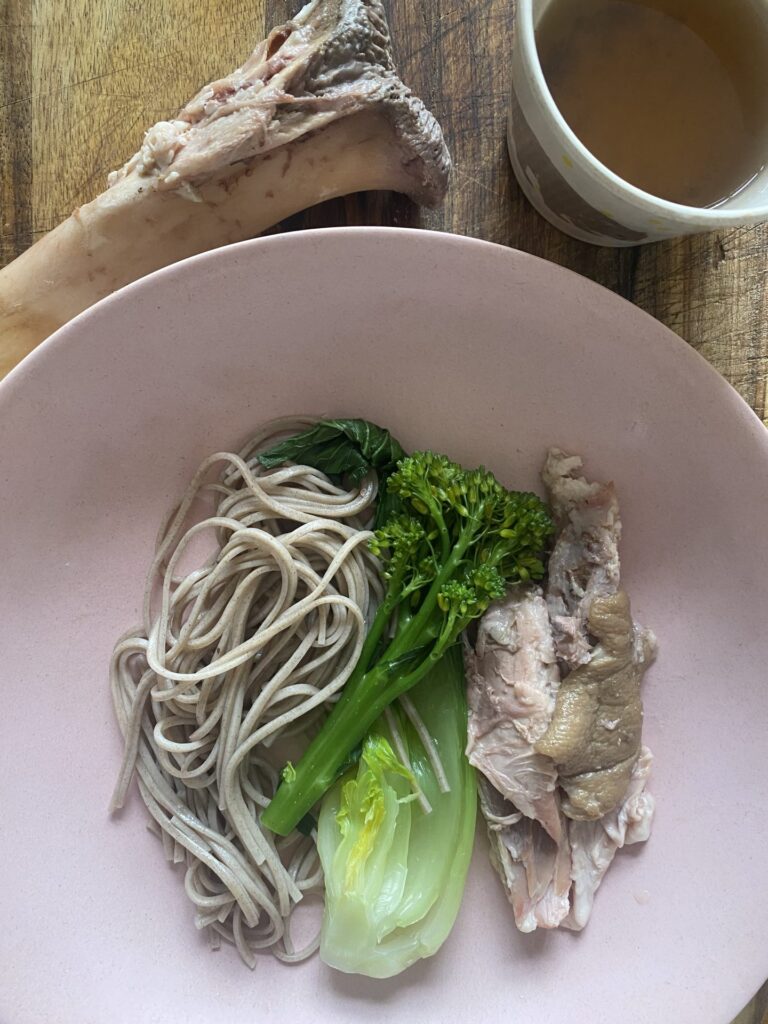
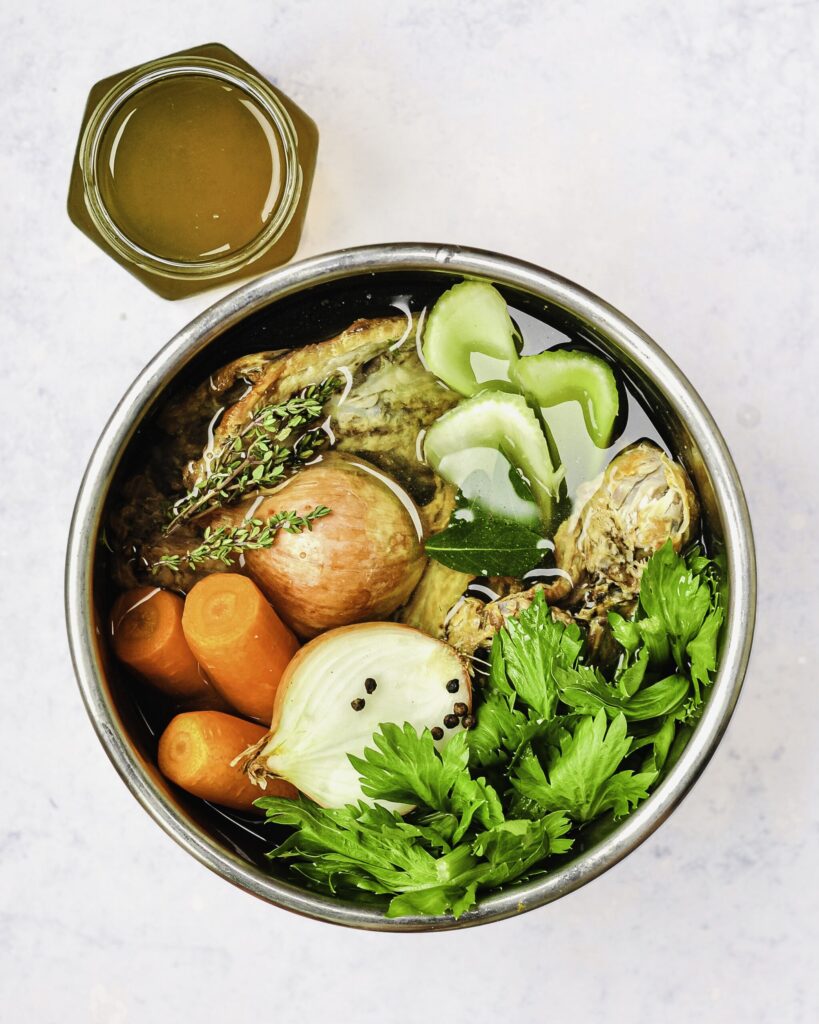
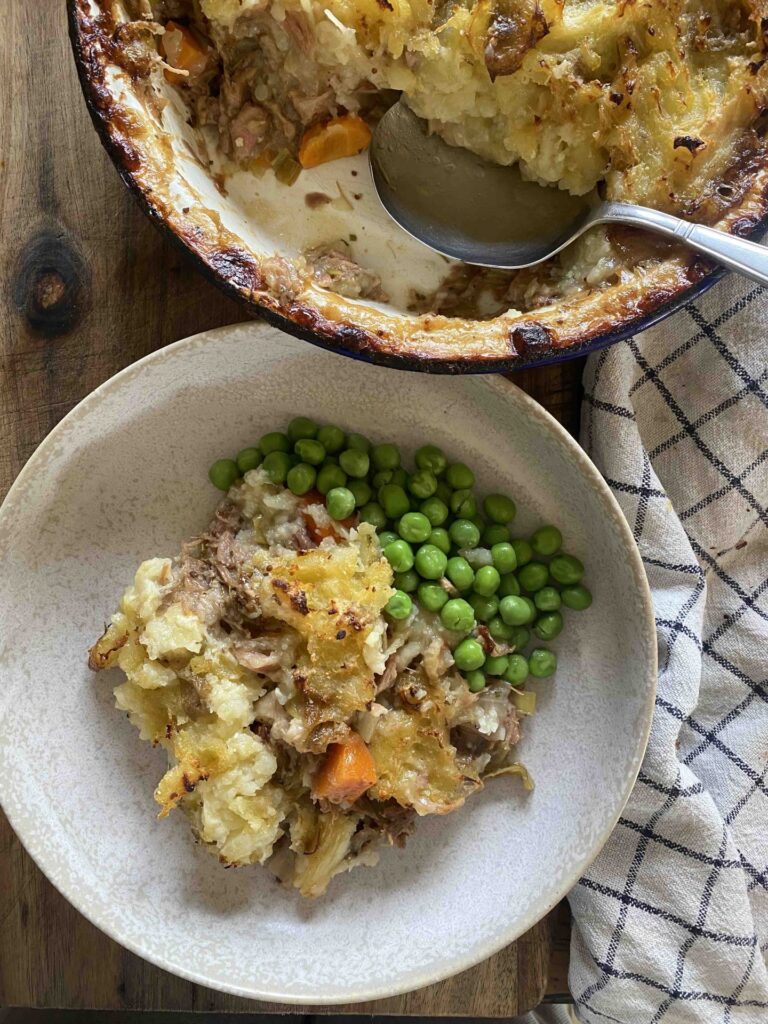
Recipes That Incorporate Nose-To-Tail Eating

Back in stock
Toddler to Table now back in stock!
Your guide to bringing the family together, one meal (and delicious recipe) at a time.
Order now
The Division of Responsibility
A framework that makes feeding feel calmer and clearer
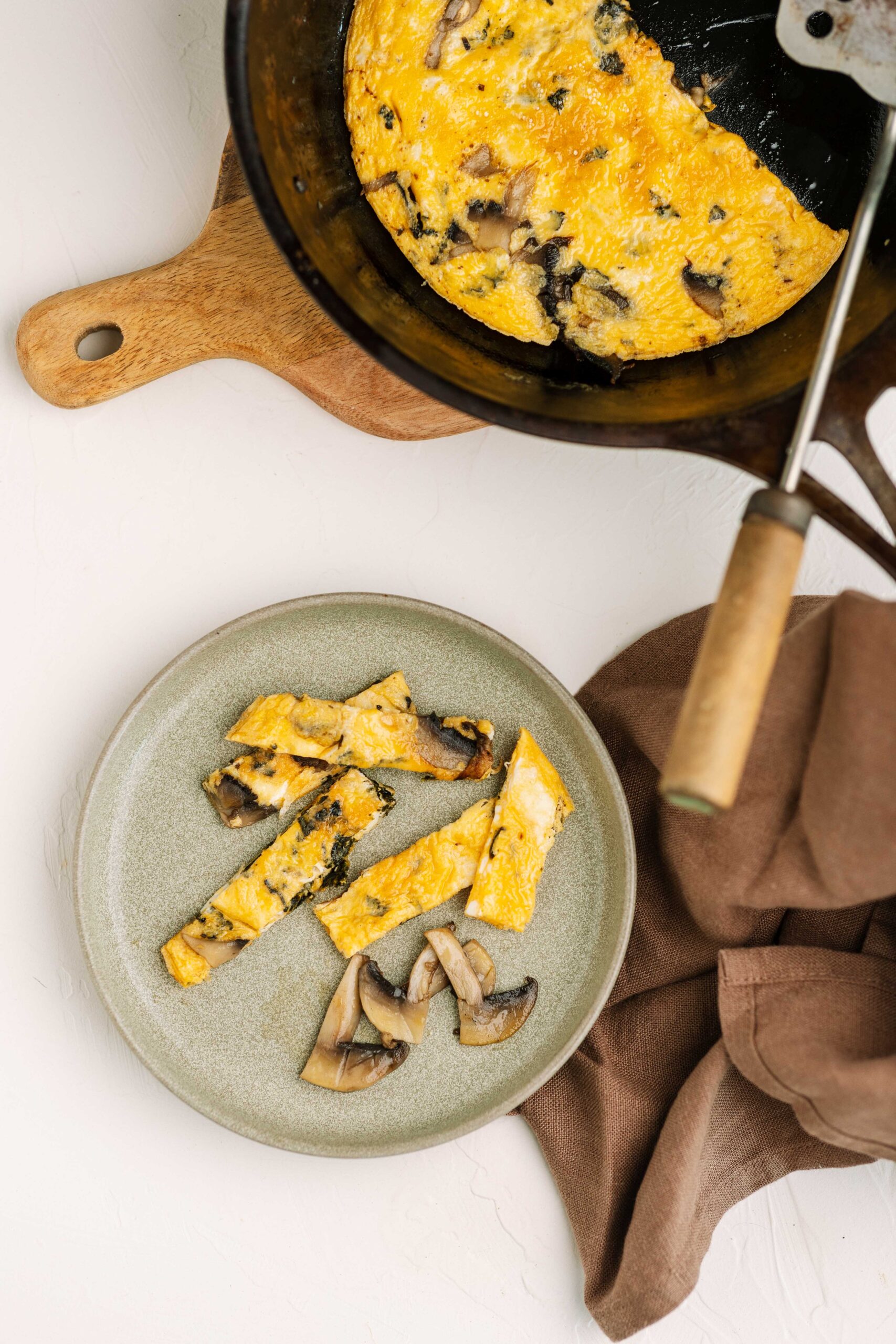
Introducing Allergens to Your Baby
When, How & What to Watch For

Formula
Helping you choose the right one for your baby
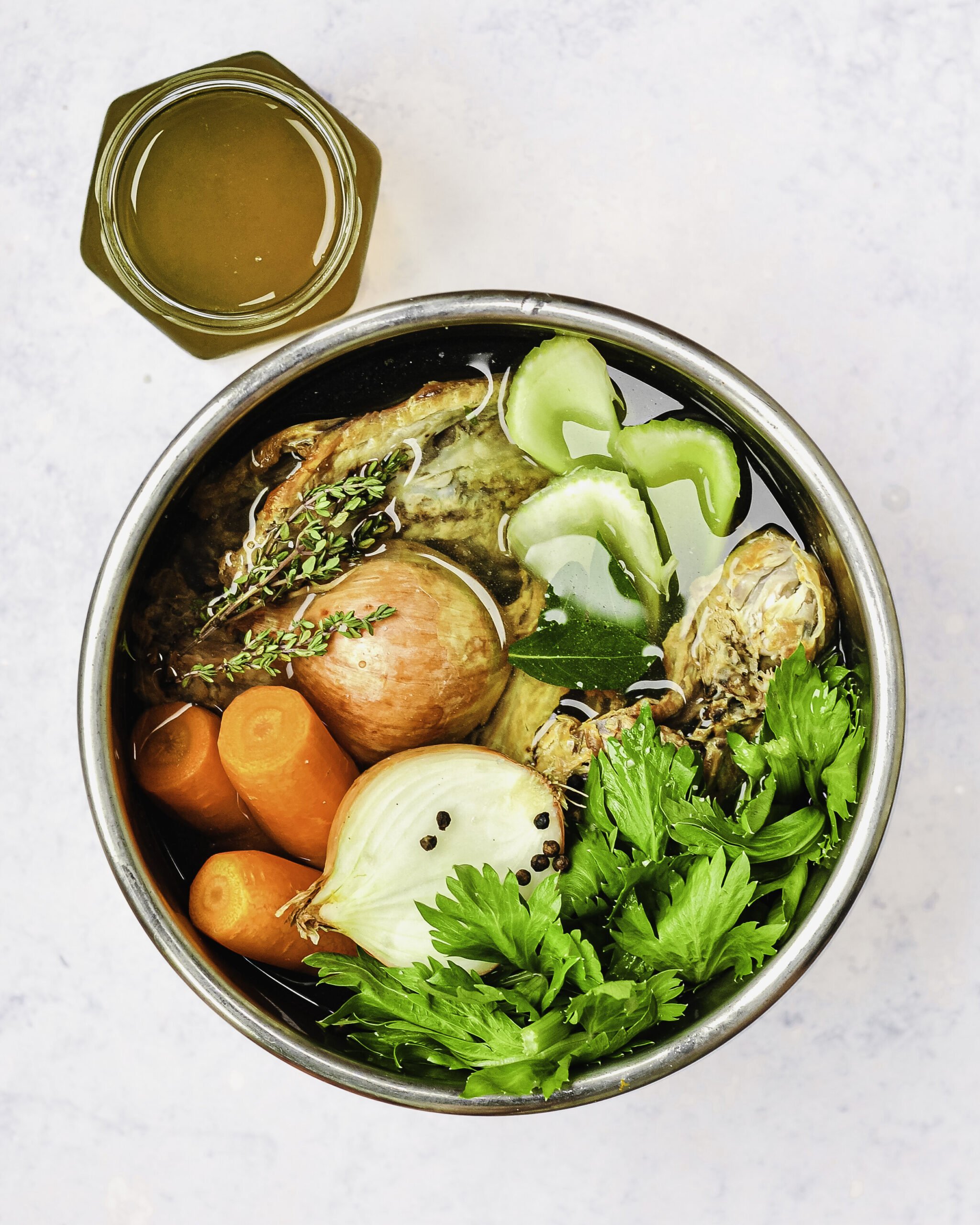
Bone Broth/Meat Stock
Everything you need to know about bone broth

Iron for babies
Why they need it, how much they need, and how to ensure they're getting enough

Morning Sickness
Practical tips to reduce nausea and stay nourished through the first trimester.


Add a comment
Show Comments
0Leave a Comment
Your email address will not be published. Required fields are marked *