

Nitrate-Free Christmas Ham

5 stars

About the recipe

Unlike the vividly pink ham commonly found in stores, this home-cured ham contains nothing but salt, sugar and real herbs and spices, which means it is perfect to share with your baby and the whole family. It’s important to note that the absence of additives such as nitrates, artificial flavours or colour enhancers, means that this ham differs in both appearance and flavour to the smoked leg ham you are familiar with. The art of home curing is slow yet simple. Most importantly, it’s deeply satisfying being able to serve your family a wholesome alternative to commercially processed ham.

If you plan on cooking a ham for Christmas, allow approximately 300g of cooked ham per person (this will likely be less if you are serving the ham alongside other meats).

Nitrate-Free Christmas Ham

Servings: 6 adults
Course: 1 meal a day, 2 meals a day, 3 meals a day, BLW, Family Meals

Ingredients
  

  • 2 kg free range boneless pork leg or sirloin roast
For the brine
  • 3 litres water
  • 1 litre pressed apple juice (not concentrate) – or sub for an extra litre of water
  • 800 grams fine sea salt (20%)
  • 400 grams demerara sugar (10%)
  • 12 juniper berries
  • 1 TBSP black peppercorns crushed
  • 4 bay leaves crushed
  • 4 cloves
For the glaze – optional
  • 1/4 cup maple syrup
  • 1/4 cup coconut sugar or brown sugar
  • 1/2 orange juice and zest
  • 1 TBSP dijon mustard
  • 1/4 tsp cinnamon
  • 1/8 tsp ground allspice or ground clove
  • 1 handful whole cloves optional

Method
 

For the brine
  1. Put all of the ingredients for the brine into a large saucepan, bring to a boil, and leave to cool.
  2. Transfer the brine into a food-grade bucket and chill to 3°C. Weigh your piece of pork and record the weight. Place it in the bucket and submerge it completely in the brine. Use a clean plate or weight to keep it submerged.
  3. Refrigerate for 3 days per kilo. So for a 2kg roast you will need to keep it in the brine for 6 days. Once ready, remove the ham from the cure, wipe it dry with a clean cloth, and place it on a wire rack, uncovered in the fridge for 24 hours. Your ham is now ready to cook.
Cooking your ham
  1. Put your ham in a large cooking pot, cover with cold water and bring to a boil. Remove any foam that comes to the surface.
  2. Reduce the heat to low and simmer very gently until the internal temperature reaches 70°C. This will take anywhere from 1-2 hours depending on the size of your ham.
  3. Remove the ham from the cooking liquid and allow it to cool slightly. The ham is cooked and ready to be eaten, or you can go ahead and glaze it.
To glaze
  1. Preheat the oven to 180°C. Slice/peel the skin off the ham and score the fat in a diamond pattern.
  2. Sit the ham on a rack over a roasting tray that has been lined with baking paper (for ease of cleaning).
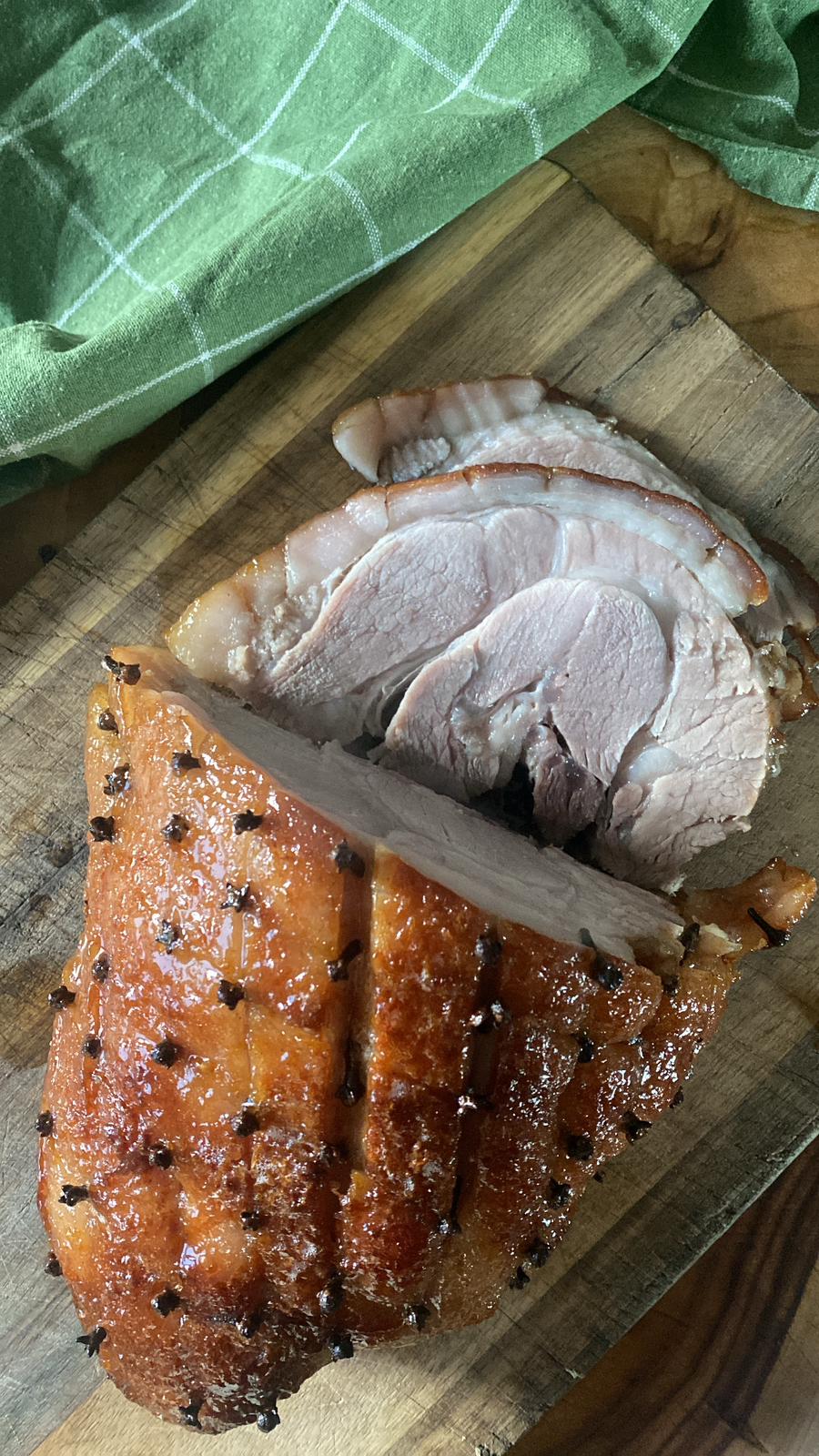
  3. Combine all of the glaze ingredients in a small bowl, then smear it all over the ham. If you wish, insert a clove at the intersection of each diamond.
  4. Bake in the oven for 15 minutes or until caramelised. Baste the ham with any remaining glaze or juices halfway through cooking, and check to make sure it isn’t burning. Cover loosely with foil if it is. Serve hot or at room temperature. 

Notes

Please note that most hams in Australia are already cured and smoked. For this recipe you are purchasing an UNCOOKED pork leg or sirloin roast.
If you do purchase a pre-cooked ham, you can still use this glazing recipe and method.
 
Watch the video here!

Read More

You might also like

Slow-Cooker Roast Chicken

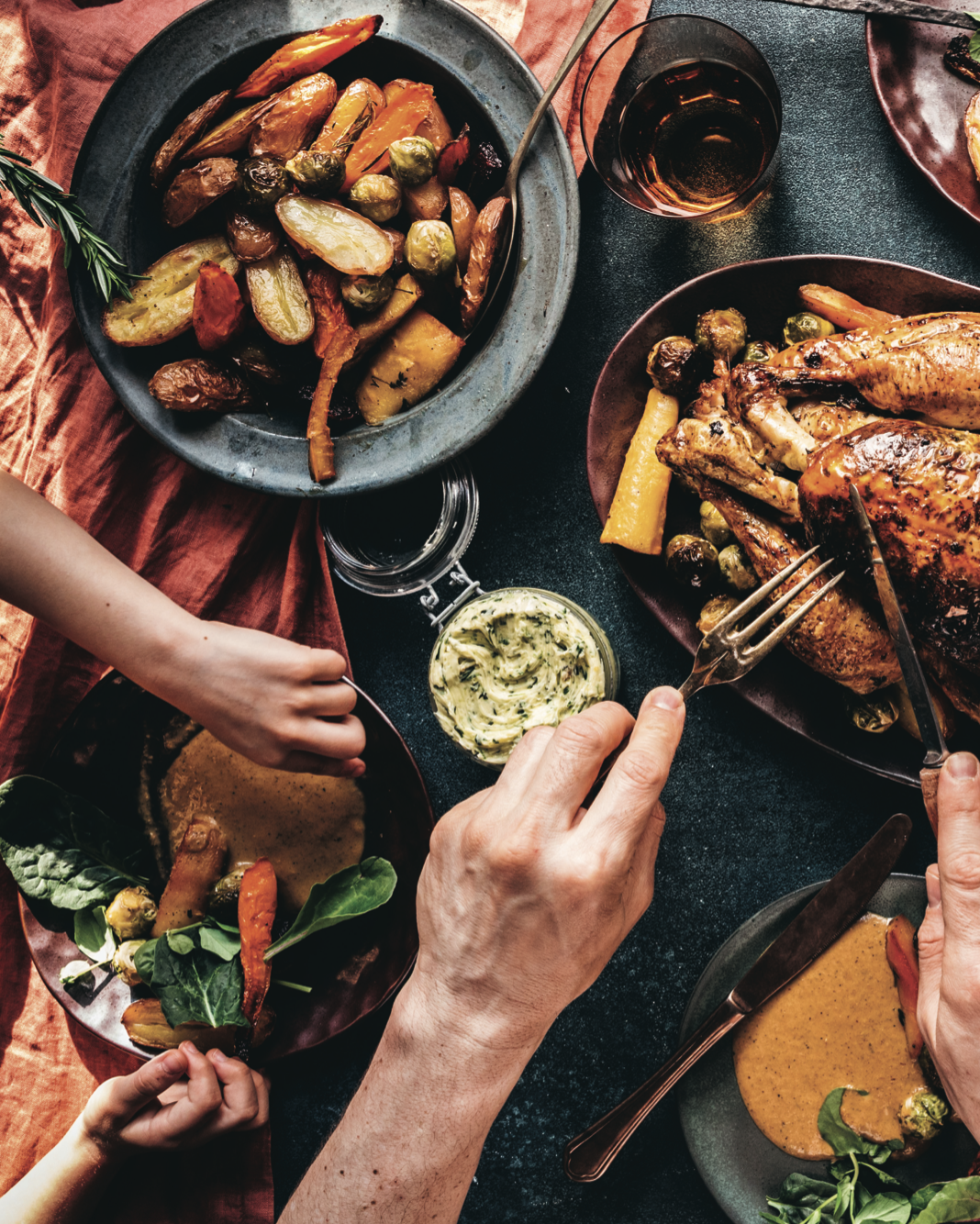
If you’ve got a copy of Toddler to Table, you might recognise this recipe! It’s inspired by our much-loved Lemon Butter Roast Chicken recipe, adapted for the slow cooker to make those busy days even easier. There’s something so comforting about a whole roast chicken, but standing over the oven for hours isn’t always practical. … Continued

Learn more

Leftover Enchiladas

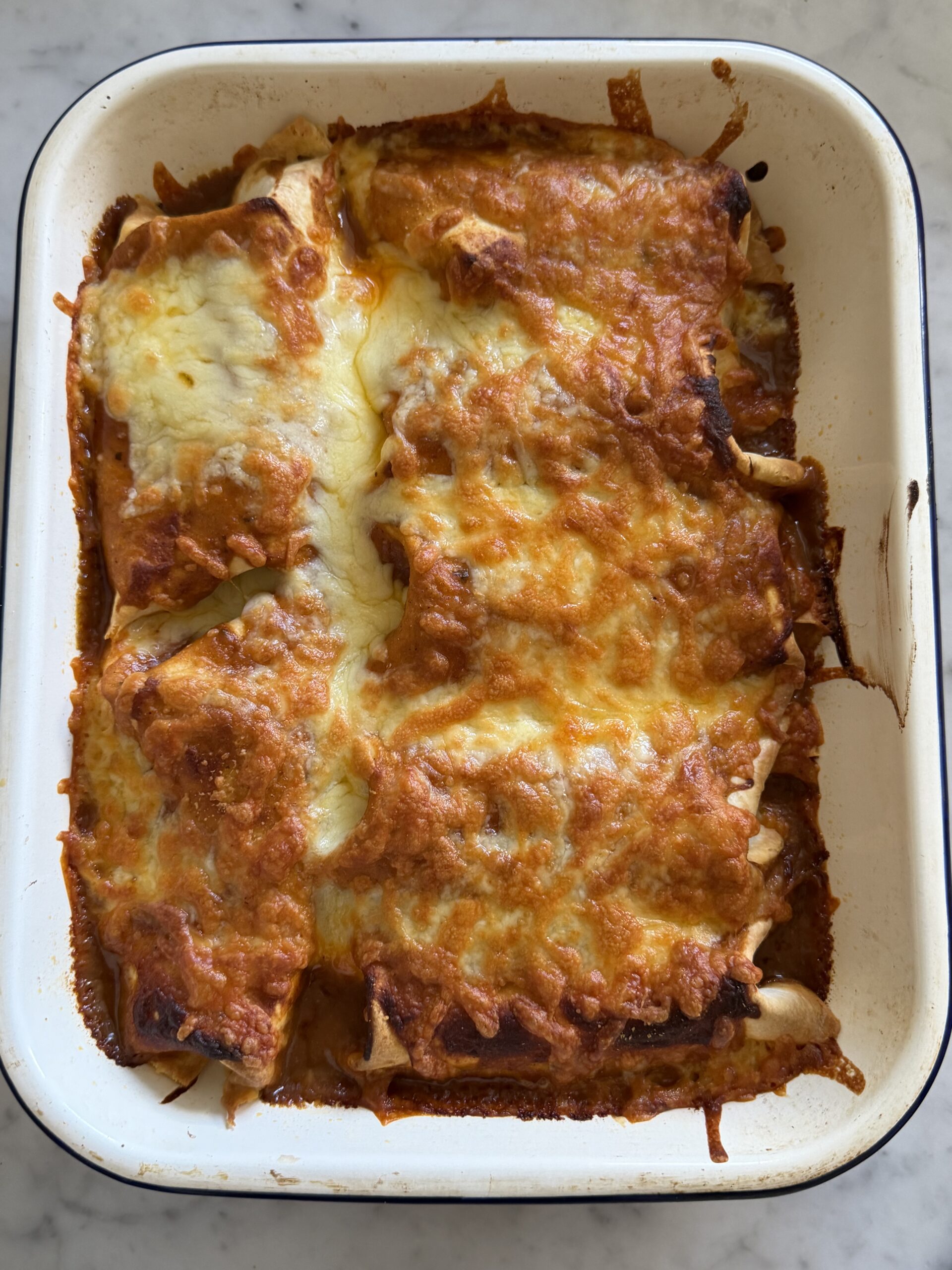
These Leftover Enchiladas are one of our favourite ways to transform slow-cooked meat into an entirely new meal. Soft tortillas are filled with tender shredded meat, black beans, sweet corn and melty cheese, then baked under a rich homemade enchilada sauce until bubbling and golden. They’re comforting, nourishing, freezer-friendly and a brilliant way to stretch … Continued

Learn more

Baby Liver Pate

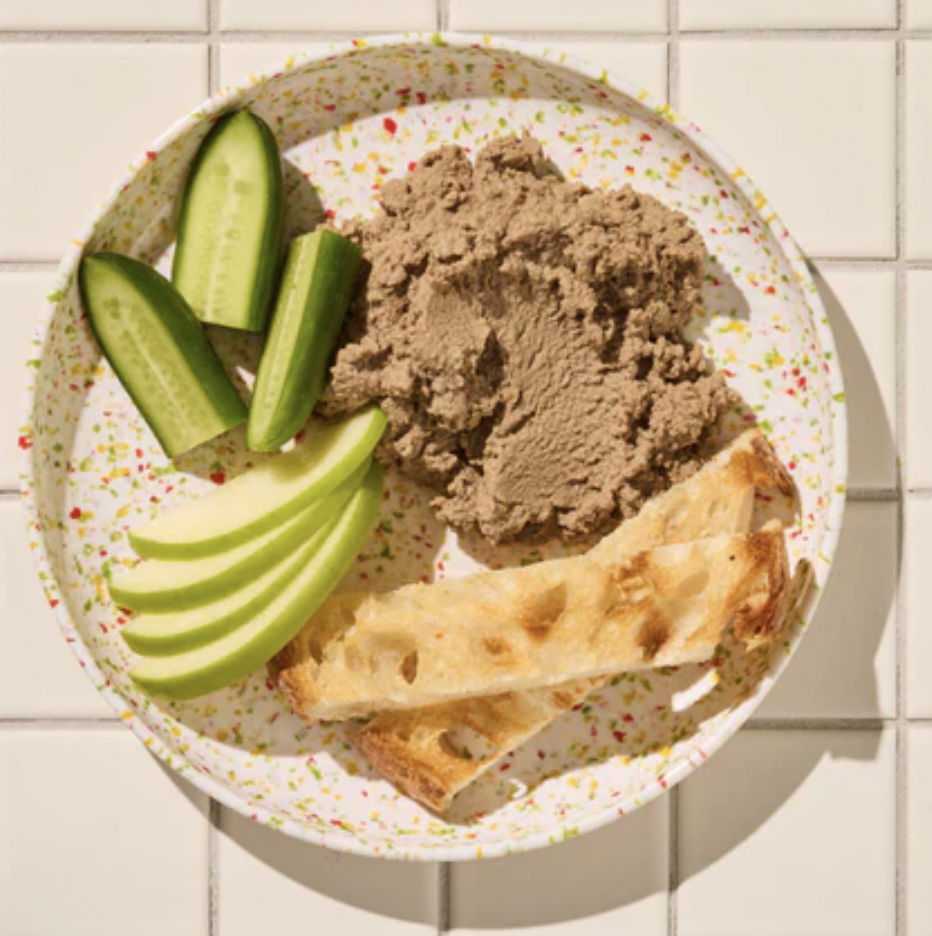
Introducing liver to babies doesn’t have to mean serving chunks of liver on a plate. This silky smooth pate is one of our favourite ways to introduce one of nature’s most nutrient-dense foods in a way that’s gentle, delicious and easy for little ones to enjoy. Chicken liver is one of the richest natural sources … Continued

Learn more

Slow-Cooker Pork Carnitas

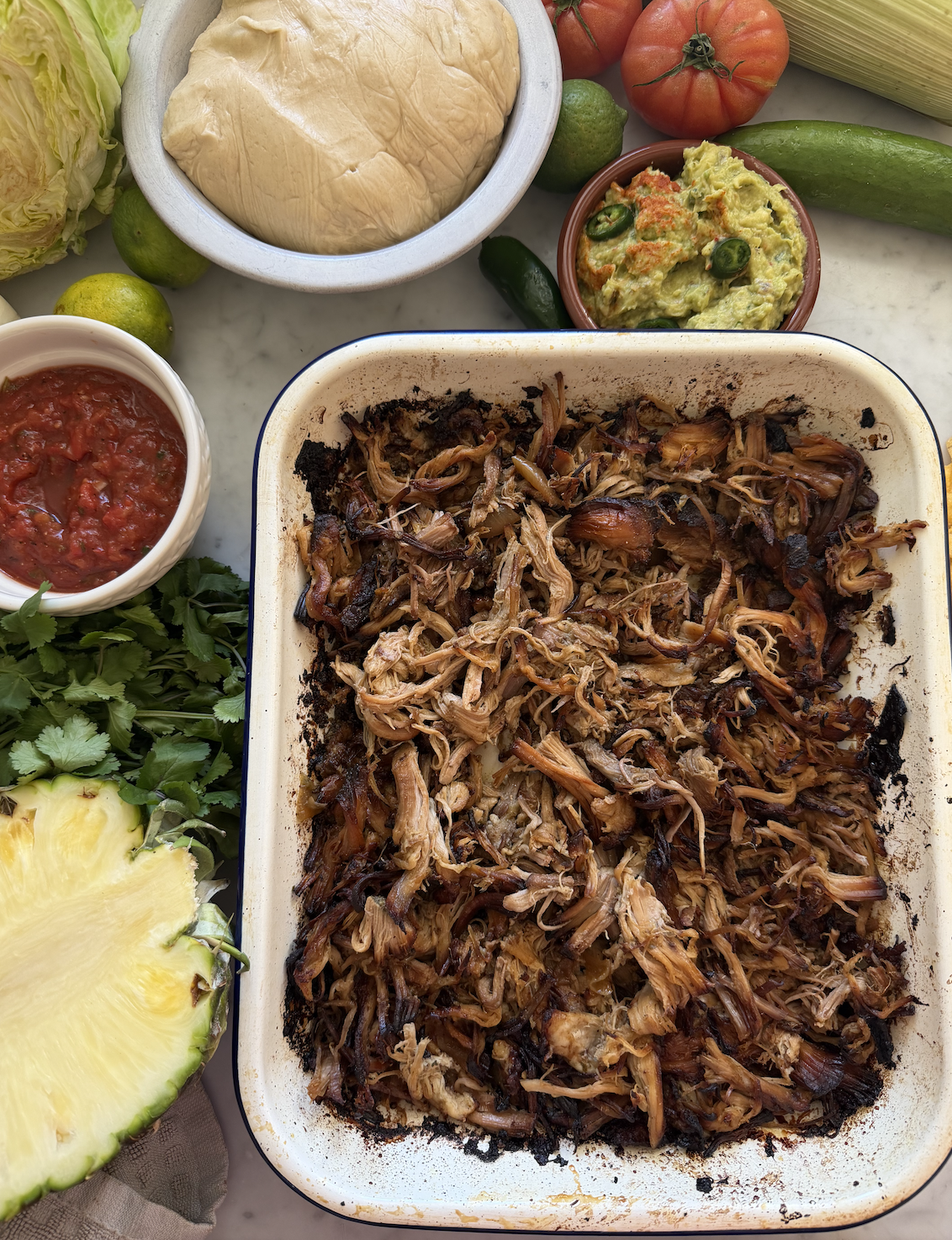
If you’ve ever thought slow cooker meals had to be bland, watery or lacking flavour, this recipe is here to change your mind. These Slow Cooker Pork Carnitas are one of my favourite recipes because they deliver juicy, fall-apart pork with crispy, caramelised edges that taste like they’ve come straight from your favourite Mexican restaurant. … Continued

Learn more

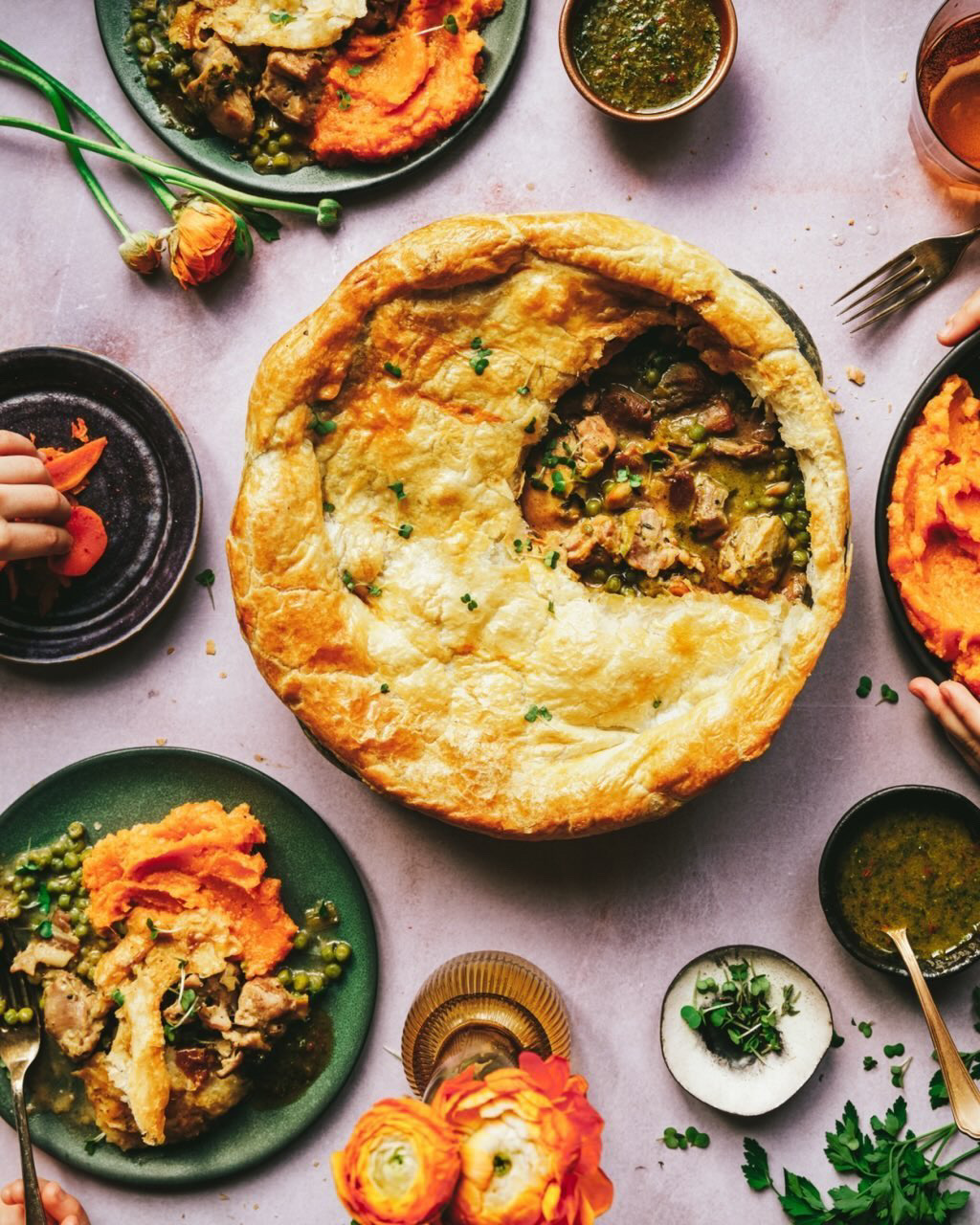
Slow-Cooker Chicken, Bacon & Leek Pie

This recipe is adapted from one of our most-loved recipes in Toddler to Table. The original version comes together much more quickly on the stovetop, but I wanted to create a slow cooker version for those busy days when you want dinner to cook itself. As part of my slow cooker series, I’m on a mission … Continued

Learn more

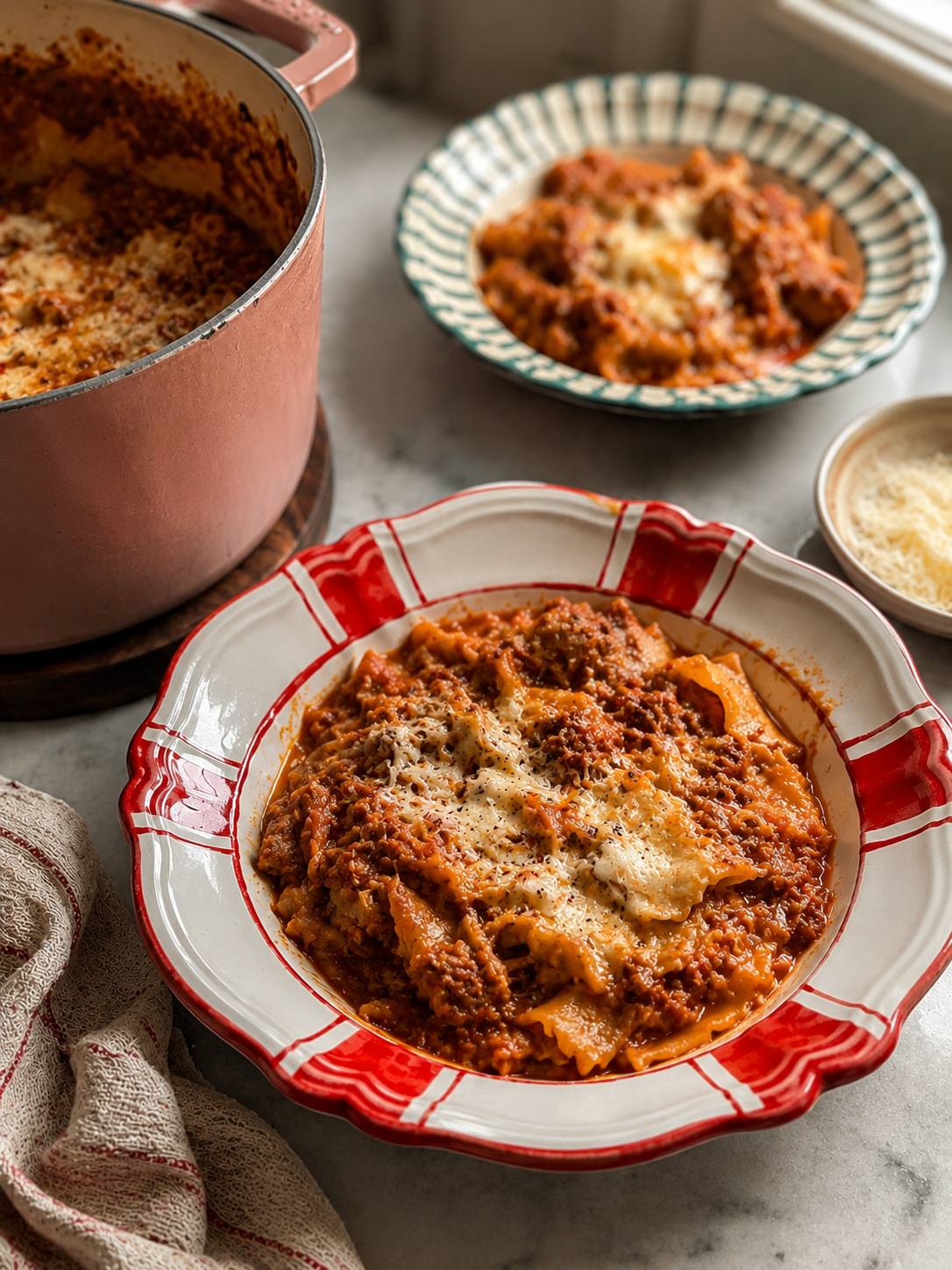
Lasagne Soup

This is one of those meals that tastes like you spent hours cooking… but really it’s just a throw-everything-in-a-pot situation. It has all the cosy flavours of lasagne without the layering, baking or dishwashing marathon. Rich tomatoey broth, tender pasta, hearty mince and creamy cheese on top… honestly the ultimate comfort food. I also love … Continued

Learn more

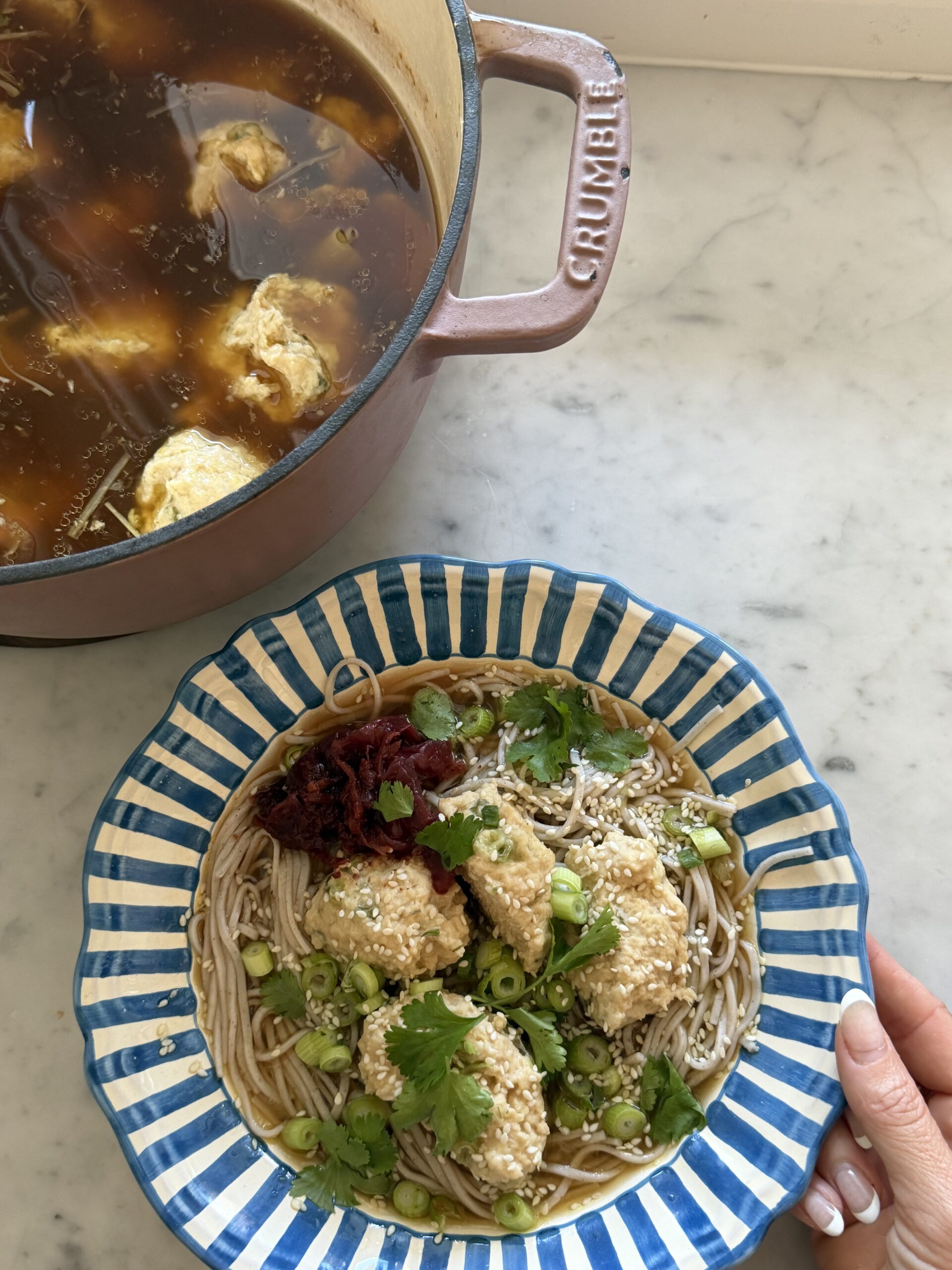
Chicken Meatballs in a Gingery Broth

This is one of those meals that feels a little bit special, but is actually so simple to make. The meatballs are soft and full of flavour, and cooking them directly in the broth not only keeps them incredibly juicy, but also adds so much depth to the soup itself. It’s the kind of dinner … Continued

Learn more

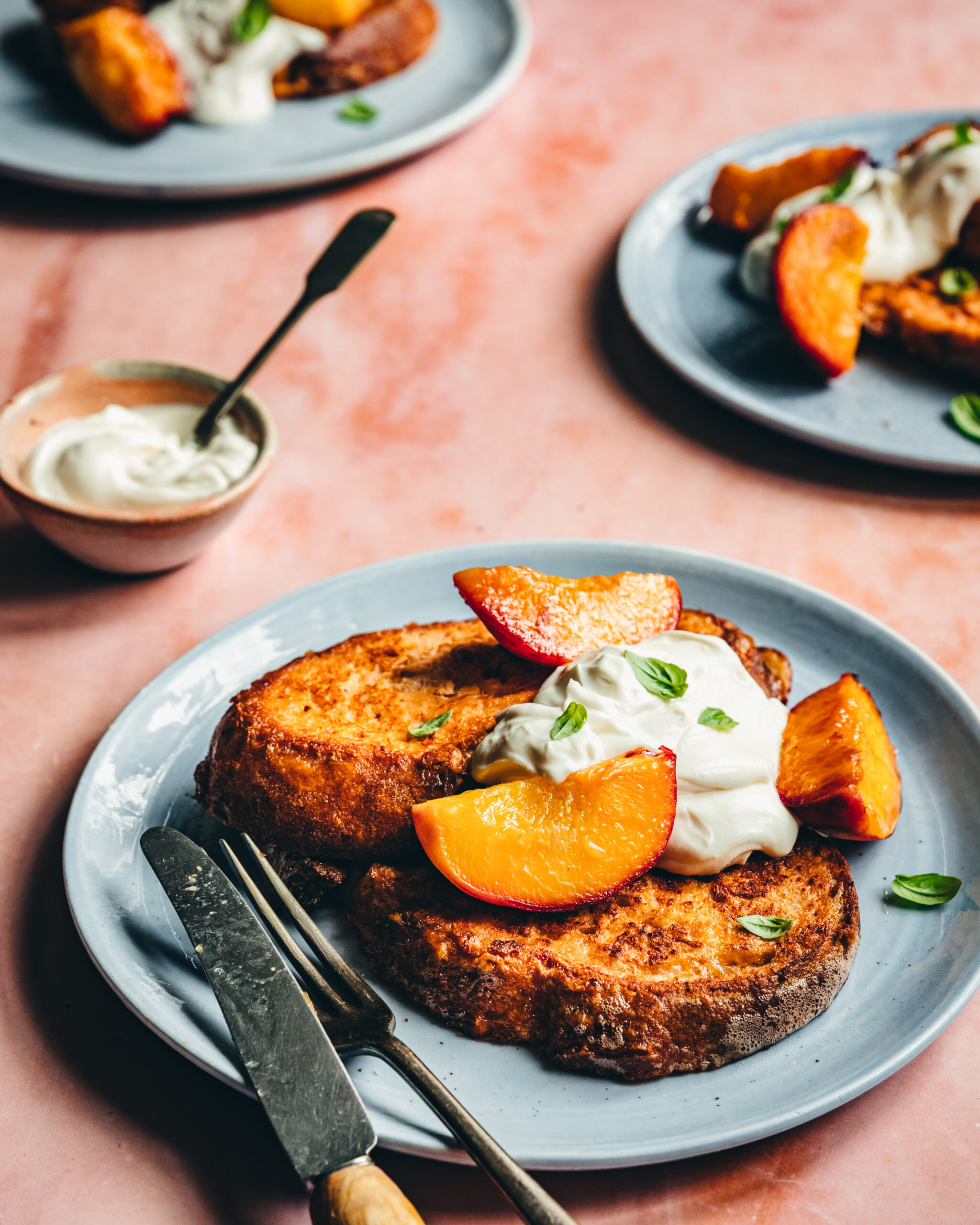
French Toast

There’s something so comforting about French toast, especially when it becomes one of those go-to meals you can rely on for everyone in the family. This version, from our book Toddler to Table, is exactly that. It’s simple, nourishing, and incredibly versatile. Whether you’re feeding a baby just starting solids, a busy toddler, or yourself … Continued

Learn more
0