
Postpartum Health
Symptoms, Testing and How We Can Help
Contents
Back in stock
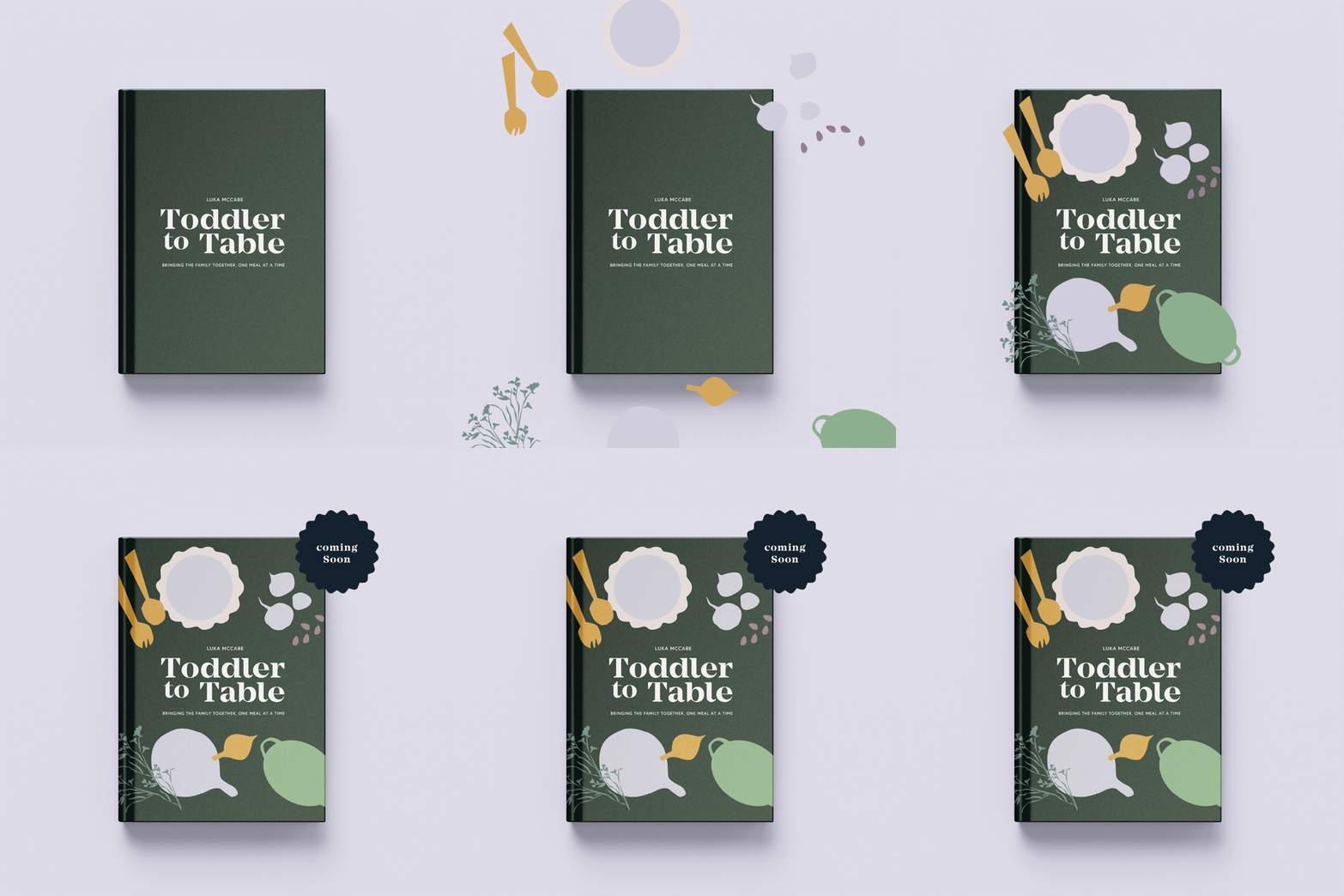
Toddler to Table now back in stock!
Your guide to bringing the family together, one meal (and delicious recipe) at a time.
Order nowPostpartum recovery isn’t just about navigating sleepless nights and adjusting to life with a newborn – it is also a really important time to pay attention to your health. Many women experience fatigue, low mood, anxiety, hair loss, weight changes and more in the months after giving birth. While it’s easy to dismiss these symptoms as “just life with a baby,” they can often indicate underlying health concerns that deserve attention (or at least things that can be easily rectified with some targeted supplements or dietary tweaks).
Common Postpartum Symptoms
- Fatigue and low energy
- Mood swings, anxiety, or depression
- Hair loss or brittle hair
- Unexplained weight gain or loss
- Digestive issues
- Brain fog and poor concentration
- Low libido and hormonal imbalances
Recommended Blood Testing
Checking in with your GP is essential postpartum. They will do a thorough assessment which can include blood tests. The following blood tests can be helpful to assess health at around 6-8 weeks postpartum:
- Iron Studies
- Vitamin D
- Full Blood Count
- Thyroid Function Tests
Additional tests might be recommended or helpful in certain scenarios or in the setting of certain health conditions or pregnancy complications. Some examples include:
- Blood sugar/ insulin testing
- EUC/ LFT
- Vitamin B12
- Thyroid antibody testing
It is frustrating to be told that your results are “normal” when you feel far from it. While a normal result might mean you don’t have a disease, it doesn’t necessarily mean you’re in a state of optimal health. In our clinic, we interpret your results holistically, focusing on patterns and optimal ranges to support your overall well-being; not just the absence of disease.
We Can Help
In our online clinic, we specialise in guiding postpartum women through recovery with personalised care. Whether you’re struggling with specific symptoms or just want to feel your best, we can support you with things like:
- Tailored dietary advice to address nutrient deficiencies (and make it easy for busy mum’s).
- Supplement recommendations where indicated
- Strategies to balance hormones and improve energy
- Referrals for testing (both standard pathology and functional testing where indicated)
How you can support yourself postpartum
While everyone’s busy cooing over the baby, let’s not forget you – the one who just did the equivalent of running a marathon (while making a human). You need some serious TLC, and no, it’s not negotiable. Here’s some other ways to look after yourself during this precious and vulnerable time:
Eat Nourishing Meals
Think hearty soups, slow-cooked casseroles, and snacks you can eat one-handed (because baby). Bonus points for anything warm and comforting – it’s not just about nutrition, it’s about feeling cared for. We have loads of tips and recipes in our book, Nurture the Seed.
Another thing we recommend for new mums is a Meal Train. Send it to family, friends or other people in your community so they can all step in to nourish you. Or if this doesn’t feel right for you, then aim to prep meals before your baby arrives to keep in the freezer. Your future self will appreciate it.
Rest (Yes, Really)
Sleep? Haha, good one. But seriously, rest doesn’t mean you have to sleep. Lie down when you can, let someone else do the dishes, and embrace the art of being horizontal. You absolutely earned it and your body really needs it.
Accept and support your emotions
Your hormones are really all over the place right now, so if you cry because you dropped your toast, you’re normal. Surround yourself with people who lift you up, and be sure to advocate for what you need (or what you don’t need) during this time. And if the tears feel too heavy, reach out. Postpartum mood swings are real, but so is help.
Look After Your Pelvic Floor
Did you know sneezing shouldn’t require a clenched jaw and crossed legs? A women’s health physio can help with that. Seek out a professional in your local area who can support your recovery and ensure that your pelvic floor (and the rest of your body) is on the best path to recovery.
Phone a Friend (or the Village)
Ask for help – whether it’s food, cleaning, or just someone to hold the baby so you can have a shower that’s longer than 43 seconds. You deserve the support and trust us, people really want to help – they just sometimes don’t know how to.
Move…Eventually
When you’re ready, start with gentle movement. We’re talking walking around the block, not smashing a HIIT session. Reconnect with your body in a way that feels good and don’t push yourself to get back to your “pre-baby body”.
Find the Joy (and the Snacks)
Between nappy changes and 2 a.m. feeds, it’s the little things – like a hot tea, a cuddle with your partner, or actually sitting down to eat with two hands – that make a difference. We love the phrase “find your achievable joy” – it might not be girls’ nights or weekends away for now, but make sure you do something that fills your cup even just a little each day.
Postpartum isn’t about being perfect – it’s about adjusting to a new phase of life, accepting where you’re at right now, and soaking up the precious miracle of your baby. And if you feel like you need more support, our online clinic is here for you every step of the way.



Back in stock
Toddler to Table now back in stock!
Your guide to bringing the family together, one meal (and delicious recipe) at a time.
Order now
57 – Sex and intimacy after kids with sexologist Juliet Allen
If you’re like the hundreds of women who asked questions about this topic, then chances are you too are wondering where on earth your libido has gone, if it will ever come back and what sex really looks like after having babies. So we took it straight to expert, because let’s be honest… Luka and … Continued

09 – Post-natal depletion and supporting yourself postpartum with Dr Oscar Serrallach
Feeling flat, anxious, tired, run down or just generally not like yourself since having a baby? Is it just BECAUSE you’ve had a baby? Or could there be something else going on? In today’s episode we speak to the incredible Dr Oscar Serralach about all things postnatal depletion - what’s normal, what’s not and what you can do about it!

A guide to visiting the new mother, that they wish they could tell you themselves.
Dr Oscar Serrallach has a great piece of advice about visiting a new mother which is ‘no visitors, only staff’ - meaning that the only people who should be coming to visit a new mother are those with job to do.

Postnatal Depletion
Hitting sleep deprivation when your baby turns 6 months is HARD, as now that amazing hormone rush of oxytocin and prolactin that gets you through those first few months has really decreased, and dealing with sleep deprivation is now so much harder. Also as a result of her now sleeping shockingly, she was cranky and overtired all day, whingey and not content.
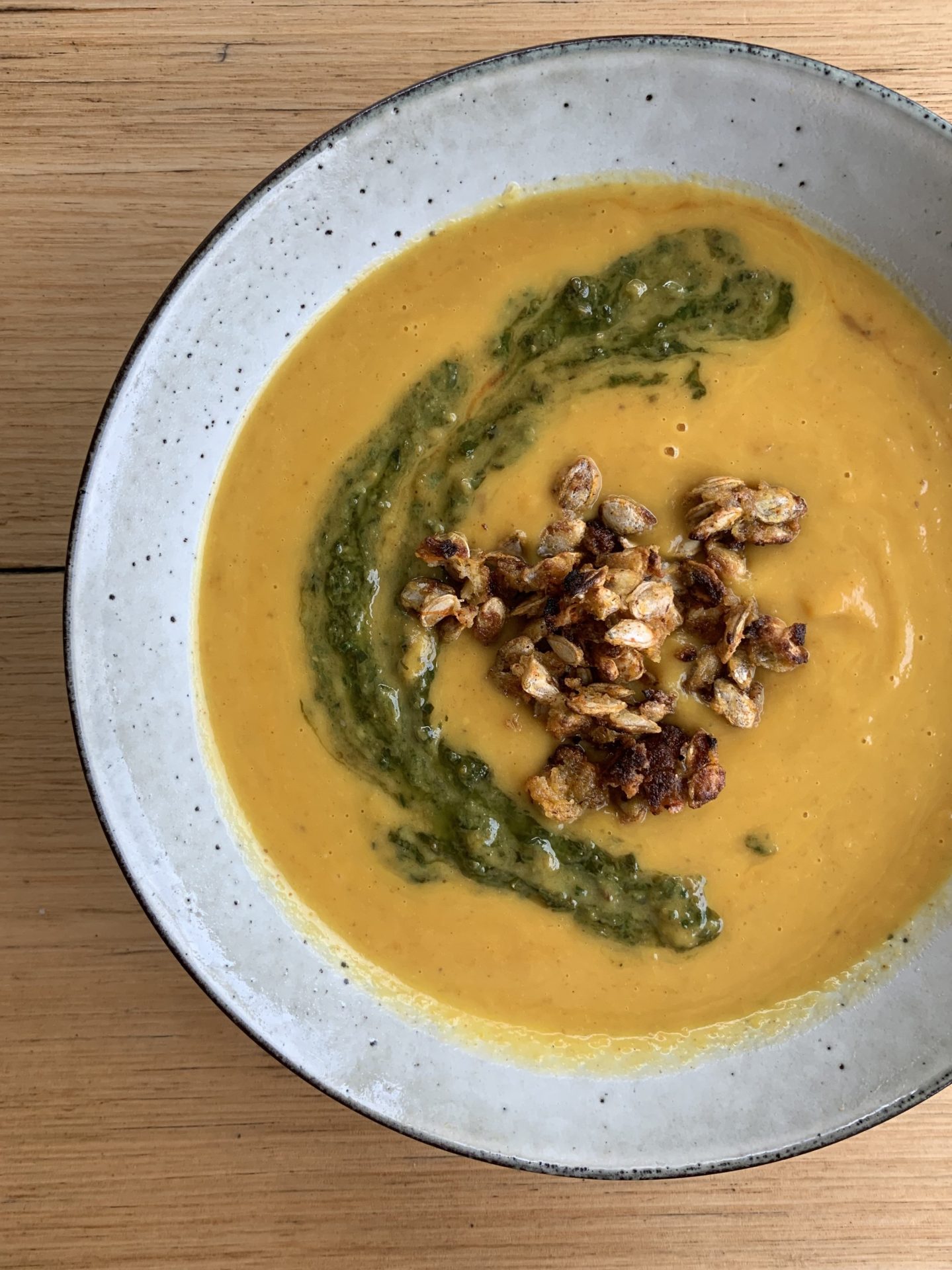
Pumpkin Soup — the perfect postpartum nourishment or baby food
This pumpkin soup is the ultimate postpartum nourishment, and also doubles as a delicious baby food ‘puree’. It is loaded with bone broth which is nutrient dense and a rich source of collagen (great for healing post birth).
Add a comment
Show Comments
0Leave a Comment
Your email address will not be published. Required fields are marked *