


Slow-Cooking 101
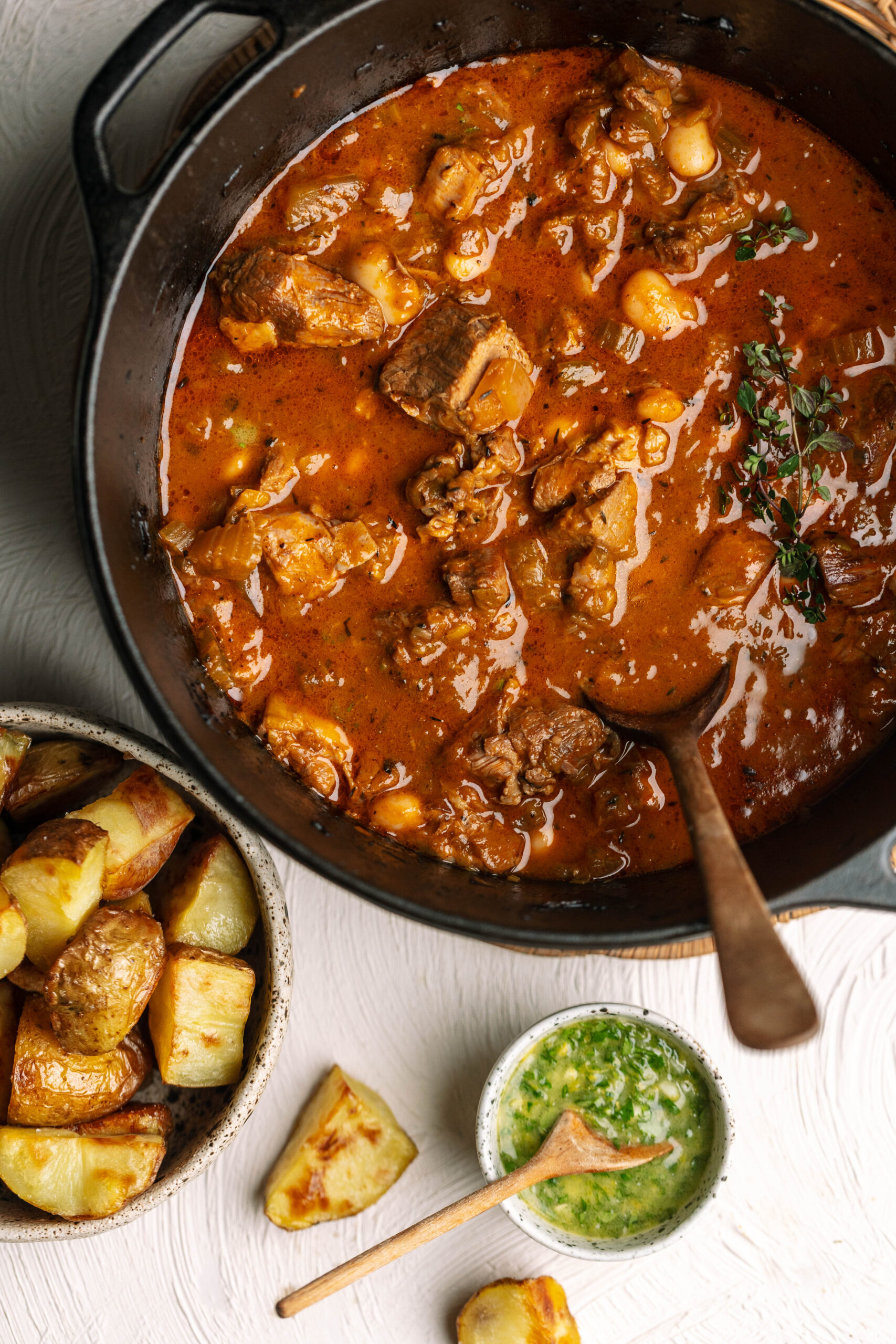
Contents
- Why we love slow cooking
- Why slow cooking is so great for babies
- Choosing the best meat cuts for slow cooking
- Bone-in or boneless?
- Build flavour from the beginning
- Choose herbs that can handle long cooking
- Don't add too much liquid
- What if there's too much liquid?
- Stretch your meals with legumes
- Choose vegetables that suit a long, slow cook
- Do I need to brown the meat first?
- Should I trim the fat?
- Try not to lift the lid
- Freeze the leftovers
- Should I cook on LOW or HIGH?
- Adding cream or dairy
- Finish with something fresh
- Our favourite slow-cooked recipes
- Our favourite slow cookers
- Final thoughts
Back in stock
Toddler to Table now back in stock!
Your guide to bringing the family together, one meal (and delicious recipe) at a time.
Order nowThere’s something incredibly satisfying about throwing a few simple ingredients into a slow cooker, walking away, and coming back to a meal that tastes like you’ve spent hours in the kitchen.
Slow cooking is one of our favourite ways to cook. It’s budget-friendly, requires very little hands-on time and is one of the easiest ways to get nourishing, family-friendly meals on the table. It’s especially great when you have young kids and witching hour is the least conducive time to cook a meal, as they allow you to make the meal in nap-time.
Whether you’re new to slow cooking or simply want to improve your results, here’s everything you need to know.
Why we love slow cooking
Slow cooking isn’t just convenient. It can completely change the way you cook during busy weeks.
We love it because it:
- Saves time on busy weekdays.
- Turns affordable cuts of meat into incredibly tender meals that are rich in collagen.
- Makes batch cooking easy.
- Often creates enough for leftovers or freezer meals.
- Is a simple way to cook from scratch with minimal effort.
- Makes it easy to create family meals that everyone, including babies, can enjoy.
Why slow cooking is so great for babies
One of our favourite things about slow cooking is how naturally baby-friendly it is.
Long, slow cooking creates meat that is incredibly soft and tender, making it ideal for babies learning to eat.
Many slow-cooked meals are naturally suitable for baby-led weaning because the meat shreds easily and vegetables become beautifully soft.
Bone-in cuts also create a naturally collagen-rich cooking liquid that adds flavour and nutrition to the meal.
Choosing the best meat cuts for slow cooking
One of the biggest mistakes people make is buying expensive cuts of meat.
In reality, the tougher, cheaper cuts are often the best choice.
These cuts contain more connective tissue and collagen. During a long, slow cook, that collagen breaks down into gelatin, creating meat that becomes beautifully tender while also producing a rich, silky sauce.
Lean cuts don’t contain enough connective tissue, so they often dry out before they become tender.
Best beef cuts
Our favourites include:
- Chuck steak
- Brisket
- Gravy beef
- Beef cheeks
- Beef shin (Osso Buco)
- Short ribs
- Blade steak
- Oxtail
Chuck steak is probably our all-round favourite because it’s affordable, forgiving and works beautifully in almost every recipe.
Best lamb cuts
- Lamb shoulder
- Lamb shanks
- Lamb neck
Best pork cuts
- Pork shoulder
- Pork neck
- Pork hock
- Pork ribs
Pork shoulder is perfect for pulled pork because the marbling keeps it juicy while the collagen creates beautifully tender meat.
Best chicken cuts
- Chicken thighs
- Drumsticks
- Chicken Marylands
- Whole chicken
Chicken thighs are our favourite because they’re much more forgiving than chicken breast and stay juicy during long cooking.
Bone-in or boneless?
Whenever possible, choose bone-in cuts.
The bones add incredible flavour to the cooking liquid while naturally increasing the amount of collagen and gelatin in the broth.
That doesn’t mean boneless cuts won’t work – they absolutely do – but bone-in cuts often produce an even richer result.
Build flavour from the beginning
The best slow-cooked meals don’t rely on fancy ingredients.
Instead, they start with a simple flavour base.
Our go-to combination is:
- Onion or Leek
- Carrot
- Celery
- Garlic
As these vegetables slowly cook, they soften, sweeten and become the foundation of an incredibly rich sauce.
Adding tomato paste at the beginning also helps build depth of flavour, especially in beef and lamb dishes.
For extra flavour brown off these veggies first!
Choose herbs that can handle long cooking
Some herbs become even better with time.
Our favourites include:
- Rosemary
- Thyme
- Sage
- Bay leaves
- Dried oregano
- Dried mixed herbs
Save delicate herbs like parsley, basil and coriander until just before serving so they stay fresh and vibrant.
Don’t add too much liquid
This is probably the biggest slow-cooking mistake we see.
Unlike cooking on the stovetop, very little liquid evaporates from a slow cooker.
As the meat and vegetables cook, they also release their own moisture.
That means you usually need far less stock/broth or water than you think.
If you’re converting a stovetop recipe for the slow cooker, you’ll often need to reduce the liquid.
What if there’s too much liquid?
Don’t panic.
There are several easy ways to thicken your sauce:
- Remove the lid for the final 30-60 minutes of cooking if your slow cooker allows.
- Transfer the cooking liquid to a saucepan and simmer until reduced.
- If your slow cooker has a Sauté or Reduction function, use it after cooking to reduce the liquid.
- If needed, stir through a cornflour slurry as a final option.
Often, simply reducing the liquid slightly creates a much richer, more concentrated sauce.
Stretch your meals with legumes
One of our favourite ways to make slow-cooked meals go further is by adding beans or lentils.
They add fibre, plant protein and help stretch the meal without needing more meat.
Great options include:
- Cannellini beans
- Butter beans
- Chickpeas
- Whole lentils
For the best texture, stir canned beans or cooked lentils through during the final 20-30 minutes of cooking so they warm through without becoming mushy.
If you prefer using dried beans or chickpeas, cook them fully before adding them to your slow cooker. Slow cookers aren’t designed to safely cook dried legumes from raw, and some varieties – particularly kidney beans – contain naturally occurring compounds that are only destroyed by boiling.
Dried red lentils are a little different. They naturally break down as they cook, making them perfect for adding at the beginning of soups, curries and casseroles, where they’ll dissolve into the sauce and help thicken it.
Choose vegetables that suit a long, slow cook
Slow cooking isn’t just for meat. It’s also a fantastic way to use up vegetables, creating rich, flavour-packed meals with very little effort.
Root vegetables like carrots, potatoes, sweet potato, pumpkin and parsnip become beautifully tender while holding their shape, making them perfect for casseroles and stews. Onions, celery and garlic slowly melt into the sauce, creating the flavour base of the dish.
More delicate vegetables, such as broccoli, green beans, peas and leafy greens, are best added towards the end of cooking so they retain their texture and colour.
One of our favourite tips is to buy imperfect vegetables for slow cooking. Since they’ll soften and cook down over several hours, there’s no need for perfectly shaped produce. It’s a simple way to save money and help reduce food waste.
Layering ingredients
Place root vegetables on the bottom, followed by the meat and then the cooking liquid. The bottom of the slow cooker is closest to the heat, helping the vegetables cook evenly.
Do I need to brown the meat first?
Not necessarily.
Browning the meat adds another layer of flavour through caramelisation, but it isn’t essential.
If you’re short on time, don’t let skipping this step stop you from making the meal.
Slow cooking is meant to make life easier.
Should I trim the fat?
Leave some fat on your meat, as it adds flavour and helps keep the meat juicy during cooking. Very thick layers of external fat can be trimmed if you prefer, as they won’t fully render in a slow cooker.
Try not to lift the lid
Every time you remove the lid, heat escapes.
This can increase the cooking time and affect how evenly your meal cooks.
As tempting as it is, try to let your slow cooker do its thing.
Freeze the leftovers
One of the biggest benefits of slow cooking is that you’re often making multiple meals at once.
Many slow-cooked meals freeze beautifully, making future dinners even easier.
Freeze leftovers in family-sized portions or smaller portions for quick lunches.
Should I cook on LOW or HIGH?
If you have the time, LOW is usually the best option.
Cooking low and slow gives the connective tissue and collagen more time to break down, resulting in meat that’s more tender and succulent.
HIGH is still a great option when you’re short on time, and many recipes can be successfully cooked either way.
As a general guide:
LOW HIGH 8-10 hours 4-6 hours Best for larger cuts like brisket, lamb shoulder and pork shoulder Great when you’re short on time Often produces the most tender meat Still produces delicious results, but the texture may be slightly firmer The most important thing is making sure the meat is cooked for long enough to become fork-tender. If it still feels tough, it usually just needs more time.
If your meat is still tough after the recommended cooking time, don’t give up. Tough meat in a slow cooker usually means it needs more time, not less. Keep cooking until it easily pulls apart with a fork.
Adding cream or dairy
Cream, coconut cream, yoghurt and coconut milk are usually best stirred through towards the end of cooking to prevent splitting.
Cheese can also be added towards the end once the heat is reduced.
Finish with something fresh
A squeeze of lemon juice, a splash of vinegar or a handful of fresh herbs added just before serving can brighten rich slow-cooked meals and balance the flavours.
Our favourite slow-cooked recipes
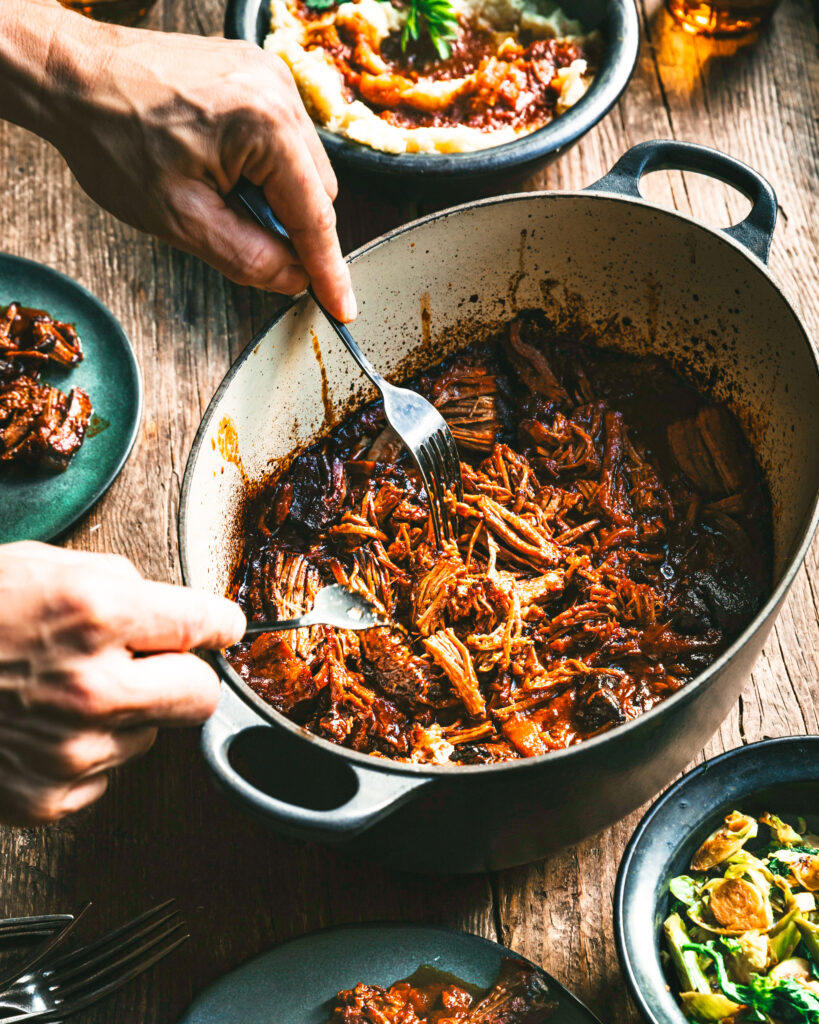
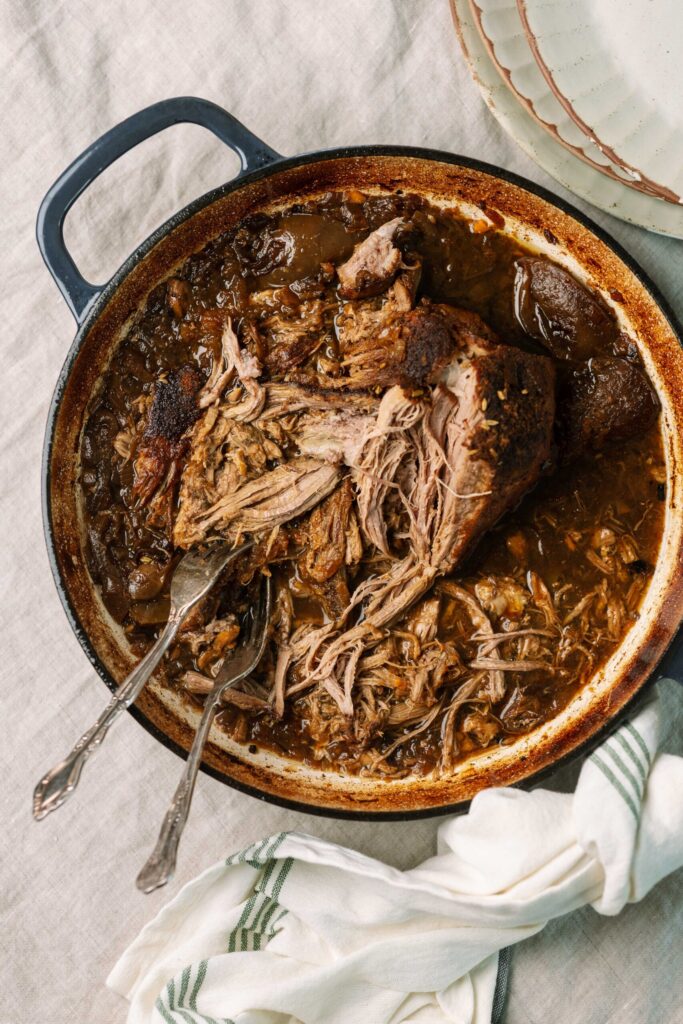
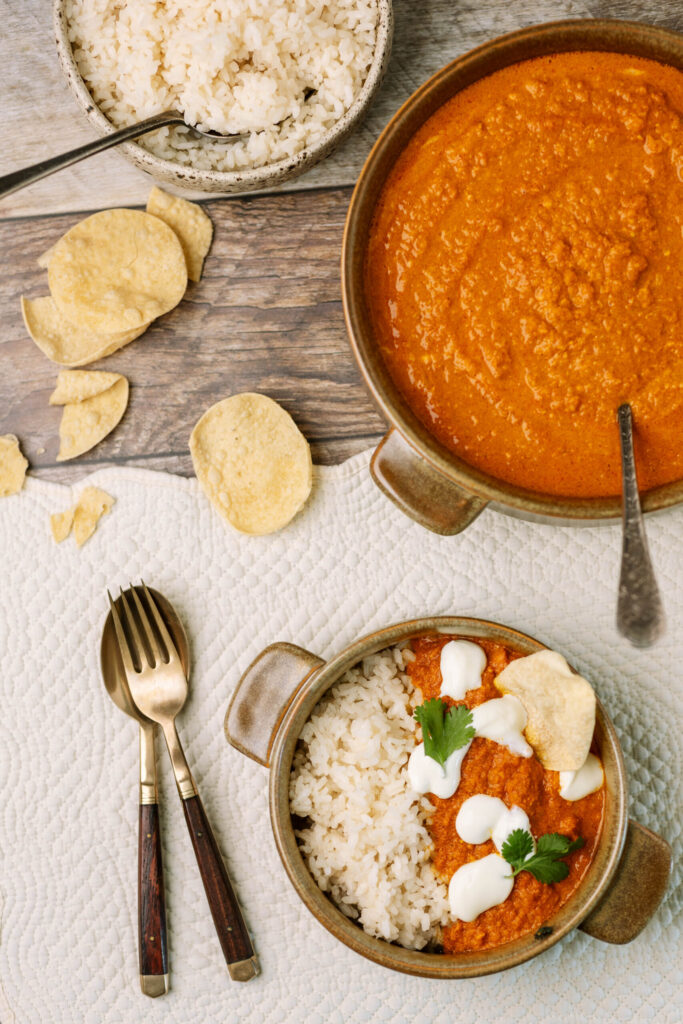
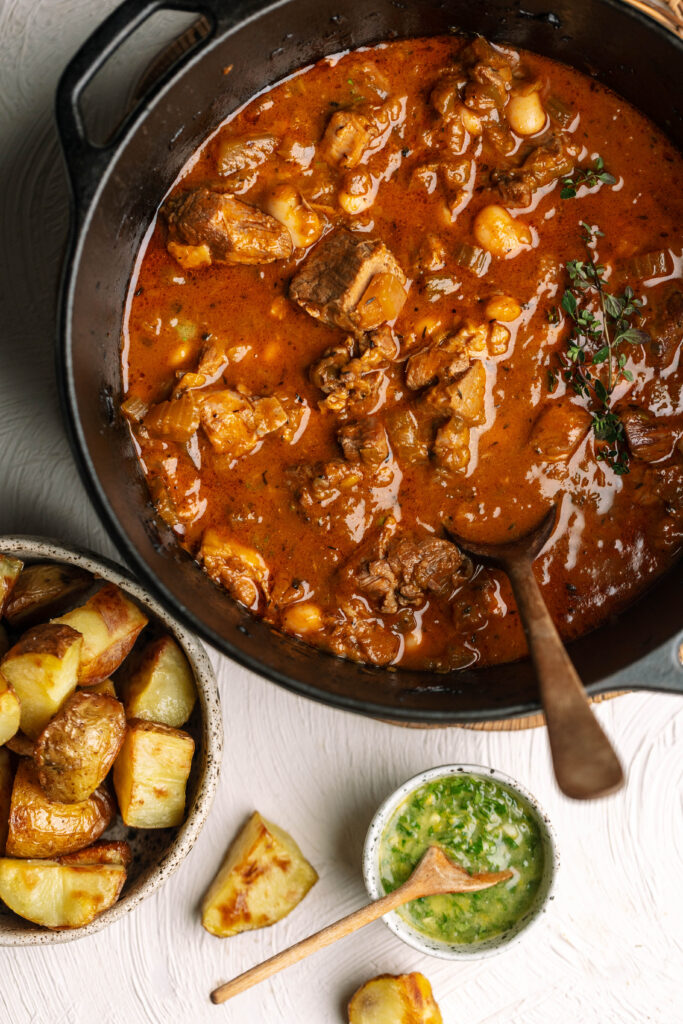
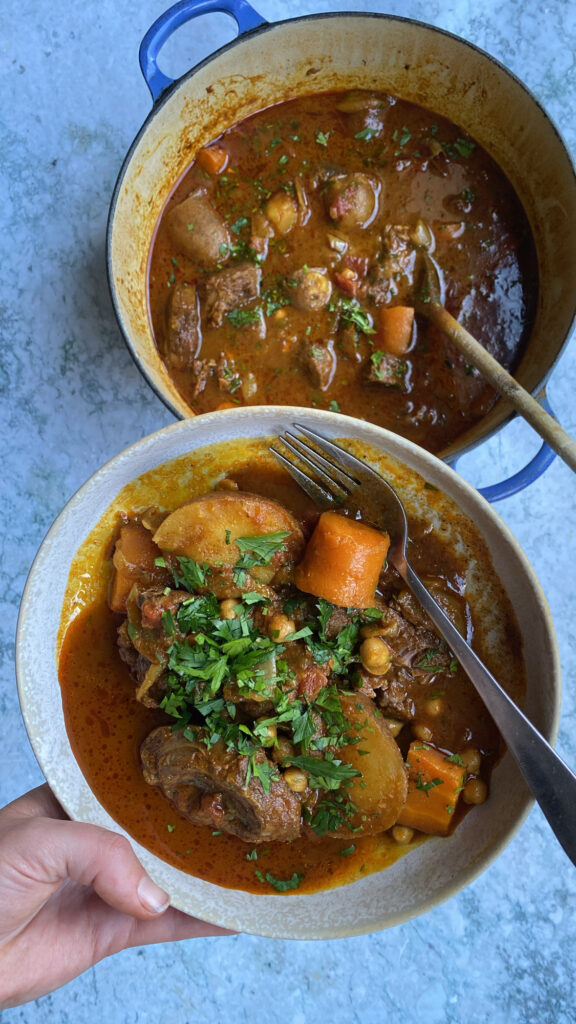
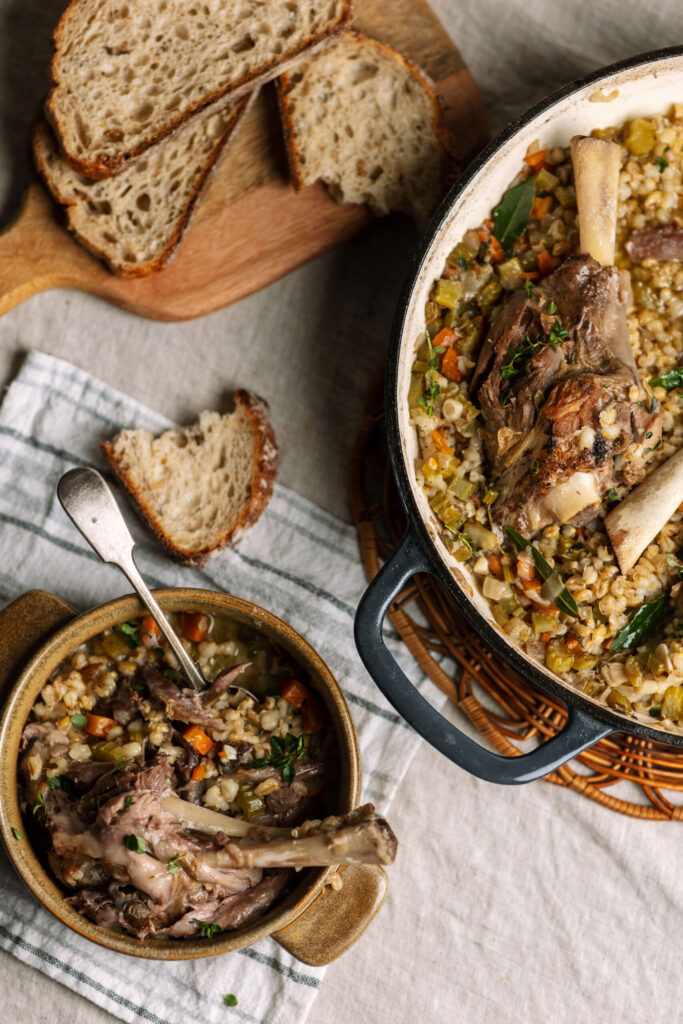
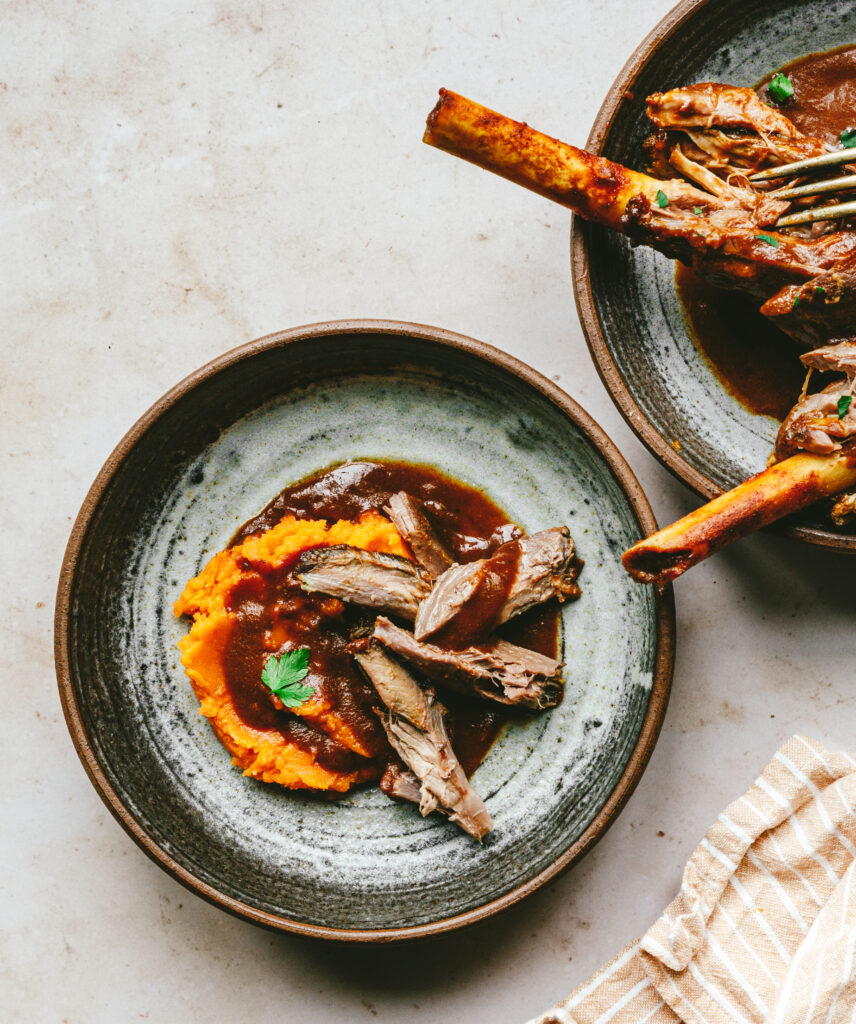
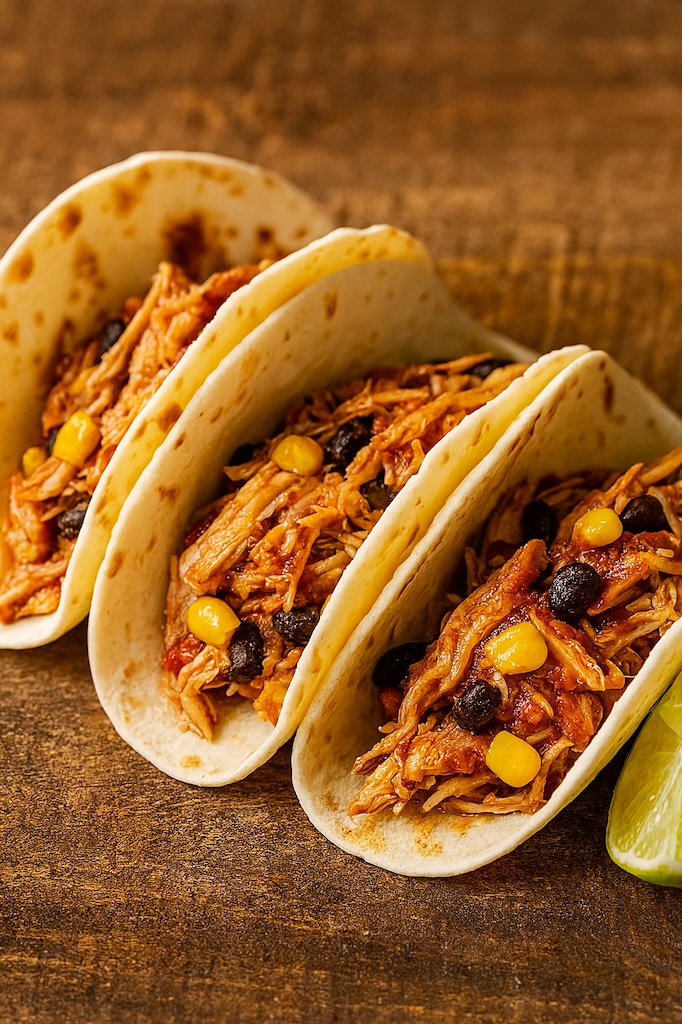
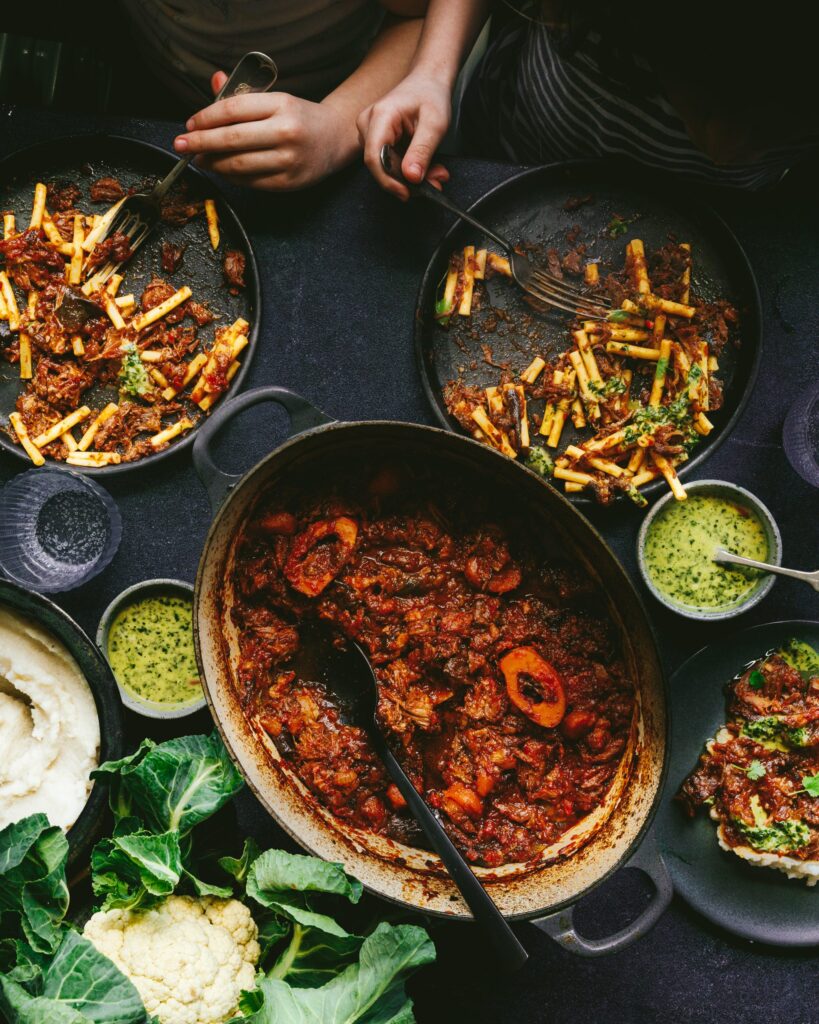
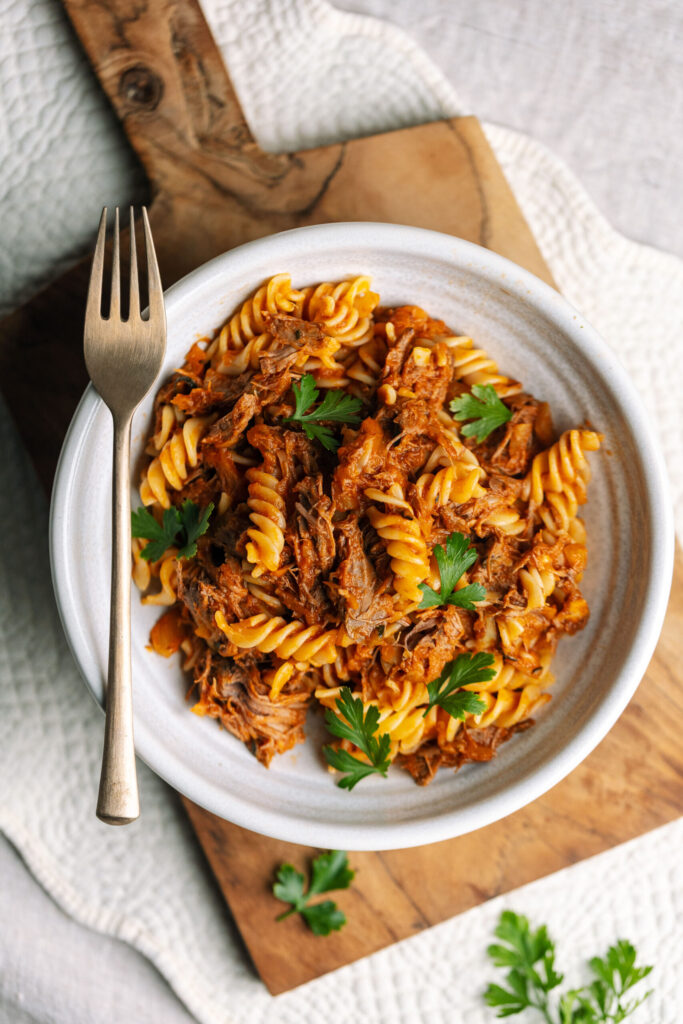
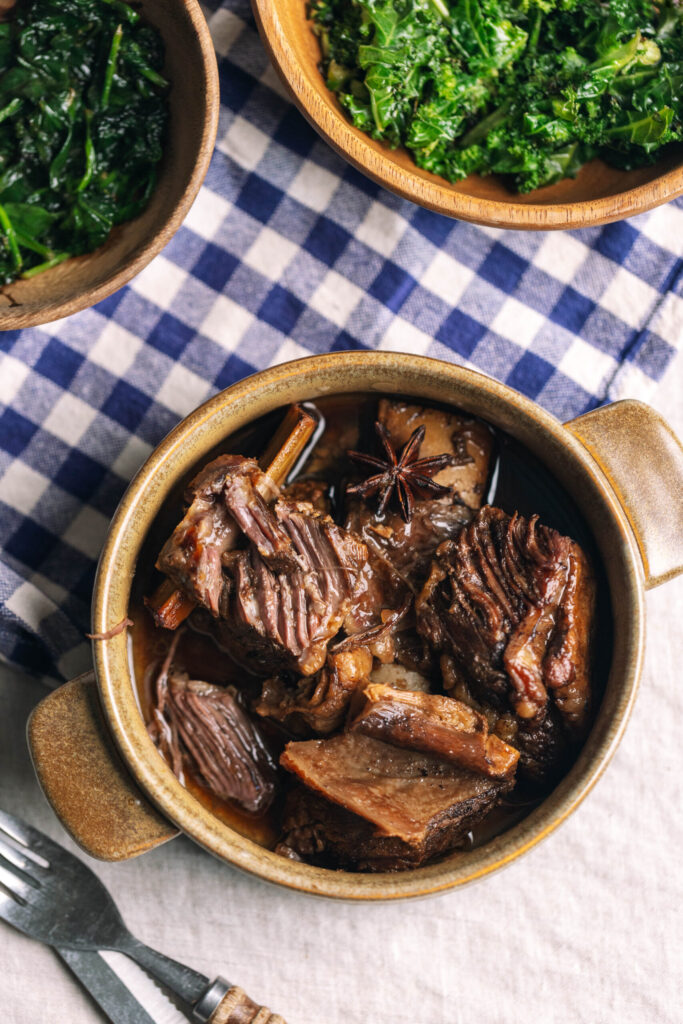
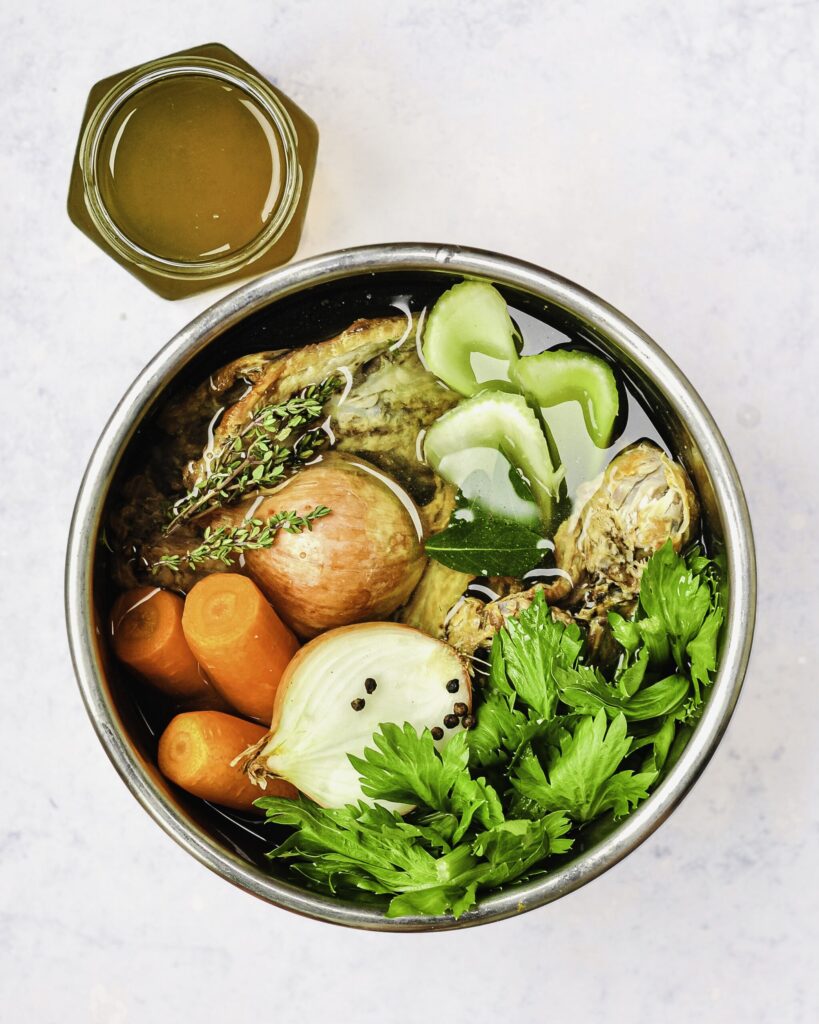
Whether you’re after shredded beef, pulled lamb, nourishing soups or family-friendly curries, we’ve shared plenty of slow cooker recipes over the years.
Browse our favourites below:
Our favourite slow cookers
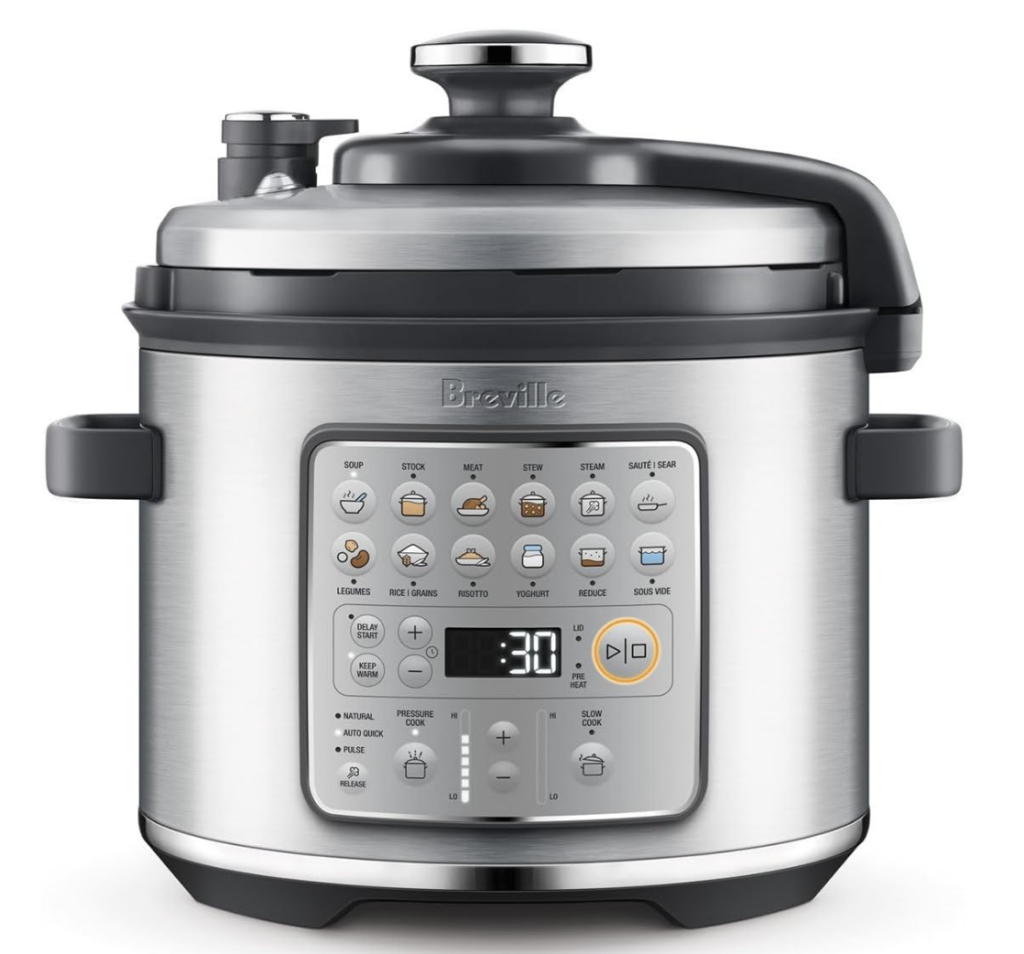
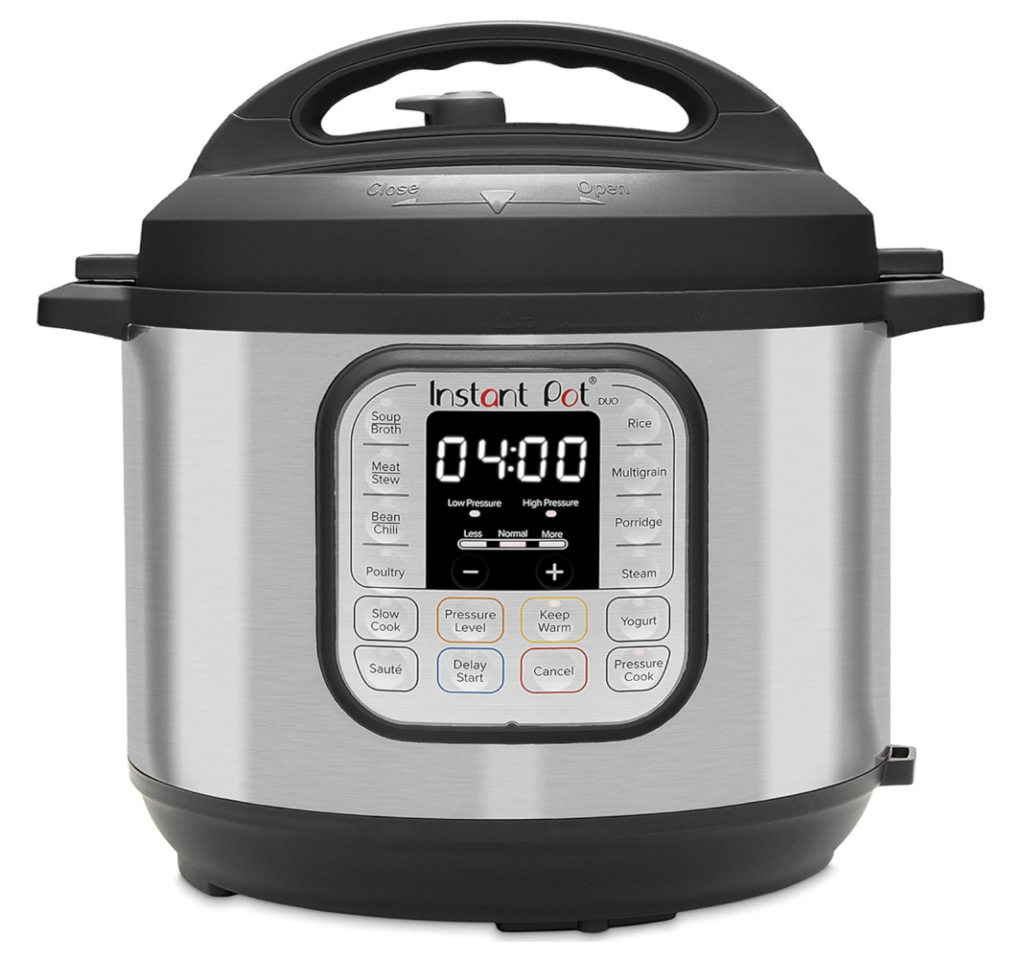
We’ve tested quite a few over the years, and these are the ones we recommend.
When choosing a slow cooker, we generally look for:
- Ceramic or stainless steel inserts
- A removable insert for easy cleaning
- A sauté function (so you can brown meat or reduce sauces in the same pot)
- A timer and automatic keep-warm setting
Our favourites:
The best slow cooker is the one you’ll actually use. While certain features can be helpful, you don’t need an expensive appliance to make delicious slow-cooked meals.
Final thoughts
Slow cooking isn’t just about convenience.
It’s about creating nourishing, affordable meals that work for real family life.
With the right cut of meat, a simple flavour base and a little patience, you can create meals that are rich, comforting and perfect for sharing with the whole family – including your baby.
Whether you’re feeding one person or batch cooking for the week ahead, slow cooking is one of the simplest ways to cook smarter, not harder.
Back in stock
Toddler to Table now back in stock!
Your guide to bringing the family together, one meal (and delicious recipe) at a time.
Order now
The Division of Responsibility
A framework that makes feeding feel calmer and clearer
Introducing Allergens to Your Baby
When, How & What to Watch For

Formula
Helping you choose the right one for your baby
Bone Broth/Meat Stock
Everything you need to know about bone broth
Iron for babies
Why they need it, how much they need, and how to ensure they're getting enough

Morning Sickness
Practical tips to reduce nausea and stay nourished through the first trimester.


Add a comment
Show Comments
0Leave a Comment
Your email address will not be published. Required fields are marked *