


Bone Broth/Meat Stock
Everything you need to know about bone broth
Contents
- What are the benefits?
- When can I start my baby on bone broth?
- Does it need to be a plain bone broth for their first food?
- What animal bones are best to use?
- RECIPE: CHICKEN BONE BROTH
- Whats the difference between a meat stock and a bone broth?
- Is bone broth high in histamine?
- I am time poor – can I just buy a ready made broth?
- Some pre-made brands we like:
- Is there such thing as too much broth for baby?
- Why is my bone broth not gelatinous?
- How do I incorporate it into our diet if I don’t want to drink it straight?
- Cooking FAQ:
Back in stock
Toddler to Table now back in stock!
Your guide to bringing the family together, one meal (and delicious recipe) at a time.
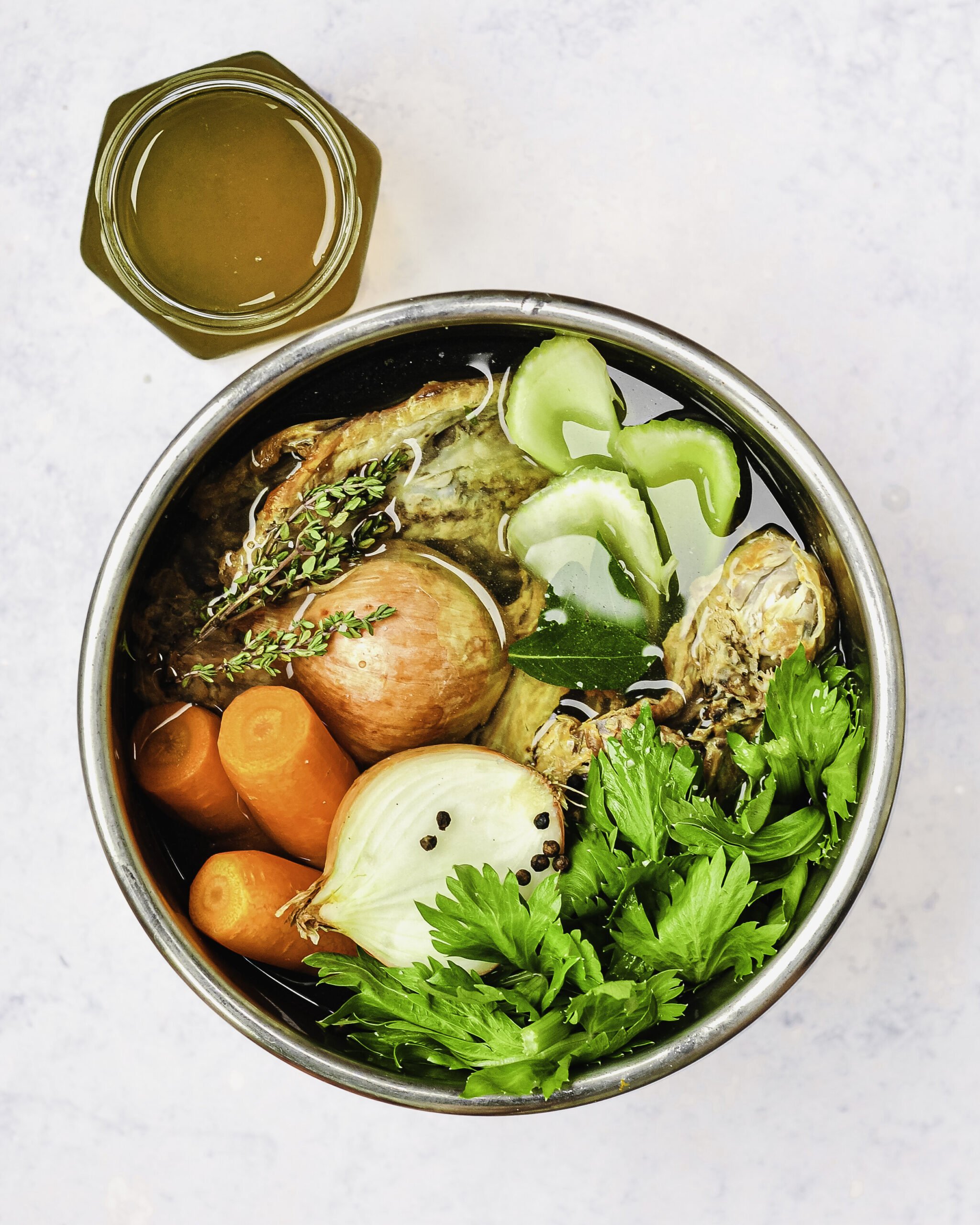
Order nowBone broth/meat stock is a food we promote A LOT for our babies, toddlers and our own health. However it can cause a lot of overwhelm because many people have never made it. Once you make it once, you will realise how easy it is to make and incorporate into your meals – I make bone broth or meat stock once a week, generally as part of my Sunday ritual.
This blog is to answer all of the FAQ I get in regards to bone broth, and hopefully provide some clarification around this food.
What are the benefits?
Bone broth is a traditional and ancient food in nearly every culture, because they are nutrient-dense, easy to digest, rich in flavour and boost healing.
Simmering the bones and ligaments releases healing compounds from the bones such as collagen, glycine, proline and glutamine which are all incredible for gut-health. They act to soothe, seal, heal and repair the gut wall, incredible for anyone with digestive issues and babies who are developing their delicate digestive system.
While there’s limited scientific research directly on bone broth or meat stock, there is research supporting the benefits of:
- Gelatin and collagen
- Glutamine, which supports intestinal lining health
- Minerals like zinc, calcium, magnesium, and iron
When can I start my baby on bone broth?
Bone broth is an incredible first food for a baby – in fact sips of bone broth were my children very first food. Bone broth is incredible to support their digestion and strengthen the intestinal lining, preparing it for solid foods. Then you can use the bone broth to start mixing into puree’s (if spoon feeding) or serve alongside finger foods as a drink (not to replace breastmilk or formula).
Does it need to be a plain bone broth for their first food?
If you can, a very plain version of a broth would be the best to start with – and good news is that is the most simple to make. So bones, apple cider vinegar and water is all you need for your baby’s first broth. Once they have been exposed to some other foods, you can then offer broth as you would have it yourself – with vegetables/herbs/onions etc for flavour. There is no right or wrong age for this!
Should I avoid typical ‘windy’ foods in the broth such as onion/garlic?
No, we don’t recommend avoiding those foods UNLESS you notice a correlation between your baby being windy and eating those foods.
You suggest to use organic/pasture-raised bones – do they have to be?
If possible we would suggest to use organic bones as you are leeching the minerals from the bones, and organic will always be more nutritious. If your local butcher doesn’t stock them – look online. There are many companies that deliver organic meat to your door! However, if you cannot find organic bones, then bones from grass-fed or free-range animals are better than none at all! If you are in Australia I purchase my bones from Ethical Farmers *discount code b2f10 for 10% off your first order over $175!
What animal bones are best to use?
Basically any animal’s bones are suitable to use. We like the taste of chicken broth best which is why we tend to use it the most, but beef, pork and lamb are also great as the bones are easy to find. Personally I find beef is easier to get a gelatinous broth, as the bones contain more gelatin, but you can definitely still achieve this with chicken through using some ‘strange ‘different’ cuts like the necks/feet and wingtips. You can also make seafood stock which is delicious.
Also don’t be afraid to mix and match bones from different animals – for example you might make a roast chicken and then freeze the cooked bones when done, the next night you might make lamb shanks and freeze the bones when done, the next night make osso bucco and freeze the bones etc. Once you have enough bones in the freezer you can use all these bones to make an amazing mixed meat broth.
Bones high in collagen include:
- Chicken bone broth: Chicken feet have a lot of cartilage, but entire chicken carcasses, including the neck, feet and wing tips are perfect for chicken stock and broth.
- Beef bone broth: Use grass-fed beef bones if possible. The best bones to use for beef broth are meaty bones and bones that have a lot of tissue and cartilage or marrow like oxtail, shanks, osso buco, shin bones and knuckles.
- Pork bone broth: For pork broth, ribs and the neck bones work well, as well as cartilage-rich pig’s feet (trotters).
Can the bones used be frozen or should they be cooked or fresh?
You can do either – or mix and match is also fine. For example you might make a roast chicken then use the carcass to make a broth, and then add a kilogram of frozen chicken feet to the same pot! Roasted bones will give a nicer flavour (less ‘bony’)
Why do you add apple-cider vinegar? Is it necessary?
This helps pull out important nutrients from the bones- especially calcium, as it helps the bones break down more.
RECIPE: CHICKEN BONE BROTH
INGREDIENTS:
FOR BABIES FIRST BROTH:
- 500g organic chicken feet. These can sometimes be hard to source so if they are, try use any other gelatinous cuts/mix of them such as wingtips, necks, marrow bones, oxtail.
- 1-2 chicken frames OR one whole chicken
- 2 TBSP apple cider vinegar
FOR FAMILY BROTH ALSO ADD:
- 1 onion roughly chopped
- 6 cloves garlic
- 2 carrots roughly chopped
- 2 stems celery roughly chopped
- ANY other vegetables/scraps you might want to use such as leek, fennel, ginger, herbs, peppercorns
- Pinch of salt
INSTRUCTIONS:
- To a large pot (about 10L) add all your ingredients and top with filtered water until just covered – the pot should be about 3/4 full.
- Place the lid on and bring to the boil, then reduce to a low simmer.
- Take the lid half off and allow to slowly simmer for about 5-6 hours. In this time the broth should reduce by nearly half. You don’t want it to reduce too fast – if it is, it might be simmering too hot and you will need to top up with more water so that you cook for atleast 6 hours. If its too hot, try taking the pot half off the burner so the heat is less.
- Alternatively, you can leave the lid on the entire time, and do a slower cook – approximately 12 hours until the broth has reduced by about 1/3. If you are using a slow cooker, you will need to leave the lid on low heat and cook for 12-24 hours.
- Once the broth is ready – e.g. reduced by about 1/2, or cooked for the 12-24 hours, remove from the heat.
- I remove all the big bones into a bowl then strain the liquid through a fine sieve into a large bowl or saucepan. Allow it to cool a bit so that you can transfer into your chosen containers.
- It is up to you if you transfer straight to the freezer or to the fridge first.
Whats the difference between a meat stock and a bone broth?
Bone broth and meat stock are very similar. The main difference is cooking time:
- Meat stock is simmered for a few hours.
- Bone broth is typically simmered for 12–24 hours (or longer).
- Some meat stock recipes don’t use bones at all.
The longer cooking time of bone broth means:
- More concentrated minerals, especially calcium and magnesium
- Higher collagen and gelatin
- Richer flavour
Is bone broth high in histamine?
Yes – a longer cook time can also increase histamine levels. Keep in mind that many foods are naturally high in histamines – including aged cheese, fermented foods, mackerel and sardines. If histamine is truly a concern, it’s not just bone broth to be mindful of.
This is only relevant if your baby has a histamine intolerance, which is uncommon.
For context, histamine intolerance affects roughly 1% of the population, and only about 20% of those are children.
If your baby experiences signs of digestive discomfort (e.g. reflux, rash, loose stools) after bone broth, pause and assess. Consider booking an appointment with one of our team in our online to support you – they can help explore any sensitivities or intolerances.
I am time poor – can I just buy a ready made broth?
This is a tricky question as typical there are 3 types of ‘pre-made’ bone broth’s on the market – powder, concentrates and liquid versions.
The best of the three for your baby will be the liquid version, as it doesn’t require any salt to preserve the broth. The ingredients are typically the same as what you would make it from at home. I would only recommend a refrigerated version as if it is a shelf stable liquid it is either pasteurised which can reduce the nutrient content or has additives.
Downfalls – the liquid versions are very expensive compared to home-made, and you cannot guarantee how much gelatin/collagen is actually in the broth considering they may have only cooked it for a couple of hours or not used gelatinous cuts of bones. The better the broth the more gelatinous it should be – look for organic/pasture-raised if possible.
In regards to the concentrates and powder versions, these can be great for when time poor, however they are very high in sodium for under 12 months – specifically the concentrates. This is because they use naturally evaporated sea salt to preserve the broth – and for this reason we wouldn’t recommend under 12 months of age UNLESS served as a part of a family meal (eg. one serving of the concentrate in a family meal, not one whole serve in a puree).
Again, it can be hard to know exactly how good the quality of the broth – sometimes the exact ingredients used or the source of ingredients can be very vague, some contain additives such as *natural flavours, yeast extracts, MSG etc.
Some pre-made brands we like:
- I created our own BONE BROTH with Le Puree which you can get individually or as part of our Boob to Food Bundle which is low sodium and convenient small serves that you can keep in the freezer. Use discount code BOOBTOFOOD10
- Undivided Food Co – its shelf stable and low sodium. I get from Part & Parcel (discount code BOOBTOFOOD for first orders over $99).
- Good Bones Bone Broth
- Little Bone Broth Co
- Byron Bay Bone Broth
- Gevity Rx however this one is quite high in sodium so I would recommend after 12 months of age.
Is there such thing as too much broth for baby?
As long as you are not displacing breastmilk/formula (under 12 months) with bone broth, then it is fine to offer broth as a complementary drink and/or mix into their foods. If you notice that baby is drinking so much broth that they are reducing their breastmilk/formula feeds, then you will need to cut down on the bone broth.
Why is my bone broth not gelatinous?
This is probably the question we are asked the most – how do you get that gelatinous consistency of a broth?
When your broth is refrigerated, it will turn from a liquid consistency to a jelly consistency, the more gelatin in the broth the firmer the broth will be! When the broth is warmed up, it will turn into a liquid again. Essentially if your broth isn’t setting like a jelly it is usually one of these reasons:
1: Not using enough gelatinous cuts of bones – this is why with chicken broths we encourage the use of feet/wings/necks etc as the chicken carcass frames don’t tend to have enough gelatin to make a gelatinous broth. Beef broths tend to be easier to make gelatinous as the bones contain more gelatin.
2: Not using enough bones in the broth – theres no right or wrong amount of bones to use, but aim to fill the pot with about 2/3 with bones.
3: Using too much water. You want to add just enough water to cover the bones so they are submerged. The water will then reduce as you cook and you want it to reduce by about 1/2
Is it still good for you if it is not gelatinous?
It is still very good for you definitely, still has all the amazing minerals and nutrients! But the more gelatinous the more gelatin you will be consuming.
How do I incorporate it into our diet if I don’t want to drink it straight?
These are some of our favourite ways to incorporate bone broth in your little ones (and your) diet.
- Bone brothsicles – Bone brothsicle instructions here
- Offer as a complimentary drink (not to displace breastmilk or formula under 12 months)
- Add to a puree Mix it through puree
- Mix through puree then add some gelatin to turn into finger foods. Gut-loving finger food recipe here
- Cook grains in bone broth using the absorption method instead of water. Eg. brothy rice, quinoa, buckwheat.
- Use it to make gravy or into dipping sauces for finger foods.
- Cook babies meat and vegetables in broth.
- Add bone broth ice cubes to smoothies.
- Use as a base for family meals such as curries, soups, stews, beans, casseroles, mince dishes, pasta sauces etc. Eg. Chicken Pasta Soup or these lemony brothy beans
- Mash vegetables such as potato, sweet potato, cauliflower or pumpkin with broth.
- Add to scrambled egg, quiche or frittata to fluff up.
In our books Milk to Meals and Toddler to Table you will find a lot of the recipes incorporate bone broth if you are after more inspiration.
Cooking FAQ:
How do I increase the flavour of the broth?
The broth will be nicer the more flavourful vegetables and herbs you add to it! To add more flavour, try first sauté and caramelise the onions/garlic/carrots/celery and any hard woody herbs such as thyme or rosemary. Pre-cooking the bones is not necessary, but will add more flavour – so you could roast the bones in the oven before adding to the broth pot!
Can you use a slow cooker/pressure cooker?
Yes you can, I haven’t personally used a pressure cooker but apparently they are amazing for broth and bonus – no smell! Slow cookers can definitely be used, however I have found that they don’t reduce as much as don’t go as gelatinous and require a longer cooking time.
How long does it last in the fridge/freezer? How do you store it?
Bone broth will store in the fridge in a sealed container up to 5 days. I tend to keep some of the broth in the fridge for quick use when cooking, and the rest I freeze.
Personally I freeze in either silicone pouches or glass jars (just leave a bit of room for expansion). Bone broth will last in the freezer for up to 6 months.
For babies I find it great to freeze in ice cube trays or silicone trays like these (discount code BTF10)- then once frozen pop them in a freezable container. This makes it easy to use as a thinning liquid for puree etc when you only need a very small amount!
What do I do with the fat on the broth? Can I eat it or does it need removing?
If you set your broth in the fridge before freezing, you may notice a layer of fat solidify on top. This can definitely just be eaten/drunk with the rest of the broth, but if you prefer a less fatty taste, you can scrape the fat off. This fat is incredible to cook with, very heat stable and will add a delicious flavour to your meal!
Do I have to refrigerate the broth first and then freeze or can I put it straight from cooking into the freezer?
No, you do not have to refrigerate first. Refrigerating first can be good to see how gelatinous the broth is and if you wanted to remove the fat layer on top, but otherwise you definitely can just freeze it!
How do I stop all the liquid evaporating?
It sounds like you have it on too hot – I find a helpful trick with some ovens is to put the pot on only half of the burner so that its essentially half of the heat. Keeping the lid on will also slow down the evaporation.
Can I turn it off over night and then turn it back on in the morning so i’m not leaving the stove on all night?
No, we wouldn’t recommend doing this as this could cause bacteria to grow. If you do not want to leave overnight try the quicker cooking method (meat stock), or use a slow cooker.
Is there a vegetarian/vegan equivalent of bone broth?
Unfortunately not, as gelatin/collagen is found only in animal bones and there are no plant-based sources. You can still make a vegetable stock, however it is not going to have the same benefits – but will taste nice!
Is sediment at the bottom normal?
Yes, a finer sieve should help with this but once its gelatinised you can just scoop around the sediment – although theres nothing wrong with consuming it either!
[fl_builder_insert_layout id=31941]



Back in stock
Toddler to Table now back in stock!
Your guide to bringing the family together, one meal (and delicious recipe) at a time.
Order now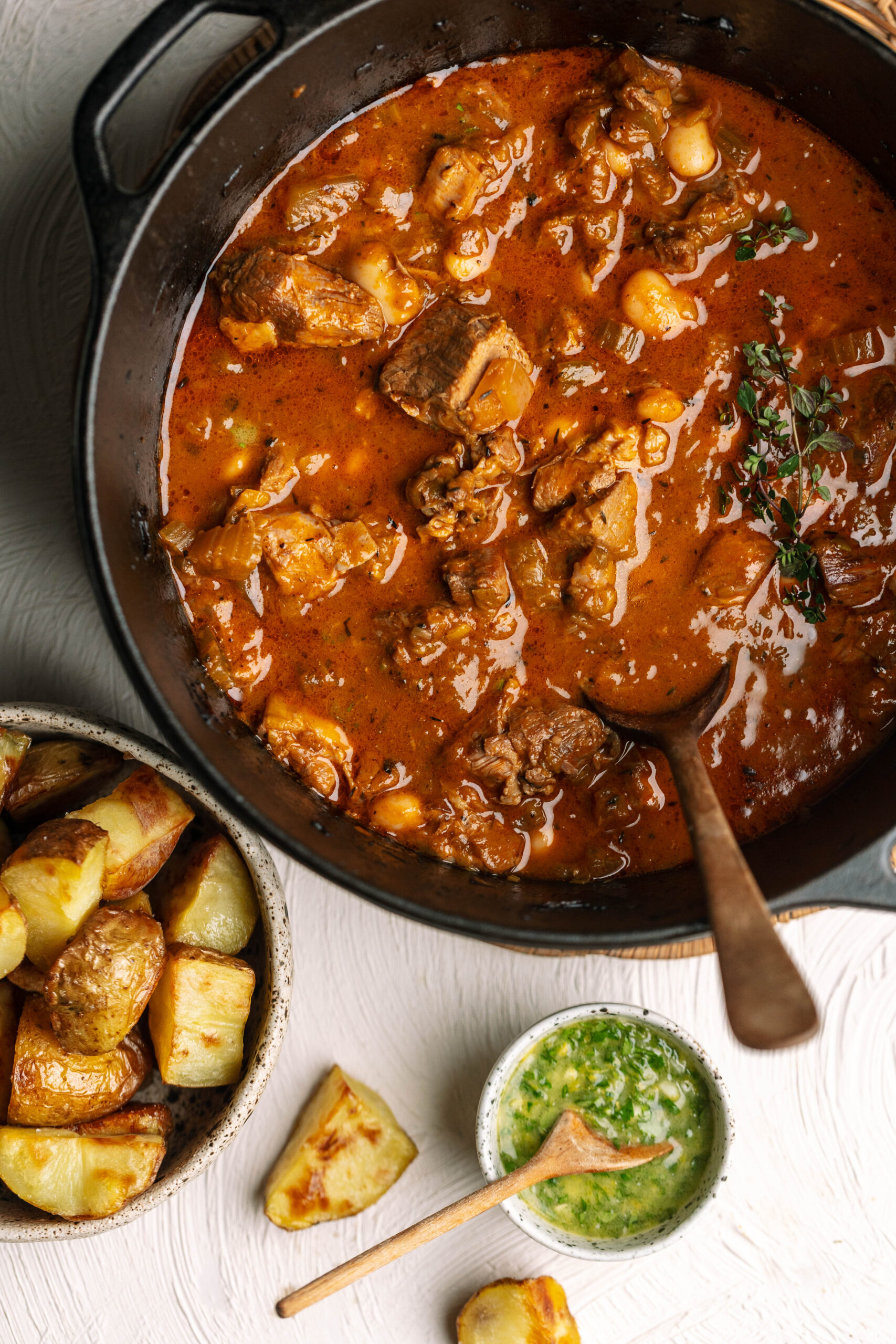
Slow-Cooking 101
There’s something incredibly satisfying about throwing a few simple ingredients into a slow cooker, walking away, and coming back to a meal that tastes like you’ve spent hours in the kitchen. Slow cooking is one of our favourite ways to cook. It’s budget-friendly, requires very little hands-on time and is one of the easiest ways … Continued

The Division of Responsibility
A framework that makes feeding feel calmer and clearer
Premature Babies
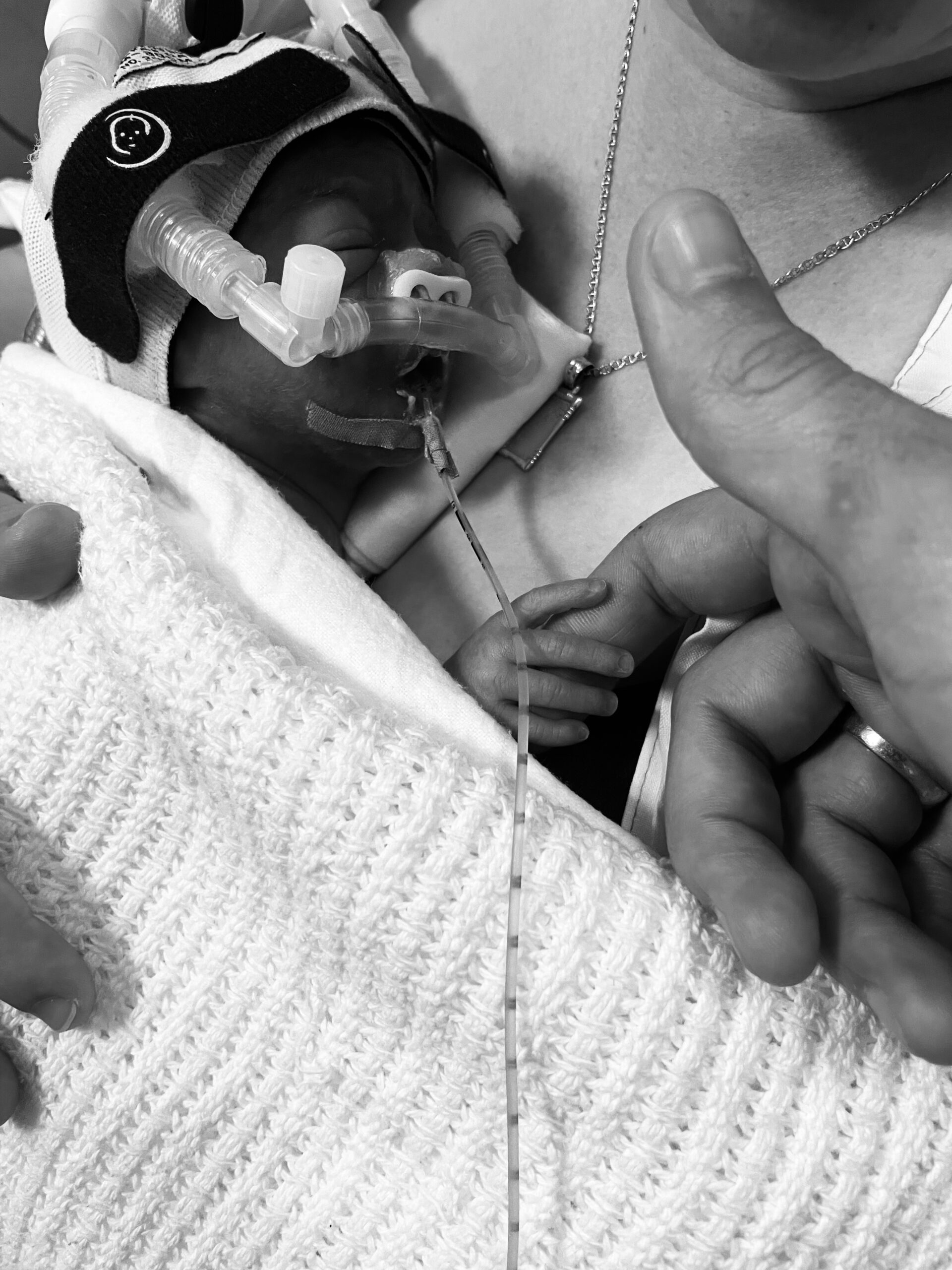
When to start solids and what to expect.
Baby Food Pouches
Food pouches are so convenient but are they doing more harm than good?

Weaning
How to wean your baby from breastmilk to a balanced diet
Dairy – Cows Milk
How to introduce dairy to babies, and is cows milk necessary in a toddlers diet?


Add a comment
Show Comments
0Leave a Comment
Your email address will not be published. Required fields are marked *