

Food Refusal
When a Toddler Refuses a Previously Preferred Food
Contents
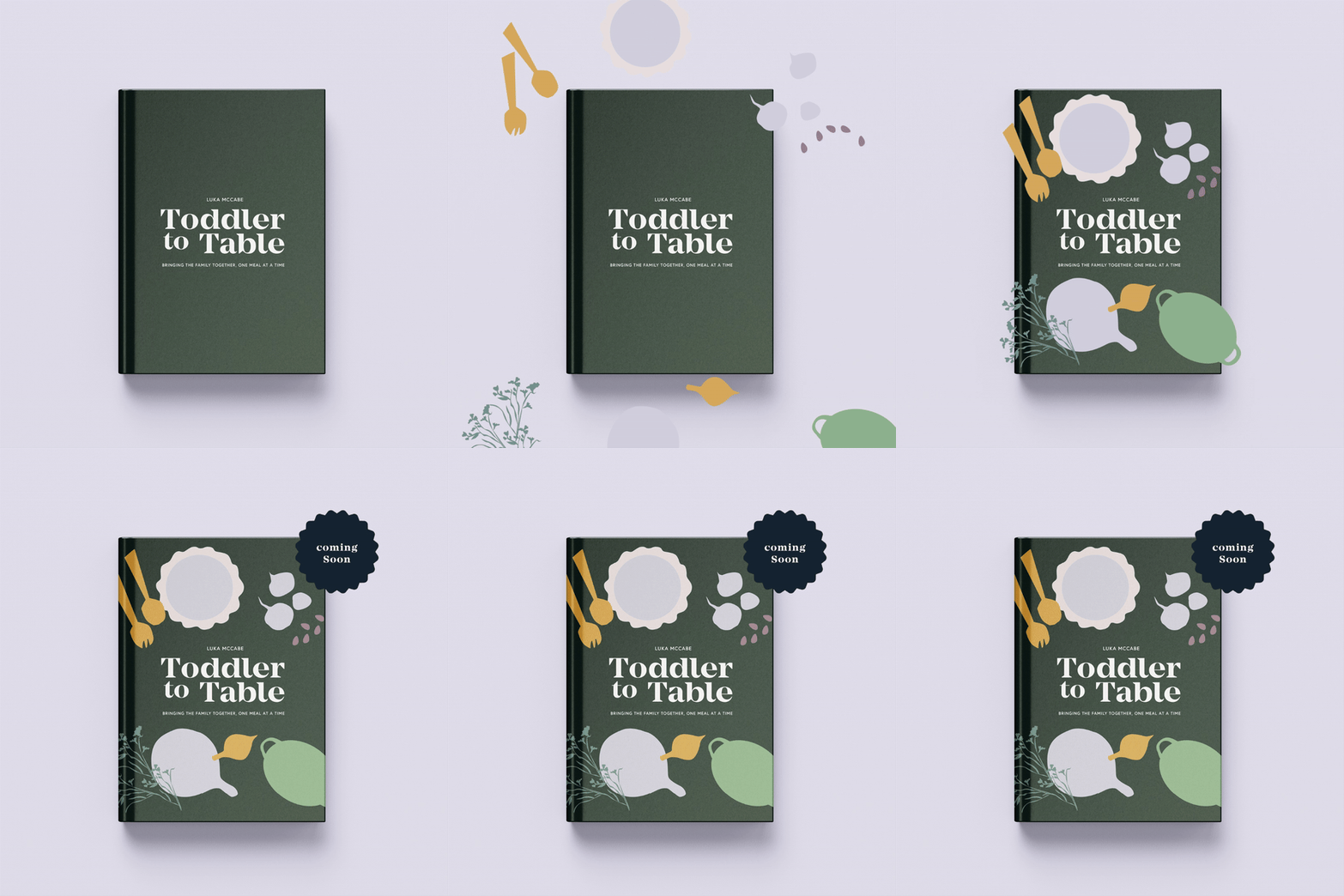
Back in stock
Toddler to Table now back in stock!
Your guide to bringing the family together, one meal (and delicious recipe) at a time.
Order nowIt can be both surprising and frustrating: a food your toddler eagerly consumed yesterday is suddenly rejected today. You serve their favourite pasta, prepared exactly the same way, only for it to be met with refusal, disinterest, or even distress.
Naturally, this may prompt concern: “They loved this yesterday, what changed?”
Take heart. This type of behaviour is not unusual. In fact, it is a well-documented and developmentally typical phase for many children. Below, we explore some of the most common reasons children reject familiar foods, and outline strategies for parents and caregivers to manage these situations calmly and effectively.
Why Toddlers Refuse Foods They Once Enjoyed
1. Assertion of Autonomy
During toddlerhood and early childhood, children begin to assert their independence in a variety of ways. Refusing food, even a previously favoured one, is one method they use to exercise control in an environment where many decisions are made on their behalf.
2. Appetite Variability
Children’s appetites are naturally inconsistent. A child who eats enthusiastically one day may eat very little the next. These fluctuations are influenced by growth patterns, activity levels, fatigue, minor illnesses, and emotional state.
3. Sensory Sensitivities
Young children are often highly sensitive to even minor changes in food texture, temperature, colour, or appearance. A food that seems identical to an adult may be perceived as different by a little one. Additionally, some toddlers have what is called an over-responsive sensory system which means they may experience the smell, taste, texture or even visual presentation of a food in a much more overwhelming way than we might expect.
4. Negative Associations
A single negative experience involving a food — such as choking, gagging, or being pressured to eat — can create an aversion. Children may begin to associate that food with discomfort or distress and avoid it, regardless of prior preference.
5. Repetition and Food Fatigue (Food Jagging)
Repeated exposure to the same food can lead to what is often termed “food fatigue” or “food jagging”. A food jag occurs when a child eats the same food repeatedly, sometimes everyday, or multiple times a day, and then suddenly stops eating it altogether. This is especially common among toddlers and young children and is considered a normal, albeit frustrating, developmental phase. However, for a child who is already restrictive in their eating or has limited food preferences, food jagging can become concerning if it results in elimination of further preferred foods for their diet.
How to Manage Food Jags
- Rotate Preferred Foods – Avoid serving the same food too frequently. Introduce natural breaks and vary the menu to prevent burnout.
- Anticipate Rejection – If a food has been eaten at many consecutive meals, be prepared for a pause and offer alternatives proactively.
- Continue Exposure – After a break, gently reintroduce the food without pressure. Many children will return to it after some time.
- Offer Variety Early – To help prevent food jags, establish variety early on. Present different foods in multiple forms to build flexibility and reduce over-reliance on any one item.
Strategies for Parents and Caregivers During Toddler Food Refusal
- Maintain a calm, neutral response and avoid expressing frustration or disappointment. Emotional reactions can reinforce avoidance behaviours or create mealtime tension.
- Do not pressure or coax. Statements like “You liked this yesterday” or “Just one bite” may backfire. Instead, offer gentle reassurance “It’s okay if you’re not interested in this right now.” “Hmmm seems like your body doesn’t feel like this today. That’s ok, maybe tomorrow”.
- Keep the food in rotation and do not eliminate the food entirely. Offer it occasionally in a low-pressure setting. Repeated exposure builds familiarity and trust over time.
- Vary the presentation. Small changes in preparation can reignite interest. For example use a different pasta shape or fruit cut, serve with a dip, change the temperature, or even change the brand!
- Play the long game. A single rejected food, even a favourite, is rarely cause for concern. Focus instead on staying in your role, trusting your little one’s tummy and playing the game. It’s never about one particular meal – the goal is raising life long intuitive eaters who know how to listen to (and nourish) their bodies
When to Seek Professional Guidance
While occasional food refusals are developmentally normal, consider seeking support from a health professional if it is feeling challenging to manage. You can also read a bit about the difference between a picky eater and problem feeder here.
Sudden refusals, food jags, and shifting preferences are all part of a toddler’s developmental journey with food. With patience, variety, and a non-pressured approach, most little ones will return to a wider range of eating habits over time.
Want more help?
Our book Toddler to Table has been designed to help you! Half of the book is all information on toddler mealtimes, including proven strategies, tips and tricks. Get your copy here.


Back in stock
Toddler to Table now back in stock!
Your guide to bringing the family together, one meal (and delicious recipe) at a time.
Order now
The Division of Responsibility
A framework that makes feeding feel calmer and clearer

Weaning
How to wean your baby from breastmilk to a balanced diet
Dairy – Cows Milk
How to introduce dairy to babies, and is cows milk necessary in a toddlers diet?
Bone Broth/Meat Stock
Everything you need to know about bone broth
Tongue Ties
What should you do?

Cups for Babies & Toddlers
What You Need to Know

Add a comment
Show Comments
0Leave a Comment
Your email address will not be published. Required fields are marked *