Morning sickness is a common yet challenging experience for many women in early pregnancy. Despite its name, nausea (and sometimes vomiting) can occur at any time of the day (or night).
For most women, morning sickness begins around 6 to 8 weeks of pregnancy and typically eases by 16 weeks. However, some (approximately 1–3%) experience a severe form known as hyperemesis gravidarum (HG), which can lead to dehydration and malnutrition. If you are unable to keep food or fluids down, it is important to seek medical advice.
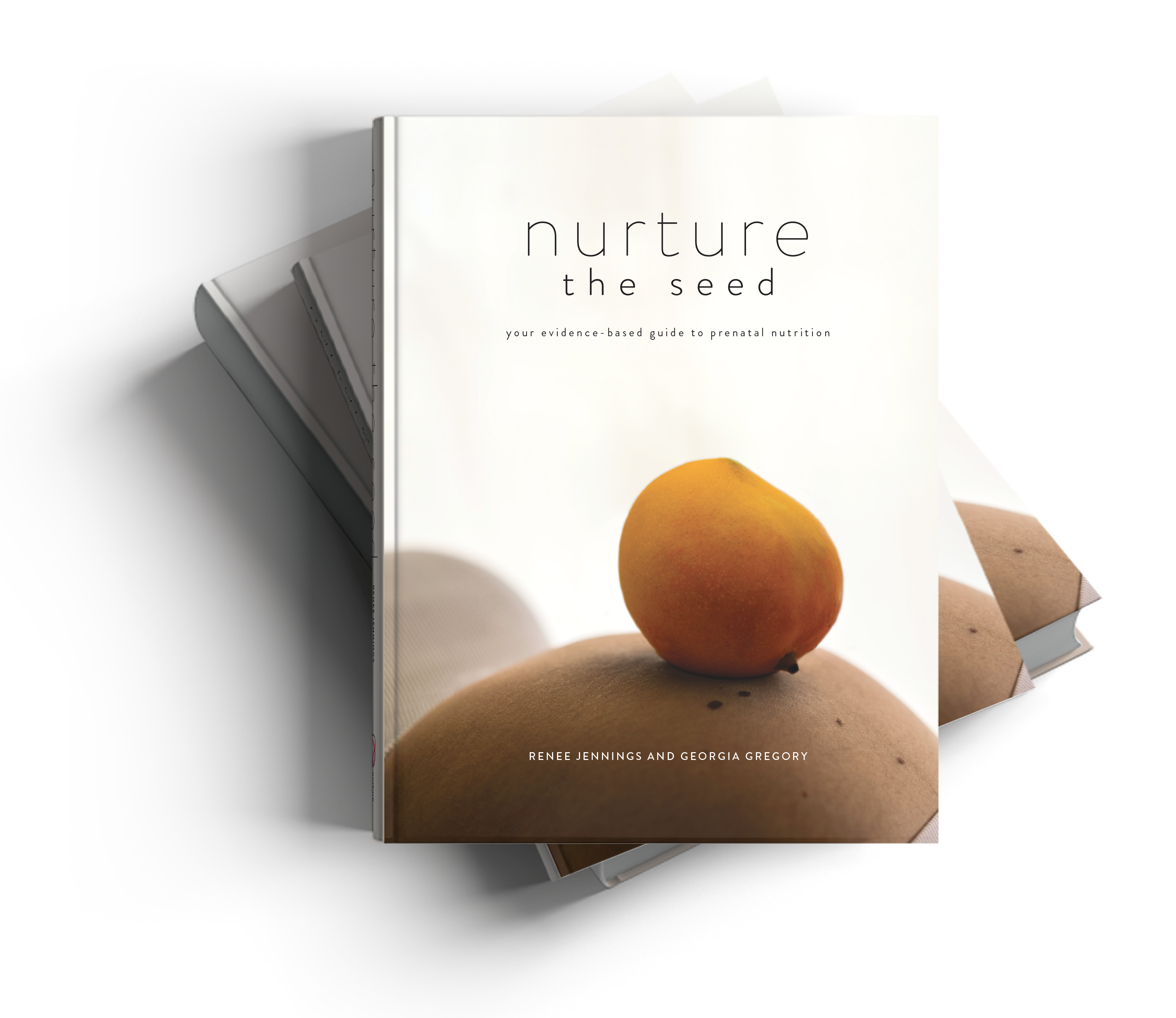
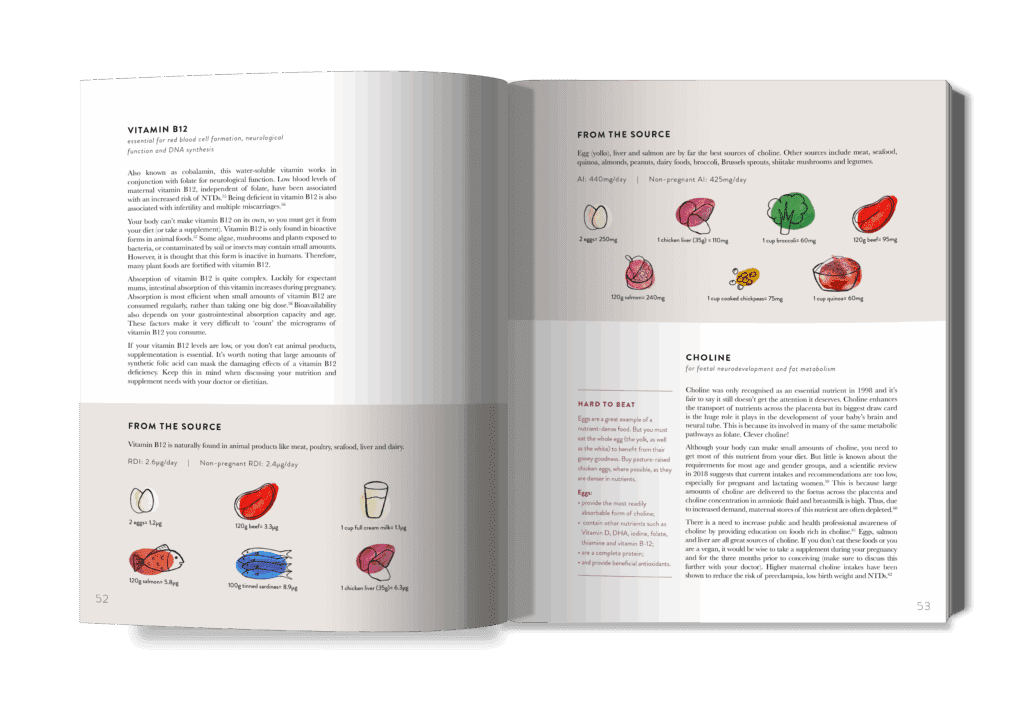
We cover much more about morning sickness and other pregnancy symptoms (such as constipation, reflux and cravings) in our pregnancy nutrition book, Nurture the Seed.
nurture the seed booknurture the seed booknurture the seed book
What causes morning sickness?
The exact cause of morning sickness is not fully understood, but it is likely influenced by multiple factors, including:
Hormonal fluctuations
Blood sugar highs and lows
Nutrient deficiencies
Changes in the gastrointestinal tract
Genetic predisposition
Emotional stress
What can you do to help?
While morning sickness can be difficult to manage, here are some strategies that may help:
1. Eat before getting out of bed
Nausea often worsens upon waking due to an empty stomach. Keep some dry crackers or salted nuts by your bedside to nibble on before getting up.
2. Eat small, frequent meals
Although food may be unappealing, eating small amounts regularly is essential. Both an empty stomach and an overly full one can exacerbate nausea. Frequent meals also help prevent blood sugar fluctuations, which are a common nausea trigger.
3. Balance carbohydrates with protein and fat
Plain carbohydrates like toast or crackers may seem like the easiest option, but pairing them with protein and/or healthy fats can help stabilise blood sugar levels, thereby reducing this nausea trigger. Try:
Crackers with peanut butter or cheese
Toast with avocado
Salted nuts
A smoothie with protein powder, collagen or nut butter
4. Opt for cold foods
Cold foods have less aroma, making them easier to tolerate. Consider options like:
Chilled zucchini slice or frittata*
Refrigerated leftover meats or poultry*
Cheese
Nut bars/bliss balls
Smoothies
*Ensure cooked foods are stored in the fridge in a sealed container within an hour of being cooked. This will make them safe to eat cold the following day.
5. Stay hydrated
Dehydration can make nausea worse. If plain water is unappealing, try:
Sparkling/soda water (the bubbles may help settle your stomach)
Lemon water (can help with strange tastes in the mouth)
Coconut water
Electrolyte drinks like mini + me (use the code BOOBTOFOOD for a discount)
Milk or kefir
Bone broth
Ice blocks
6. Ditch the big prenatals
If large prenatal vitamins are difficult to tolerate, don’t stress. A short break is unlikely to cause harm, or you can switch to smaller capsules, gummies, or liquid forms. Our practitioners in our online clinic can help guide you in choosing alternative options.
7. Incorporate ginger into your diet
Ginger is a medicinal root that has long been used for nausea relief. You can try:
Ginger root tea (steep fresh ginger in hot water)
Adding ginger to your cooking
Ginger supplements
Ginger-infused kefir water
8. Get others to cook for you
For many, the sight and smell of food—especially raw meat—can worsen nausea. If possible, ask your partner, friend, or family member to take over cooking duties. If that’s not an option, consider preparing meals in advance on days when you feel better or opting for ready made meals or simple low-smell foods.
9. Avoid trigger foods
If a particular food worsens your nausea, avoid it, even if it’s normally considered healthy. You can reintroduce it when you’re feeling better.
10. Consider targeted supplements
Certain supplements, such as vitamin B6 (pyridoxal-5-phosphate) and magnesium, have been shown to help reduce nausea. Our online clinic can assist with tailored recommendations.
What if nothing is helping?
If none of these strategies are helping and you are feeling depleted and dehydrated, it’s essential you seek medical attention. There are some pregnancy safe medications that can significantly reduce nausea and vomiting.
Be kind to yourself
Morning sickness can be physically and emotionally exhausting. Don’t place unnecessary pressure or guilt on yourself—your body is incredibly adaptive and will prioritise providing nutrients to your baby. Focus on what you can manage, and know that this phase will pass.
Written and Reviewed by:
Renee Jennings
Dietitian & Nutritionist, APD
Kate Holm
Nutritionist & Naturopath Clinical Director
Luka McCabe
Founder Nutrition Consultant
Add a comment
Show Comments
0
Leave a Comment
Your email address will not be published. Required fields are marked *
Back in stock
Toddler to Table now back in stock!
Your guide to bringing the family together, one meal (and delicious recipe) at a time.
In today’s episode we have our beautiful dietician renee back to bust some myths and share some facts around food safety during pregnancy and infancy. Renee is a clinical dietitian and nutritionist specialising in pregnancy, postpartum and childhood nutrition. She has a strong research focus (and tendencies to nerd out with Kate) and many years … Continued
Feeling flat, anxious, tired, run down or just generally not like yourself since having a baby? Is it just BECAUSE you’ve had a baby? Or could there be something else going on? In today’s episode we speak to the incredible Dr Oscar Serralach about all things postnatal depletion - what’s normal, what’s not and what you can do about it!









Add a comment
Show Comments
0Leave a Comment
Your email address will not be published. Required fields are marked *