
Preparing for Pregnancy
Both your body and your mind

Contents
Back in stock
Toddler to Table now back in stock!
Your guide to bringing the family together, one meal (and delicious recipe) at a time.
Order nowThinking about growing your family is such a special time. It’s natural to feel both excited and a little overwhelmed about where to begin. By focusing on your mind and body, you can lay the foundation for a healthy pregnancy and beyond. So, where should you start?
Here’s a step-by-step guide to help you prepare.
Step 1: Book a Preconception Check-Up with Your GP
One of the best things you can do before trying to conceive is visit your doctor for a preconception assessment. This ensures that you’re in the best possible health and gives you a chance to address any underlying concerns.
Here’s a handy checklist for your GP appointment:
- Discuss any pre-existing medical conditions and confirm your medications are safe to take during pregnancy.
- Request blood tests to check your nutrient levels and other general markers, such as iron, vitamin D, folate, vitamin B12, thyroid function, and HbA1c.
- Test your immunity to illnesses like rubella and chickenpox as well as an STI screen.
- Explore options for genetic carrier screening to assess inherited conditions.
By getting these sorted early, you’ll feel confident and well-prepared as you take the next steps.
Step 2: Optimise Your Nutrition for Fertility
Good nutrition is essential for supporting fertility and preparing your body for pregnancy. Not only does it support egg and sperm quality, but it also ensures your body has the nutrient stores needed to sustain a healthy pregnancy—even if morning sickness kicks in during the first trimester.
Simple nutrition tips for preconception health:
- Pack in the antioxidants: These protect your cells from damage, improving the quality of eggs and sperm. Focus on colourful fruits and veggies, nuts, seeds, herbs, spices, avocado, and extra virgin olive oil.
- Eat oily fish 2–3 times a week: Fish like salmon, mackerel, and sardines are rich in omega-3 fats, which reduce inflammation, regulate hormones, and improve egg and sperm quality. If fish isn’t your thing, consider an omega-3 supplement (with at least 500 mg of DHA + EPA – some people benefit from higher doses – we can help guide your supplement choices in our clinic).
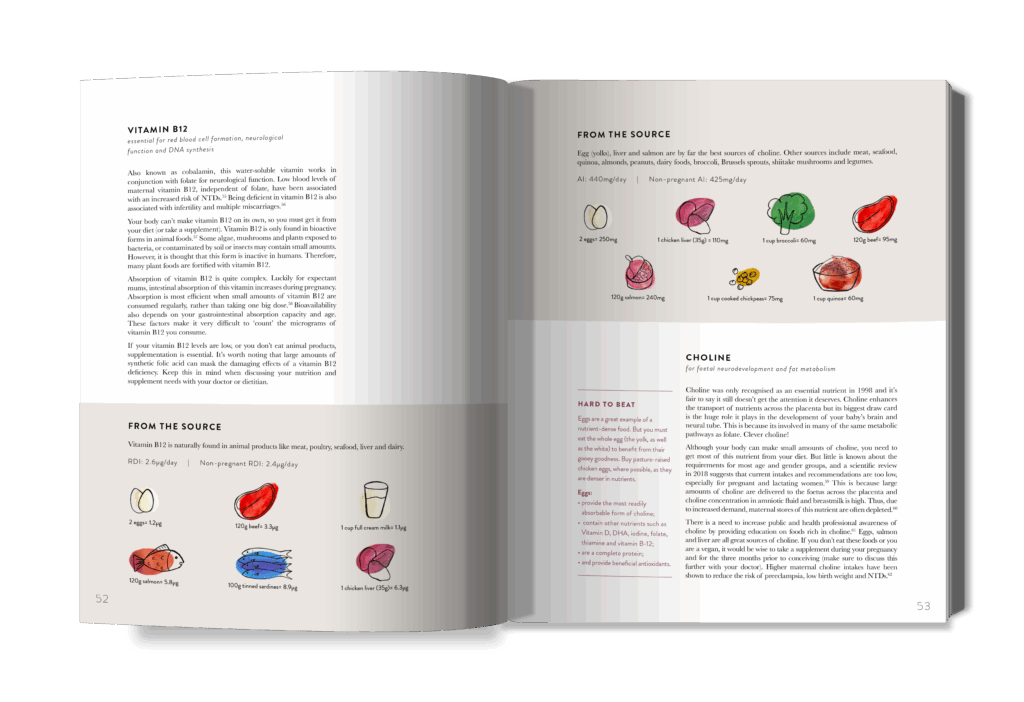
- Focus on folate and choline: These nutrients support early neural tube development in your baby. Include green leafy vegetables, avocado, lentils, eggs, liver, chickpeas, and oily fish.
- Boost your iron intake: Iron needs skyrocket during pregnancy, so build up your stores beforehand with foods like red meat, chicken liver, seafood, eggs, nuts, seeds, tofu, and green leafy vegetables. Remember, animal-based iron (haem iron) is more easily absorbed than plant-based iron.
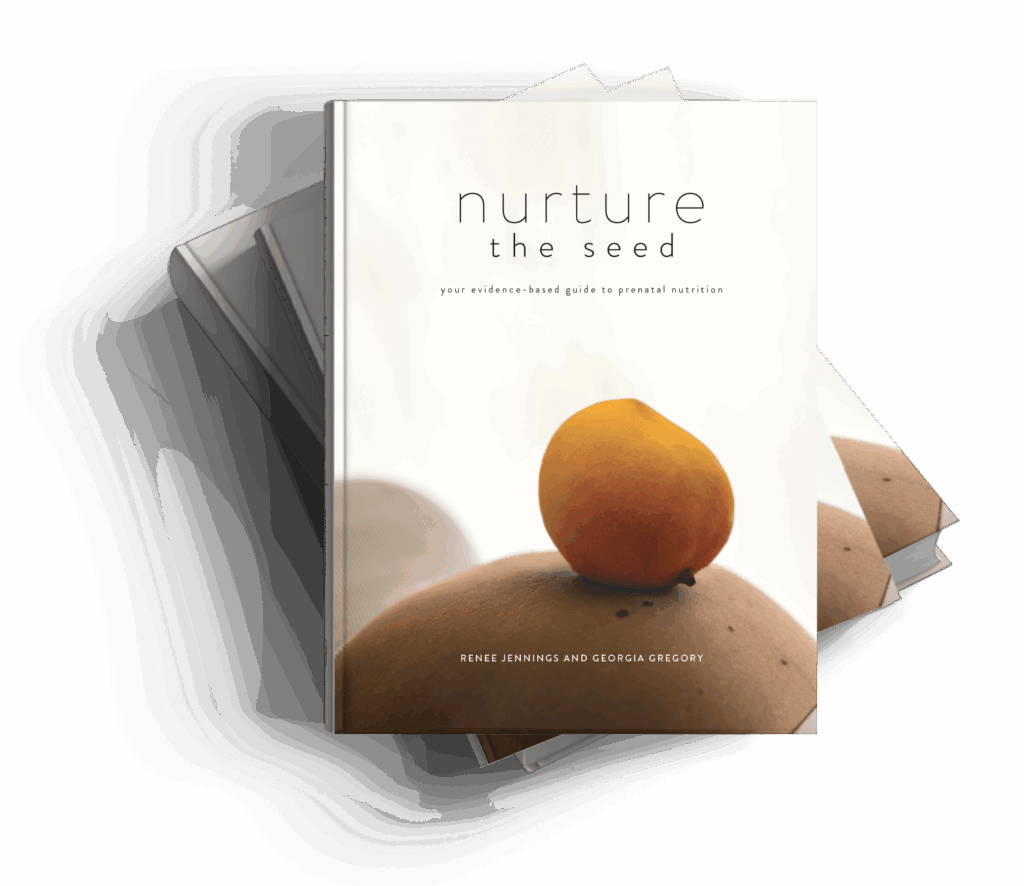
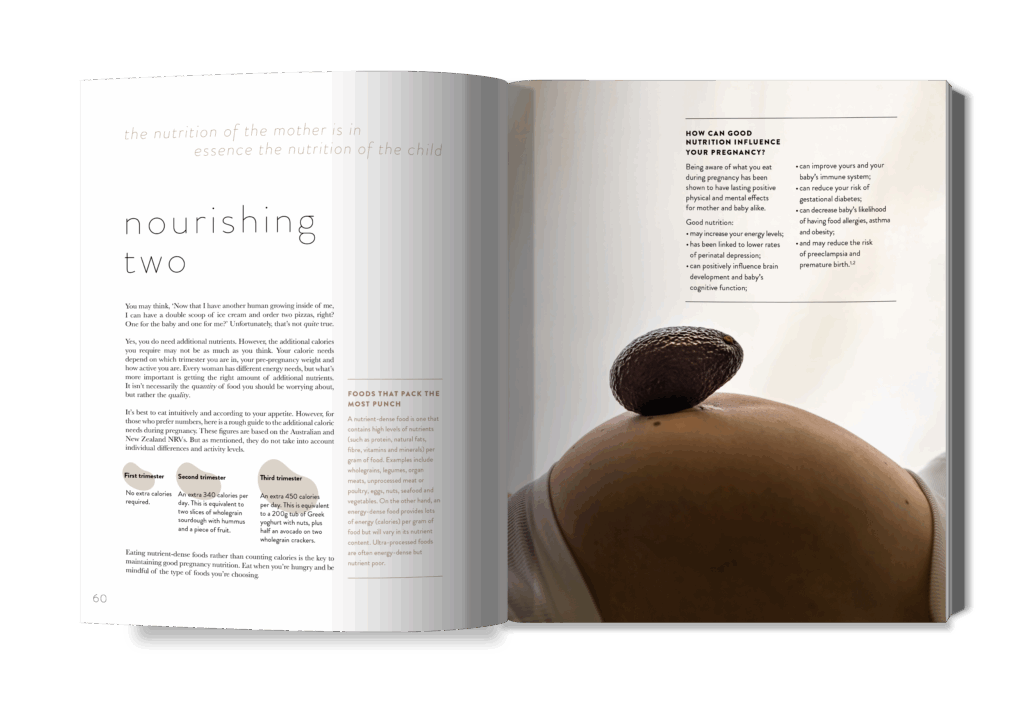
For easy meal inspiration and more information about nutrition during preconception and pregnancy check out our book Nurture the Seed, written by our incredible prenatal dietitian Renee Jennings.
Step 3: Choose the Right Prenatal Supplements
While a nutrient-rich diet is key, supplements can help fill any gaps. All women trying to conceive should take a prenatal supplement with at least:
- 500 mcg of folate
- 150 mcg of iodine
Some people may also need extra choline, iron, vitamin B12, or vitamin D, depending on their individual needs. Not sure what’s right for you? Our experienced team of naturopaths, nutritionists and prenatal dieticians in our online clinic can guide you in choosing supplements tailored to your individual needs and health picture.
Learn more about choosing prenatal supplements in this blog post.
Step 4: Reduce Your Exposure to Toxins
While it’s impossible to eliminate all toxins, small changes can make a big difference:
- Limit caffeine to 200 mg per day (about 1–2 shots of coffee or or 3 instant coffees, or 4 cups of tea/hot chocolate).
- Drink alcohol sparingly—up to 1–2 standard drinks per week is reasonable preconception.
- Ditch plastics: Use glass or stainless-steel bottles and avoid reheating food in plastic containers.
- Choose organic produce where possible, or wash your fruits and vegetables thoroughly.
- Filter your water to reduce contaminants.
These small adjustments can help create a healthier environment for conception and pregnancy.
Step 5: Move Your Body Daily
Regular movement positively impacts reproductive health by improving insulin sensitivity, energy balance, and stress management. Choose activities you enjoy, whether it’s walking, yoga, or swimming, and aim for 30–45 minutes of movement most days.
Step 6: Prepare Yourself Emotionally
Pregnancy and parenting can be an emotional rollercoaster, so take time now to build emotional resilience.
- Connect with your partner: Discuss your hopes and plans to ensure you’re on the same page.
- Practise mindfulness: Meditation, yoga, or even deep breathing can help you manage stress and anxiety.
- Journal your thoughts: Writing can be a powerful tool for working through fears or worries about the journey ahead.
Preparing your mind is just as important as preparing your body.
When Should You Start Preparing?
Ideally, begin these steps 3–6 months before you hope to conceive. But don’t worry if time is tight—start where you can, and remember, every little change adds up.
For even more guidance on preparing for pregnancy, check out our book, Nurture the Seed. It’s packed with practical tips and evidence-based advice to help you every step of the way. Every small step you take today helps set the stage for a happy, healthy pregnancy.
If you’d like more personalised support, our online clinic is here to help you with tailored advice for both you and your partner during the preconception period and beyond.



Back in stock
Toddler to Table now back in stock!
Your guide to bringing the family together, one meal (and delicious recipe) at a time.
Order now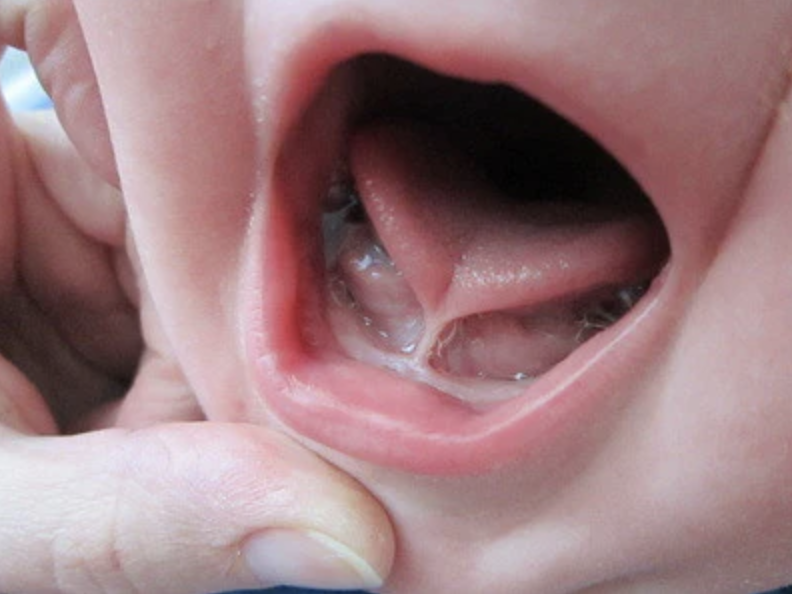
Tongue Ties
What should you do?

Morning Sickness
Practical tips to reduce nausea and stay nourished through the first trimester.

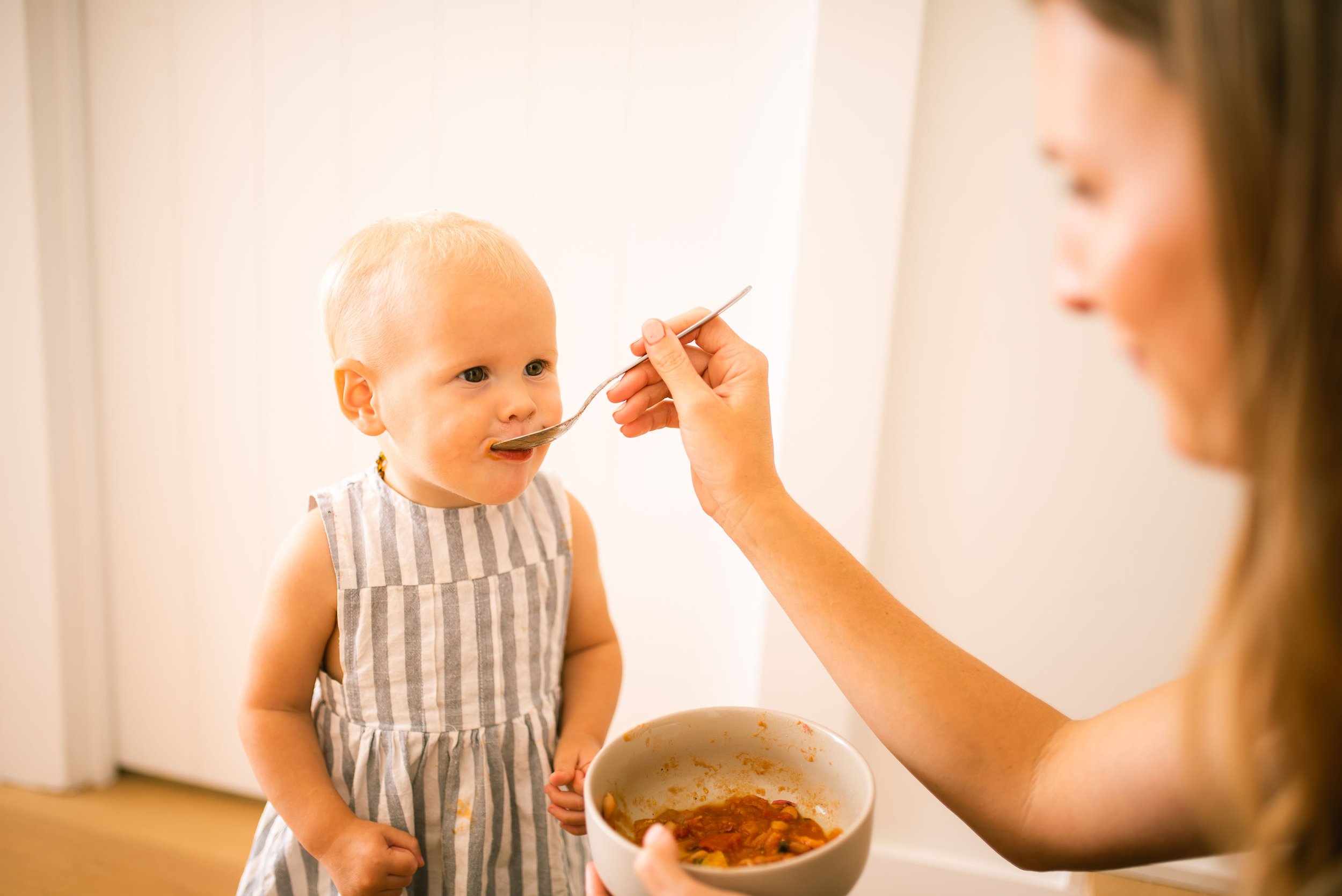
Gagging vs Choking
What Every Parent Needs to Know When Starting Solids

Choosing a Prenatal Multivitamin
What you need to know
Constipation in Babies and Toddlers
What parents need to know

Gastro
How to nourish your child during and after gastro.
Add a comment
Show Comments
0Leave a Comment
Your email address will not be published. Required fields are marked *