

Eczema
What is eczema and how can we help?
Contents
Back in stock
Toddler to Table now back in stock!
Your guide to bringing the family together, one meal (and delicious recipe) at a time.
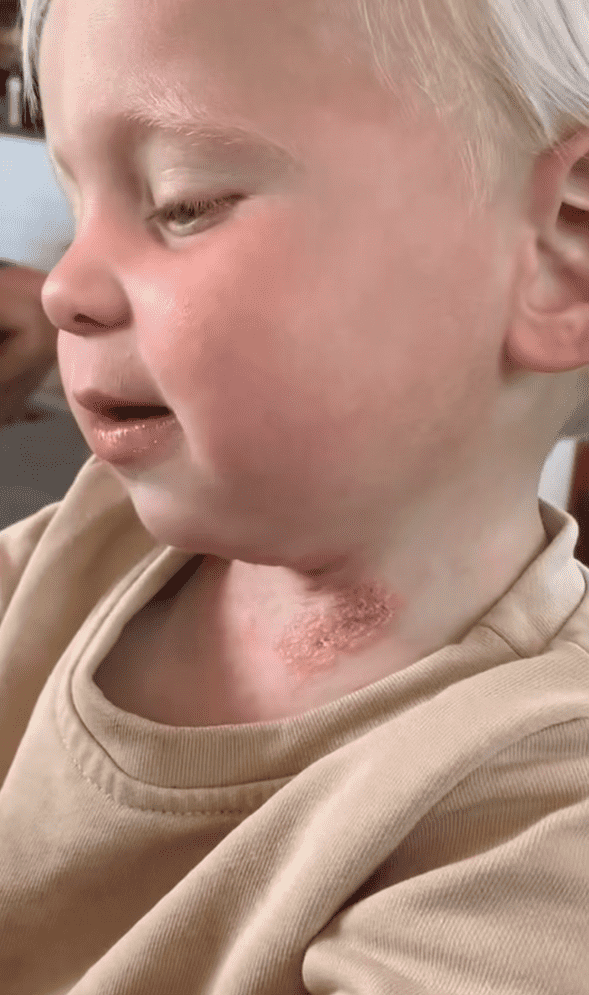
Order nowEczema can be a challenging and stressful condition for families, affecting around 30% of children under the age of 5 in Australia. This chronic inflammatory condition leads to red, inflamed, and sore skin, often accompanied by intense itchiness and dryness. If your child has eczema, you’ll know how much they can scratch, which unfortunately can worsen the irritation and inflammation on the skin (and keep everyone awake at night!).
What is Eczema?
Also known as atopic dermatitis, eczema typically appears after 3 months of age and is often the first sign of “atopy,” a specific immune response that can predispose children to other allergic conditions like asthma and hay fever. Understanding this connection is crucial, as eczema can increase the risk of developing additional allergies later in life.
What Causes Eczema?
The exact causes of eczema are still being researched, but genetics play a significant role. If there’s a family history of eczema, your child may be at higher risk. Other contributing factors include:
- Immune dysfunction
- Gut health
- Inflammation from food, stress, and environmental factors
Eczema is not just a surface issue; it’s linked to overall health and the immune system, making it essential to look beyond topical treatments (even though these are very important too).
Common Triggers
Eczema can be triggered by various factors, including this like:
- Allergies to dust mites, pollen, and mould
- Sensitivity to detergents, soaps, and washing powders
- Perfumes/ fragrances (even natural ones)
- Food intolerances (severe eczema with onset under 3 months can sometimes be due to food intolerances eg CMPI)
- Heat and sweat
- Emotional stress
- Stimulation of the immune system eg following illness/ infection or immunisation
- Certain fabrics including wool
- Chlorine
- Sand
Identifying these triggers can be challenging, but keeping a diary of your child’s diet and symptoms can help.
Medical treatment of eczema
Typically, doctors will work with families to:
- Identify and where possible minimise/ eliminate triggers – sometimes dermatologists or immunologists might recommend skin prick testing for babies over 6 months; to help identify triggers
- Ensure appropriate skin care regime – regular emollients (moisturisers) are an important part of eczema treatment. Moisturisers should be unscented and not contain food products/ proteins. Oils do not tend to be as moisturising and are not usually recommended in place of emollients.
- Prescribe topical steroid ointments, as indicated
- Identify and treat secondary bacterial infections – sometimes if the skin is broken, bacteria from the skin can colonise eczema and cause an infection
The Role of Steroid Creams
While traditional treatments like steroid creams can provide relief, they may not always address the underlying issues. Prolonged and unnecessary/ inappropriate use of Steroid creams (including if the incorrect strength are used) can impede the healing process, leading to potential side effects such as:
- Loss of skin pigmentation
- Acne-like breakouts
- Fungal infections
- Prolonged infections like cold sores
Due to their softer skin and higher surface area to body weight ratio, children are particularly susceptible to the systemic side effects of these creams.
As such, use of steroid creams should be used only when directed by a health professional, for as short as possible and as an interim solution while other treatment is being initiated. At times, topical steroid creams can be an important rescue medicine and absolutely can have a place in the treatment of eczema when used appropriately. Prescription strength steroid creams are often required (rather than over the counter strengths) and there are prescription non-steroid alternatives that can be prescribed for facial eczema.
How We Can Help at Boob to Food
In our clinic, we offer a holistic approach to managing eczema, emphasising natural therapies that complement or reduce the need for medical treatments. Our experienced nutritionists and naturopaths can guide you through:
- Dietary Changes: Incorporating foods rich in omega-3 fatty acids, vitamins, and antioxidants to support skin health.
- Supplements: Tailored recommendations, including things such as probiotics, zinc, and other essential nutrients.
- Natural Therapies: Focusing on gut health and reducing inflammation, which can significantly impact eczema.
- Tailored Topical Relief: Our experienced clinicians are able to compound an individualised topical cream using therapeutic herbs and nutrients.
- Comprehensive Management Plans: Identifying triggers and reducing acute flare-ups while improving overall skin health.
Book Your Appointment Today
If your child is struggling with eczema, we’re here to help. Our team at Boob to Food will work with you to create a personalised plan that addresses both symptoms and underlying causes. Book an appointment with one of our highly experienced clinicians, or schedule a FREE discovery call to find out if this approach is right for you.
Resources
- Boob to Food The Podcast Episode 44 – All about eczema with Luka and Kate
- Boob to Food The Podcast Episode 94 – Soothing the skin: eczema insights with naturopath Ash Yates
- Eczema Masterclass: A self paced masterclass unpacking the complex topic of eczema with practical steps and holistic recommendations
References
- Boothe WD, Tarbox JA, Tarbox MB. Atopic dermatitis: Pathophysiology. In: Fortson EA, Feldman SR, Strowd LC, editors. Management of atopic dermatitis. Cham, Switzerland: Springer International Publishing; 2017. p. 21–37. (Advances in Experimental Medicine and Biology)
- The Royal Children’s Hospital Melbourne, Eczema (atopic dermatitis), 2025, accessed 17/02/26, https://www.rch.org.au/kidsinfo/fact_sheets/eczema/
- Drago L, Toscano M, De Vecchi E, Piconi S, Iemoli E. Changing of fecal flora and clinical Effect of L. salivarius LS01 in adults with atopic dermatitis. J Clin Gastroenterol. 2012;46(SUPPL. 1):56–63.
- Micali G, Paternò V, Cannarella R, Dinotta F, Lacarrubba F. Evidence-based treatment of atopic dermatitis with topical moisturizers. G Ital Dermatol Venereol. 2018 Jun;153(3):396-402. doi: 10.23736/S0392-0488.18.05898-4. Epub 2018 Jan 24. PMID: 29368843.



Back in stock
Toddler to Table now back in stock!
Your guide to bringing the family together, one meal (and delicious recipe) at a time.
Order now
Slow-Cooking 101
There’s something incredibly satisfying about throwing a few simple ingredients into a slow cooker, walking away, and coming back to a meal that tastes like you’ve spent hours in the kitchen. Slow cooking is one of our favourite ways to cook. It’s budget-friendly, requires very little hands-on time and is one of the easiest ways … Continued

The Division of Responsibility
A framework that makes feeding feel calmer and clearer

Introducing Allergens to Your Baby
When, How & What to Watch For

Formula
Helping you choose the right one for your baby
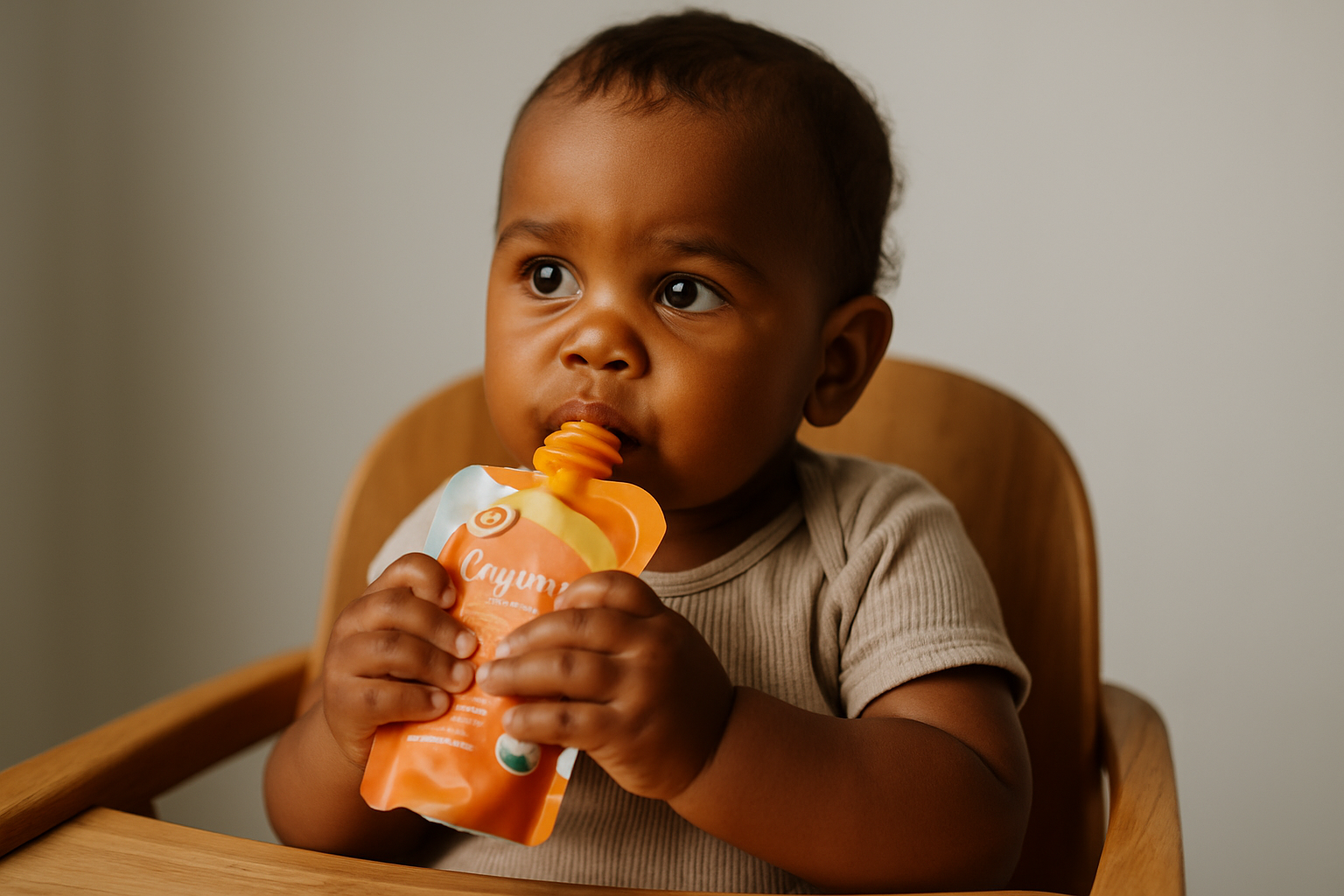
Baby Food Pouches
Food pouches are so convenient but are they doing more harm than good?
Weaning
How to wean your baby from breastmilk to a balanced diet

Add a comment
Show Comments
0Leave a Comment
Your email address will not be published. Required fields are marked *