
First Foods
First Foods That We Recommend When Starting Solids
Contents
Back in stock
Toddler to Table now back in stock!
Your guide to bringing the family together, one meal (and delicious recipe) at a time.
Order nowStarting solids is one of the most exciting milestones in your baby’s first year. Watching them take their first bites and explore new textures and flavours is not only a joy but also an essential step in their development. But where to begin? With so much information out there, choosing the best first foods can feel overwhelming. So, let’s break it down together.
What is the Best First Food?
There’s no single ‘best’ first food to offer your baby. Instead, think of it as introducing a variety of ‘first foods’ that are nutrient-dense, easy to prepare and enjoyable for your baby to explore. The focus should be on offering a range of textures, flavours, and nutrients over time rather than stressing about the perfect ‘first food’.
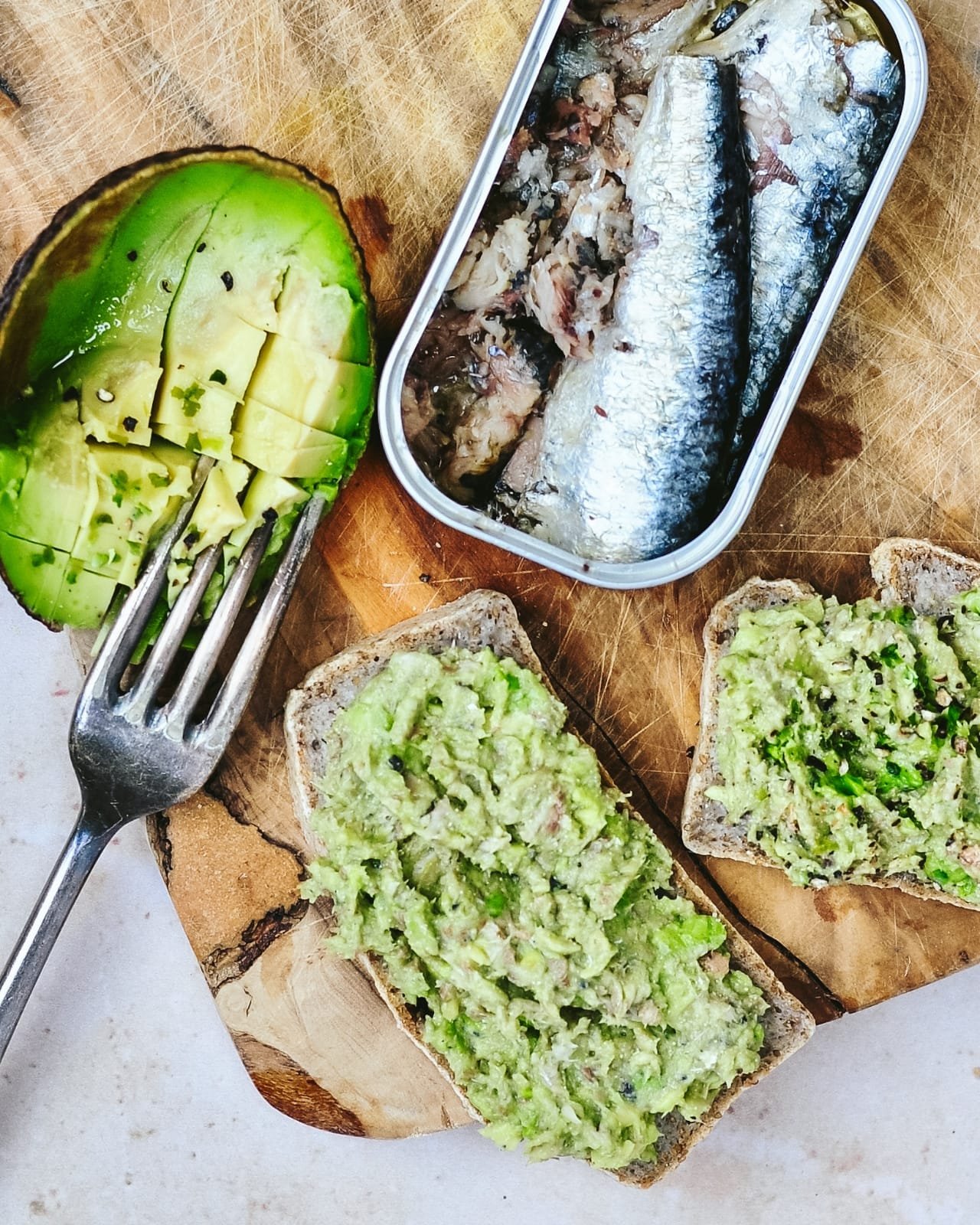
Our Boob to Food team’s children had all sorts of first foods, showing just how varied this journey can be! Some of their first bites included lamb cutlets, mashed avocado, slow-cooked pumpkin and even bone broth. It’s all about introducing foods that work for your family and your baby.
Breastmilk or Formula Remains the Priority
As exciting as starting solids is, it’s important to remember that breastmilk or formula will remain your baby’s primary source of nutrition for the first year. Solids are complementary at this stage—more about exploration than replacing milk feeds. There’s no need to stress about how much they’re eating or whether their meals are perfectly balanced. If your baby only eats a small amount or a single food to start with, that’s completely fine because their milk feeds will ‘fill the gaps’. We do like to focus on iron-rich foods though, as that is a key nutritional requirement at this age – in fact, the requirement for iron in babies is the highest it will ever be in their life at 11mg/day (that’s higher than an adult male!), and it isn’t quite met by milk feeds alone.
Why Iron Is Key
Around 6 months of age, your baby’s natural iron stores from birth begin to deplete, and breastmilk or formula alone may no longer provide sufficient iron to meet their needs. Iron is essential for healthy brain development, red blood cell production, and overall growth, which is why we recommend prioritising iron-rich foods when starting solids.
Some great iron-rich first foods include:
- Animal sources (haem iron): Beef, lamb, chicken, liver, and bone marrow (to name a few). This form of iron is easily absorbed and ideal for your baby’s growing body.
- Plant sources (non-haem iron): Lentils, chickpeas, tofu, and beans. Pair these with vitamin C-rich foods like citrus fruits or capsicum to boost absorption.
Read more about iron-rich foods here.
Raising a plant-based baby? Check out our e-book here.
What First Foods Do We Recommend?
When starting solids, we recommend focusing on nutrient-dense, wholefood options that support your baby’s growth and development. Some of our favourites include:
- Iron-rich meats: Soft, slow-cooked lamb shoulder or beef brisket shredded into small pieces or blended into purees.
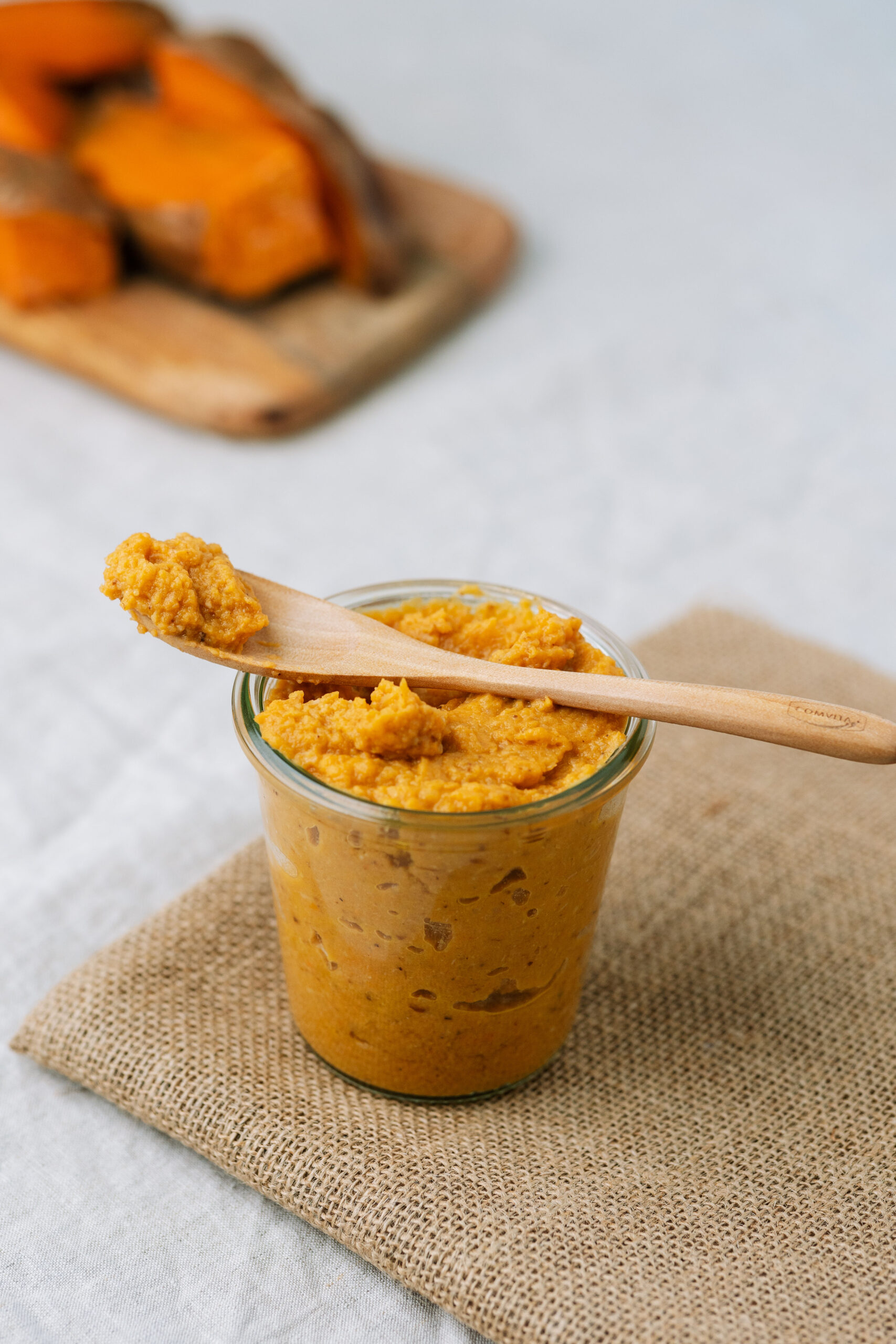
- Vegetables: Roasted pumpkin, steamed broccoli or mashed sweet potato. These can also be cut into finger-sized pieces for baby-led weaning.
- Healthy fats: Avocado, bone marrow or coconut cream are great to start with.
- Allergens: Once you have introduced a few ‘non-allergenic’ foods you can then start with some of the allergens – such as a smear of peanut butter or egg. Read more about allergen introduction here.
Method of Feeding
Not sure whether to start with purees, baby-led weaning (BLW), or a combination of both? It can feel daunting, but the good news is—there’s no one-size-fits-all approach! The best method is the one that works for both you and your baby. Some little ones prefer exploring food with their hands from the start, while others feel more comfortable with spoon-fed purees.
For more guidance, listen to our podcast episode on Choosing The Right Feeding Approach or read our blog on Safe Sizes, Shapes, and Textures.
For more recipes and guidance:
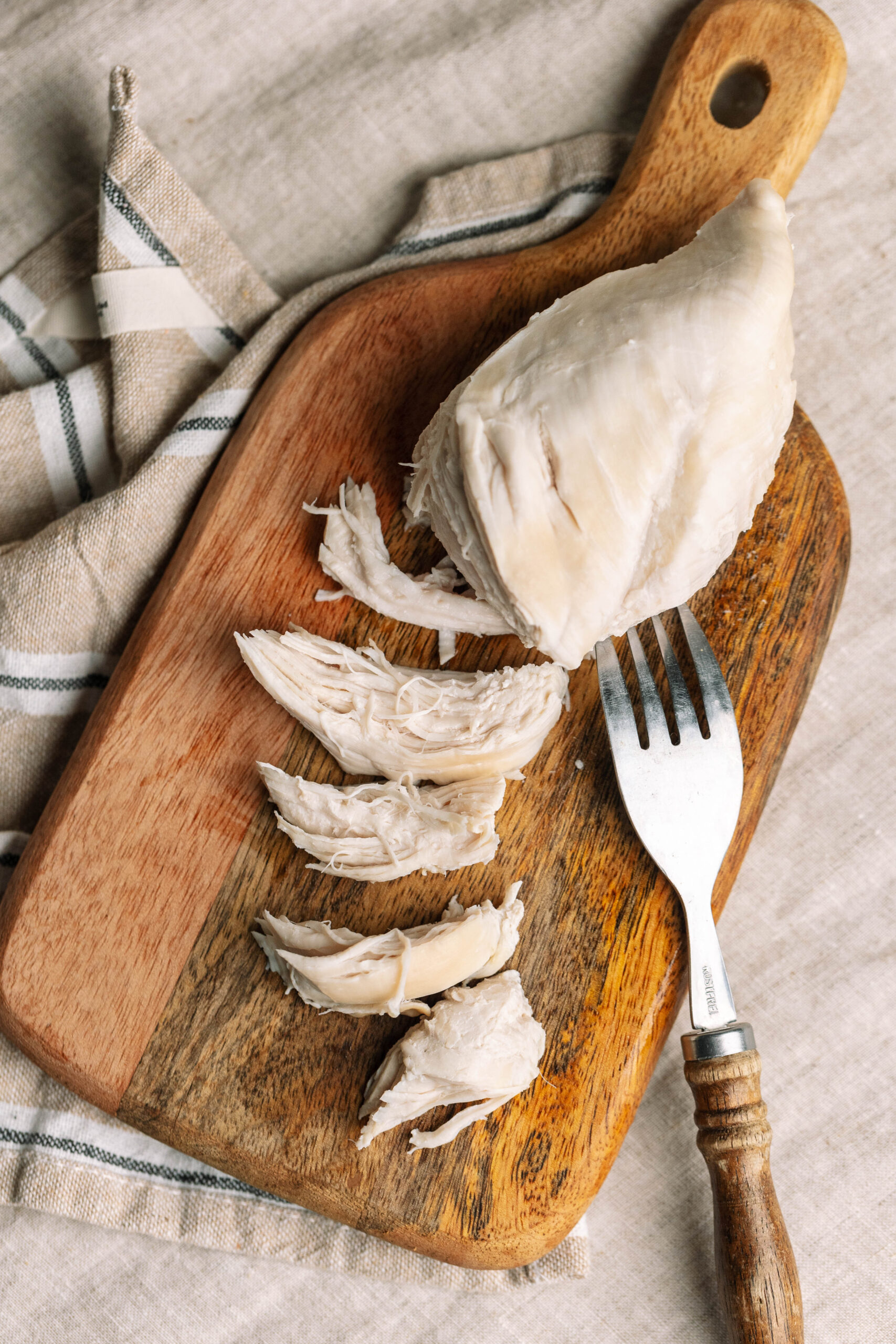
- Simple Poached Chicken
- Lamb Shanks
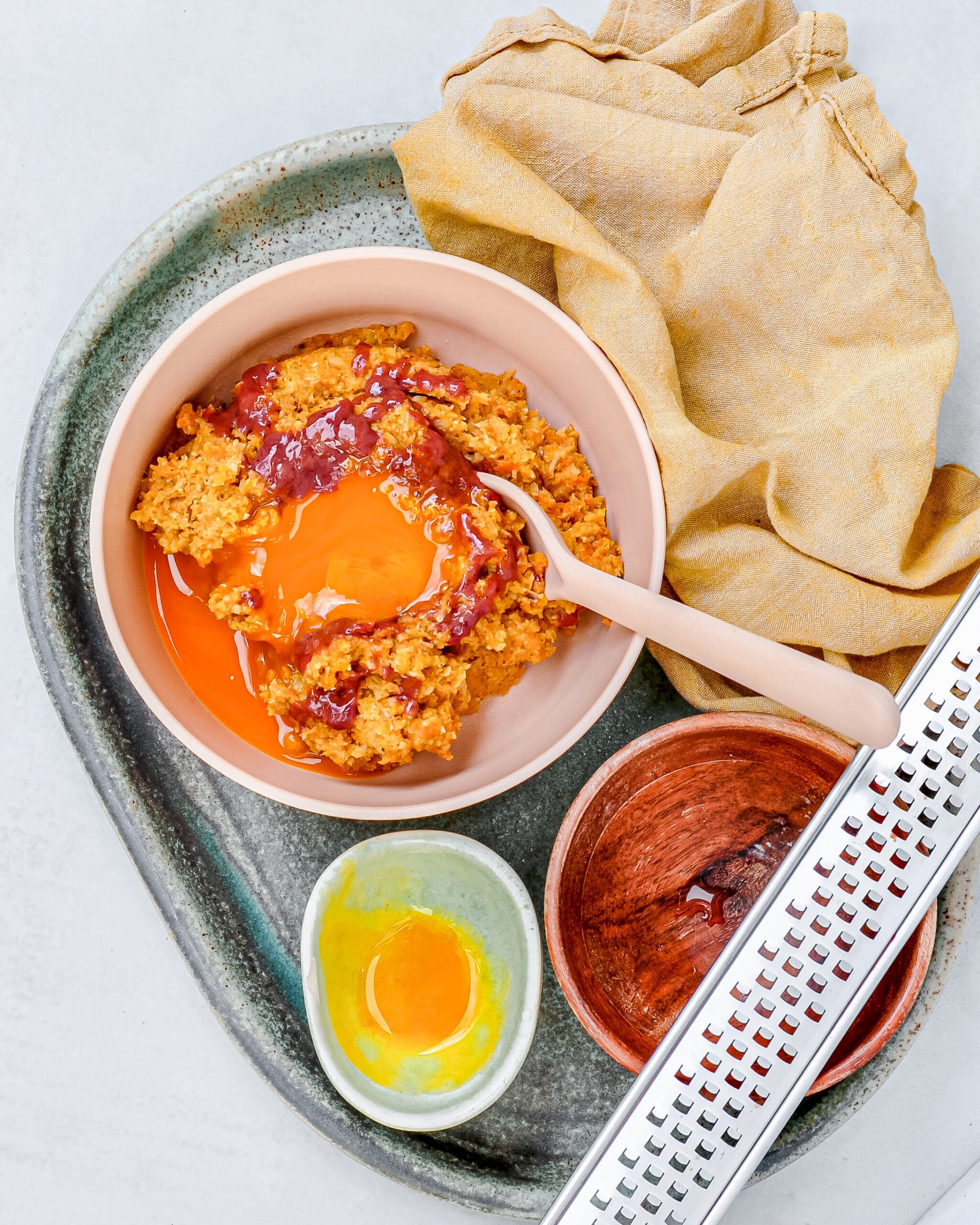
- Brothy Cauliflower Puree
- Coconut chia pudding
- Lamb shoulder
- Oven baked fish
- Egg and wakame omelette
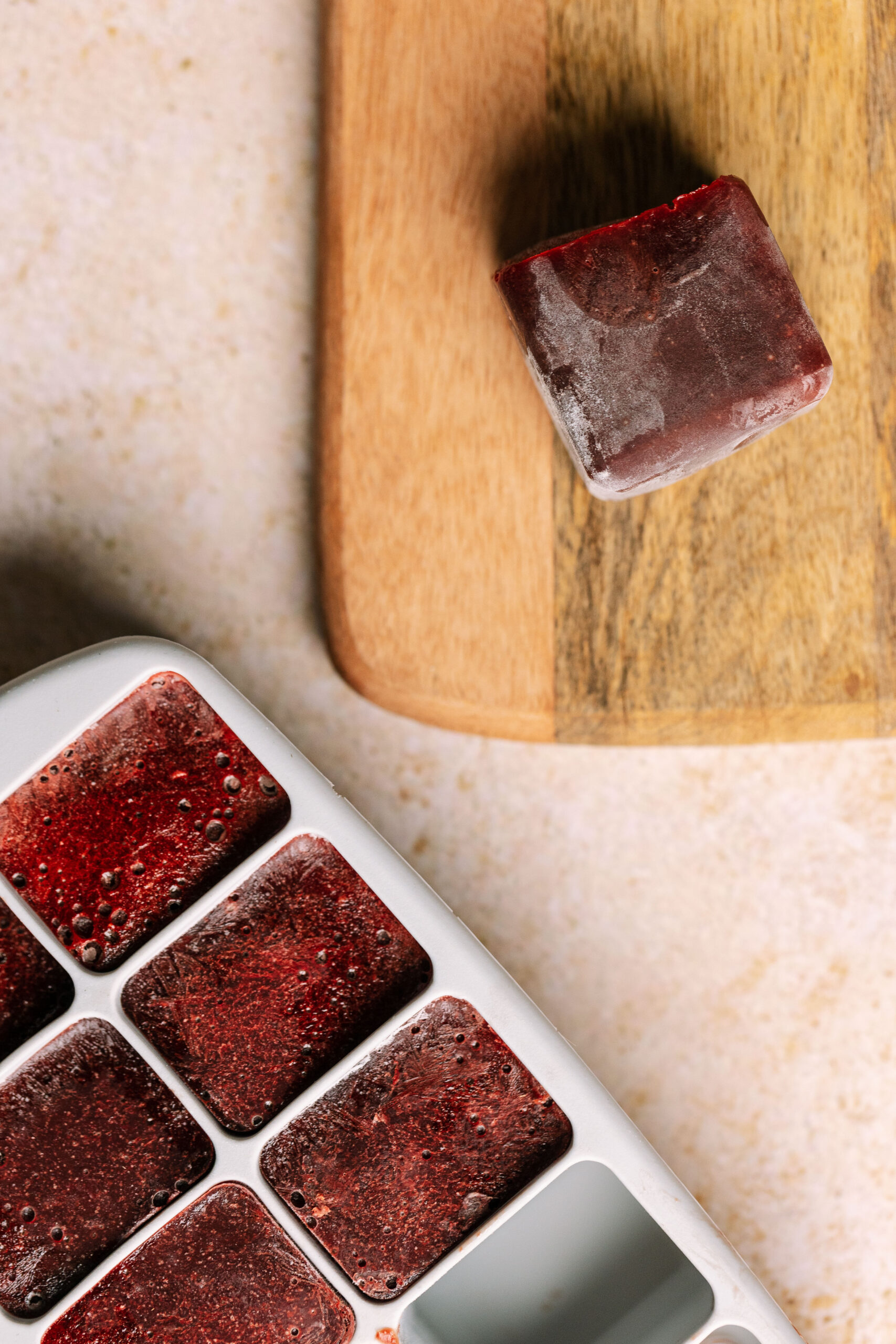
- Liver Bombs
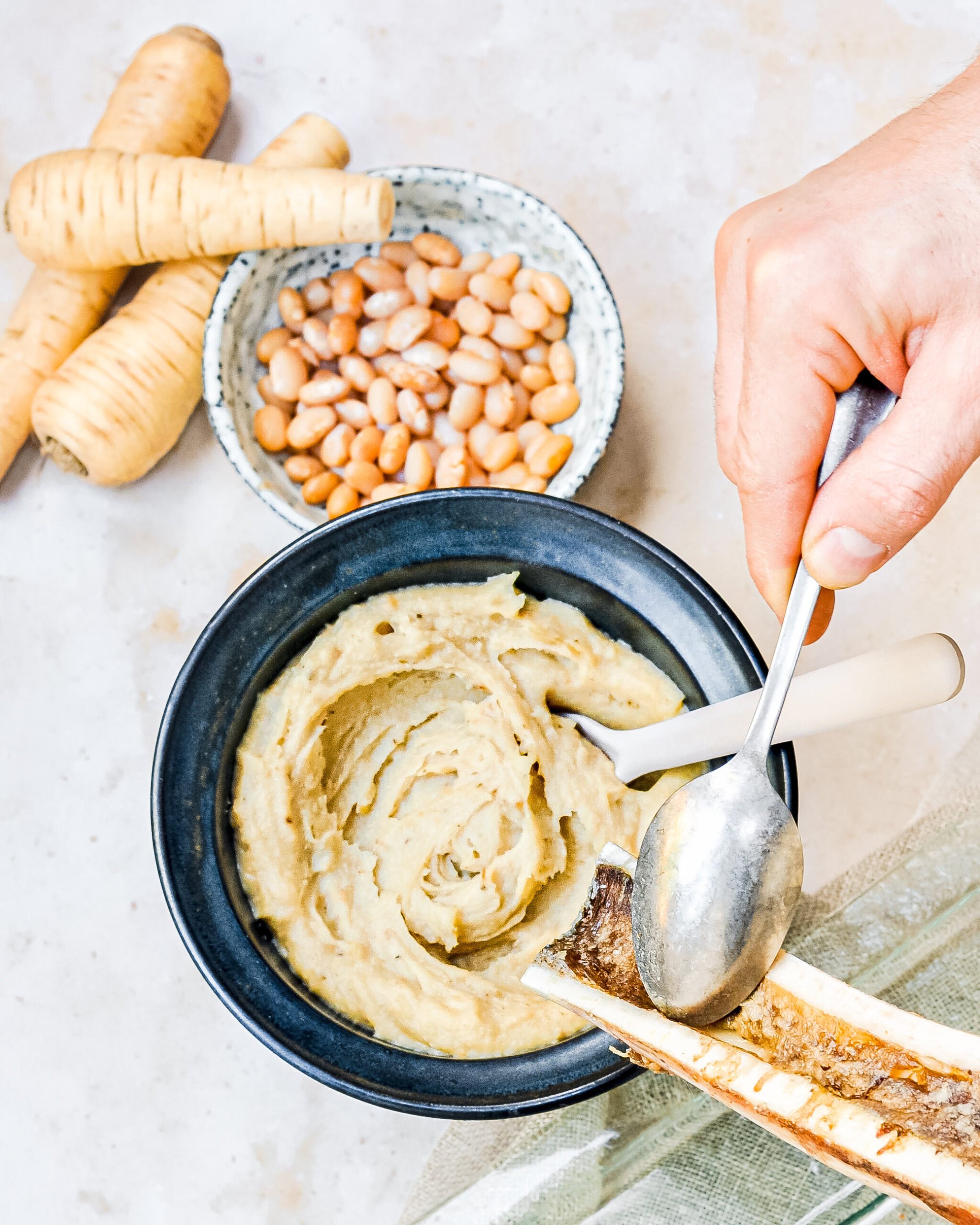
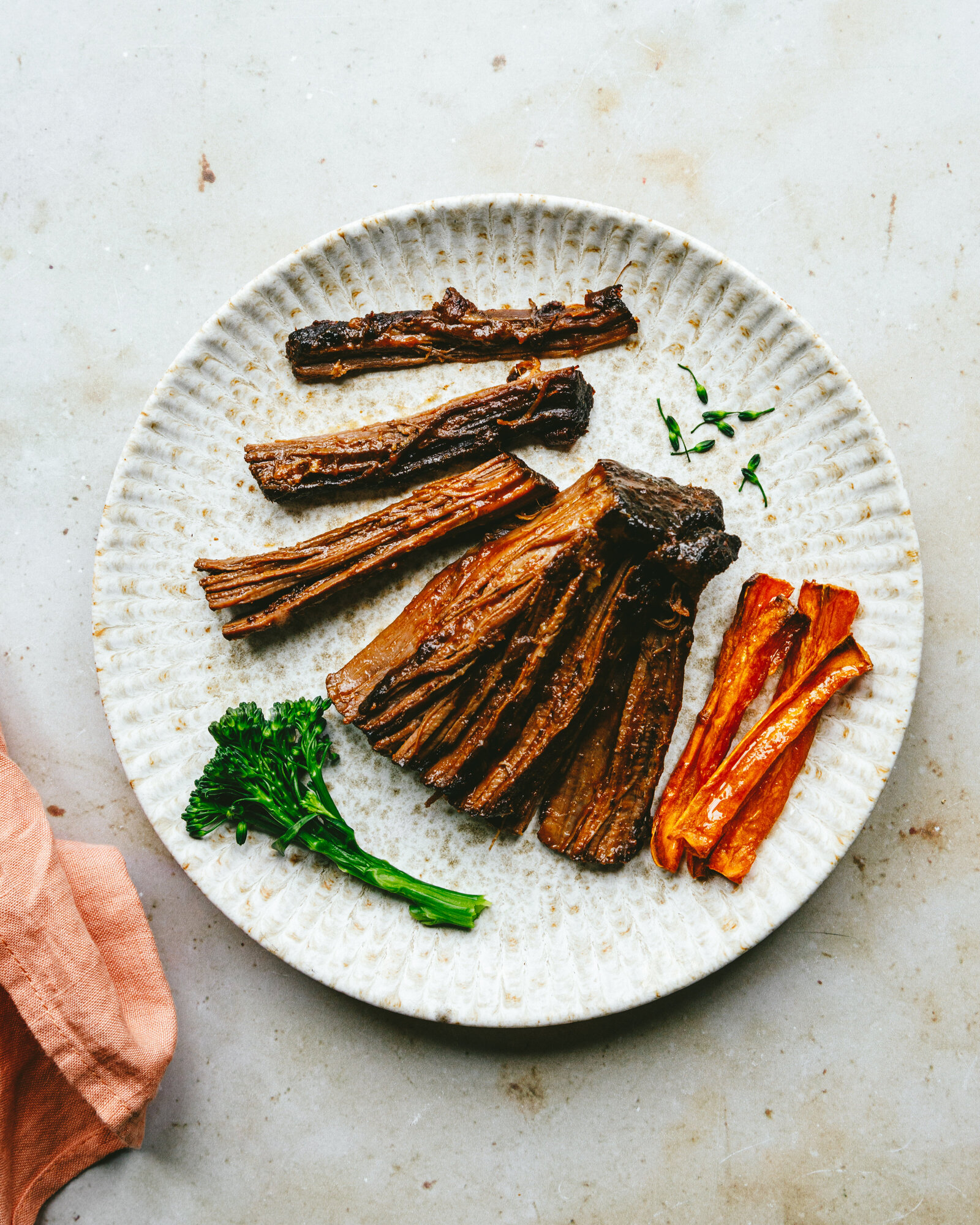
Feeling unsure about how to prepare these foods? That’s where our book Milk to Meals comes in. It’s packed with detailed guidance on starting solids, including recipes and meal ideas that are simple, nutritious, and tailored for your baby’s first foods.
We also have a FREE First Foods Guide which is an excerpt from Milk to Meals. This guide is designed to give you practical, step-by-step advice to make the process easier and more enjoyable for both you and your baby.
The Bottom Line
Starting solids is an exciting time, but it’s also a journey, not a race. Focus on offering nutrient-dense foods, prioritising iron, and introducing allergens safely. Remember, it’s not about finding the ‘perfect’ first food but about offering a variety of nourishing options that support your baby’s development. Keep it fun and relaxed, and follow your baby’s cues—they’re the best guide of all. And remember, you don’t have to do it alone.
With resources like Milk to Meals, our free First Foods Guide and our Starting Solids appointments in our online clinic you’ll feel supported every step of the way.




Back in stock
Toddler to Table now back in stock!
Your guide to bringing the family together, one meal (and delicious recipe) at a time.
Order now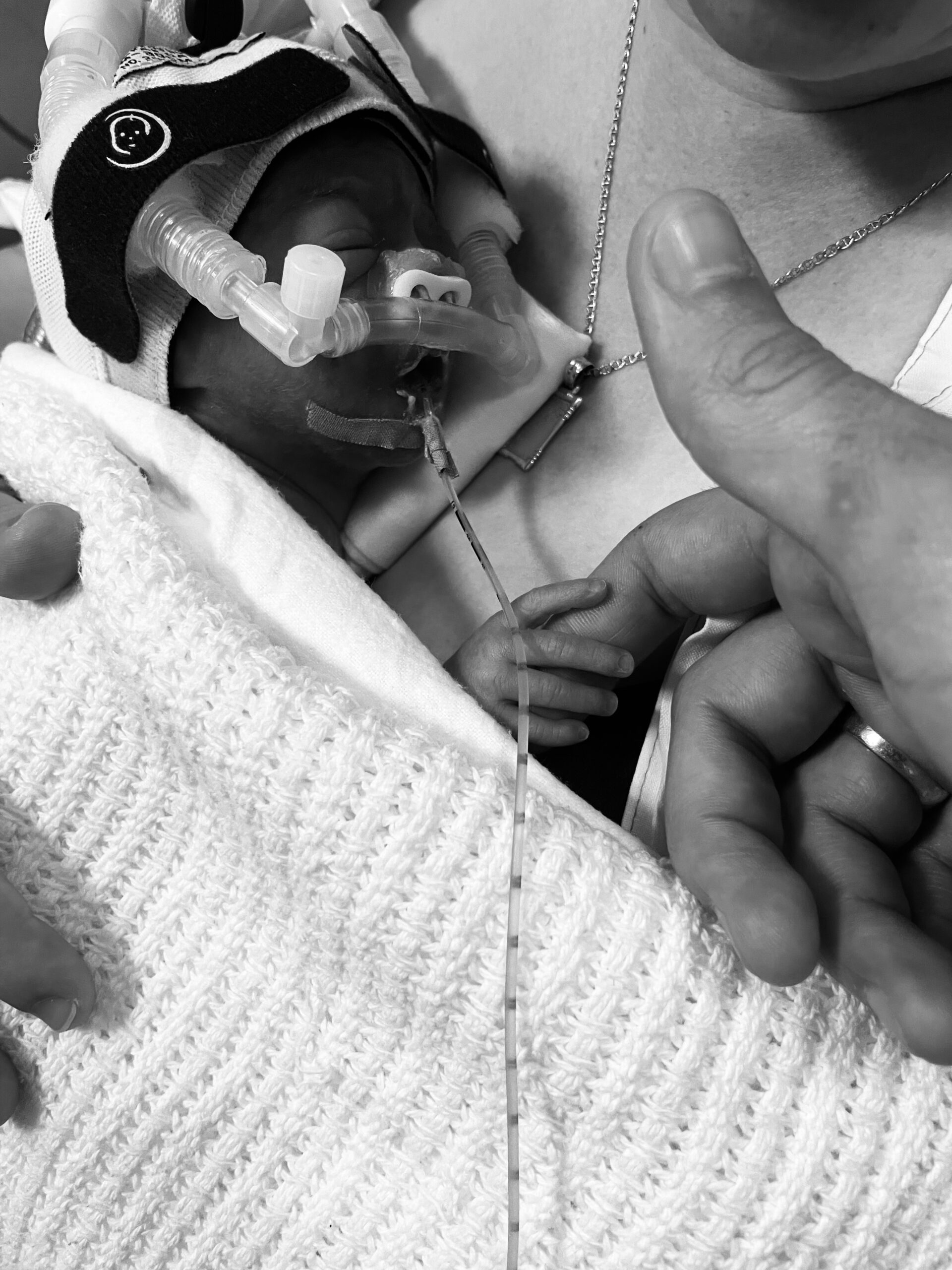
Premature Babies
When to start solids and what to expect.
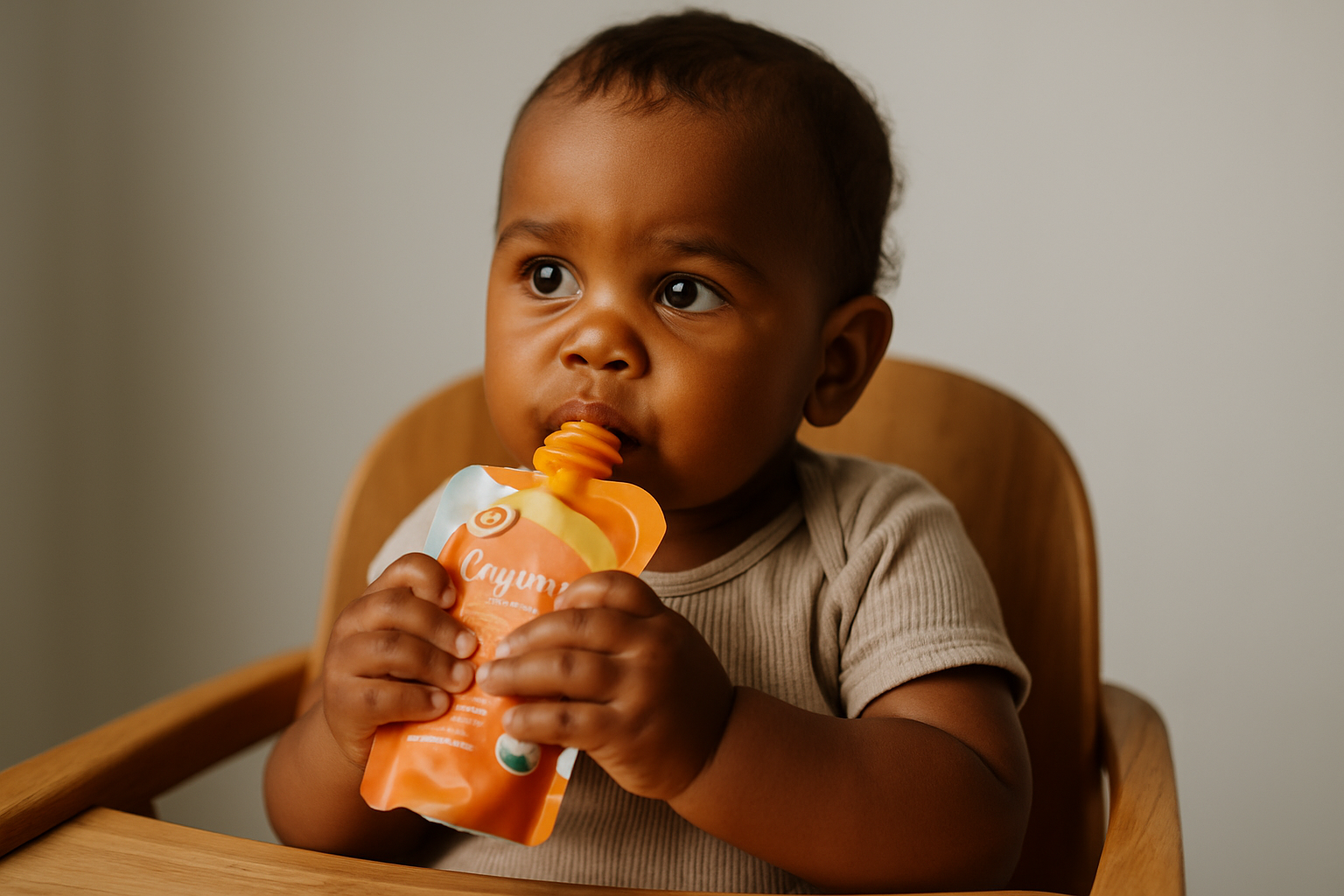
Baby Food Pouches
Food pouches are so convenient but are they doing more harm than good?
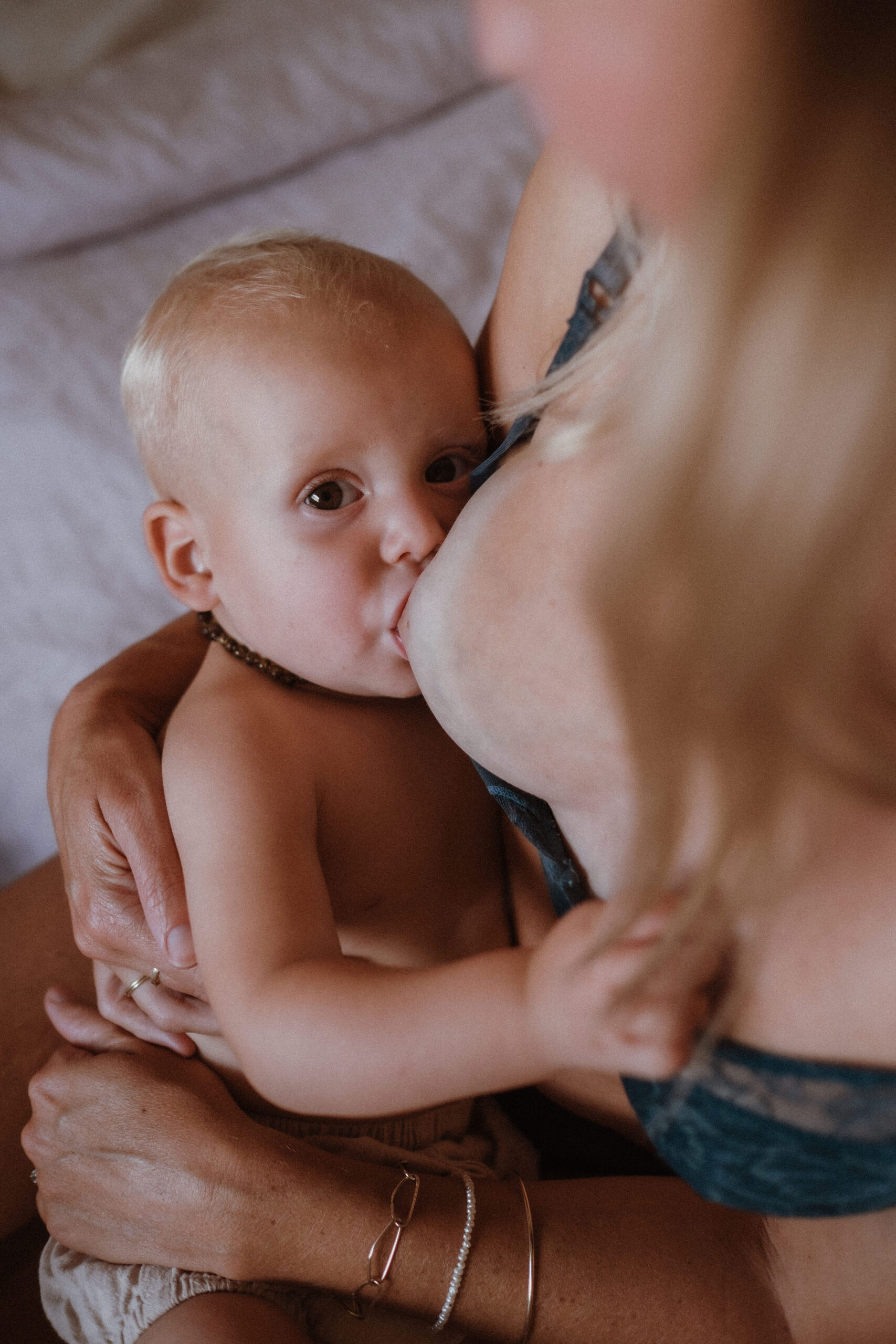
Weaning
How to wean your baby from breastmilk to a balanced diet
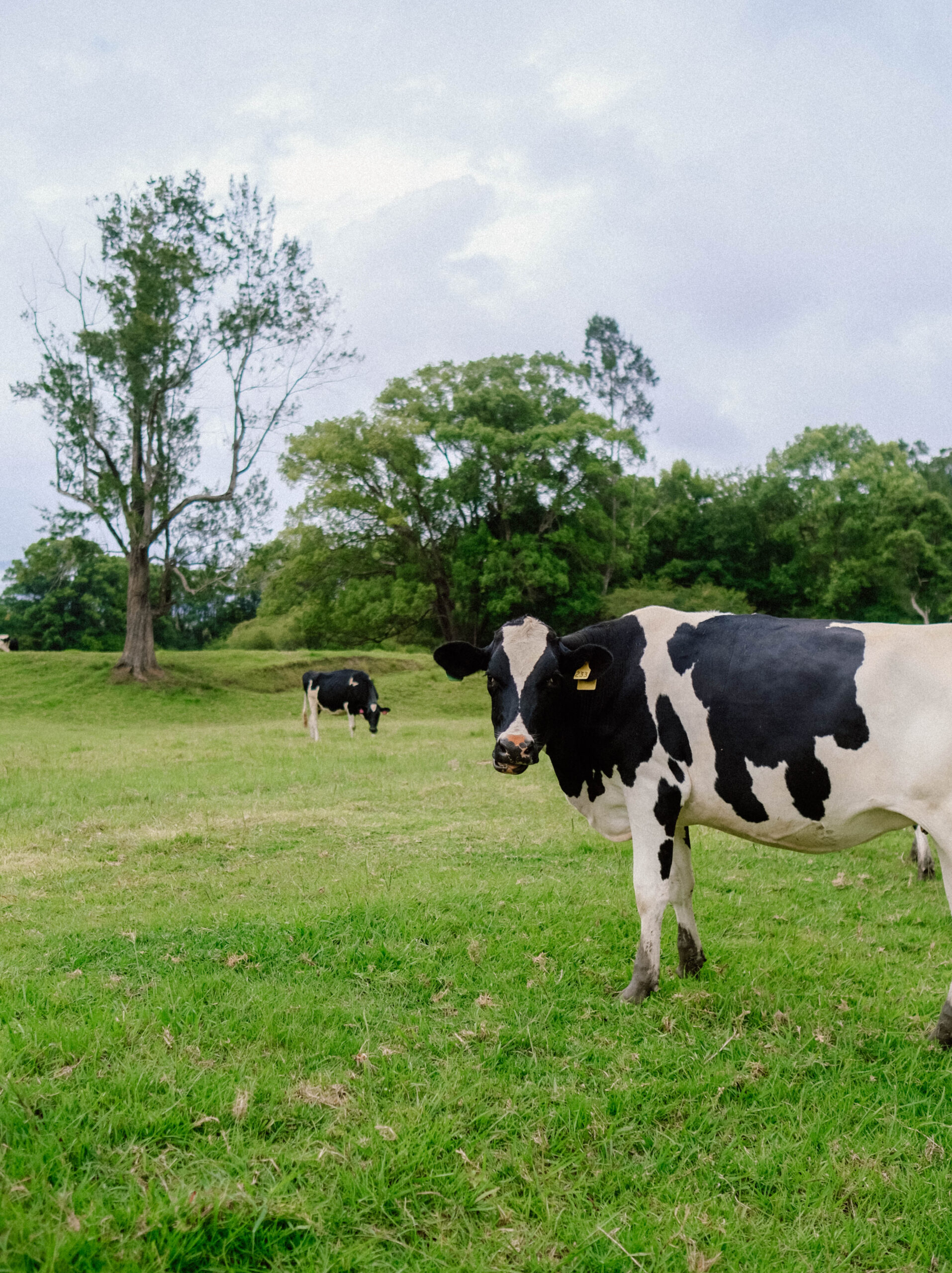
Dairy – Cows Milk
How to introduce dairy to babies, and is cows milk necessary in a toddlers diet?
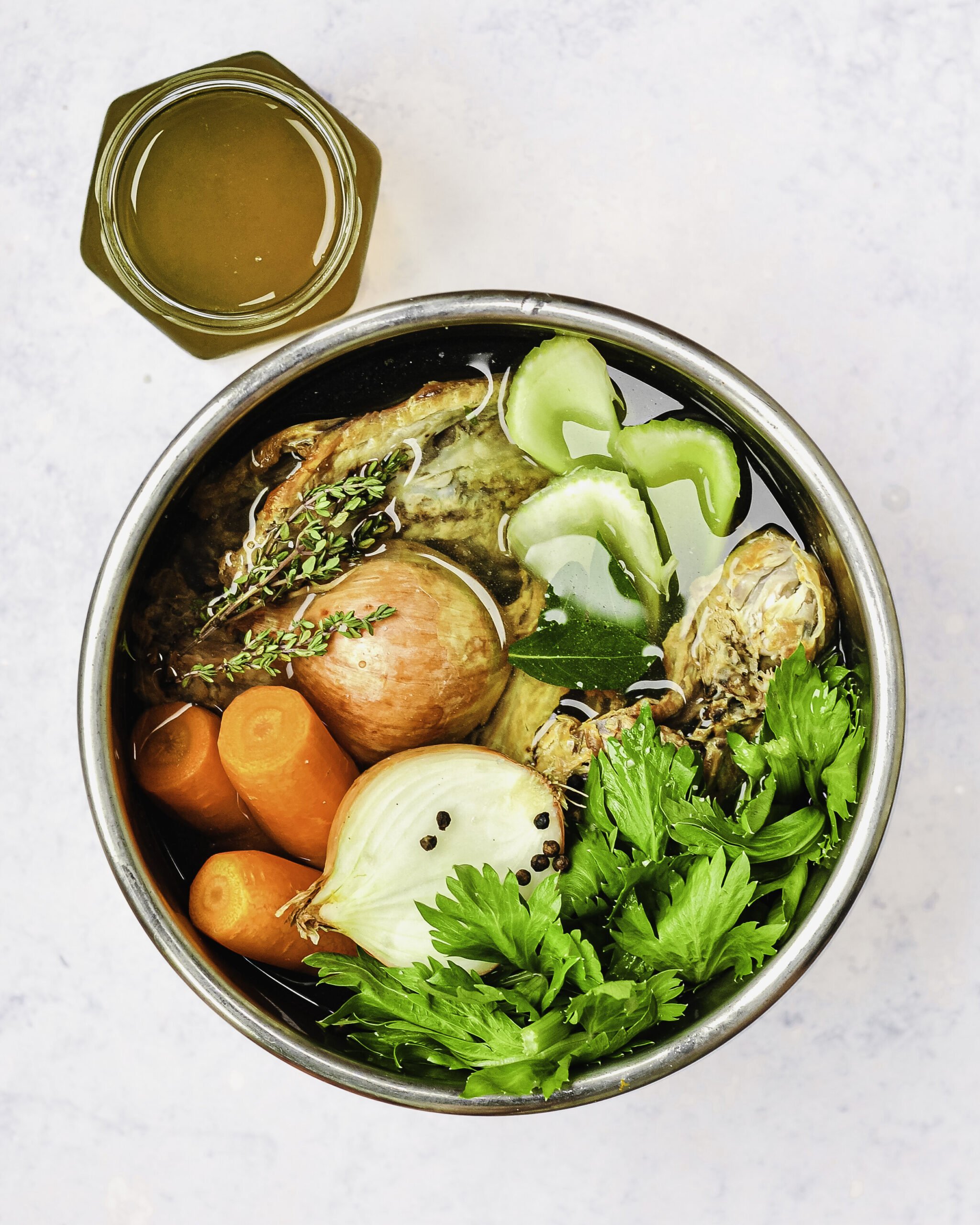
Bone Broth/Meat Stock
Everything you need to know about bone broth
Tongue Ties
What should you do?
Add a comment
Show Comments
0Leave a Comment
Your email address will not be published. Required fields are marked *