

Transitioning from Purees to Finger Foods
A gentle guide for parents
Contents
Back in stock
Toddler to Table now back in stock!
Your guide to bringing the family together, one meal (and delicious recipe) at a time.
Order nowWhile many families embrace baby-led weaning, starting their solids journey with finger foods, others prefer purees or a combination of both. No matter how you begin, introducing finger foods by around nine months is essential. Research suggests that this critical window helps develop chewing skills and can reduce the likelihood of picky eating later on.1
Transitioning to finger foods can feel like a big step. Some babies adapt quickly, while others may need more time to develop the coordination to pick up, chew, and swallow food. This process is full of exciting milestones, but it’s natural for parents to feel unsure about when and how to make the transition.
Here’s everything you need to know to support your baby during this phase, with practical tips for making mealtimes safe, fun and stress-free.
Why Transitioning to Finger Foods is Important
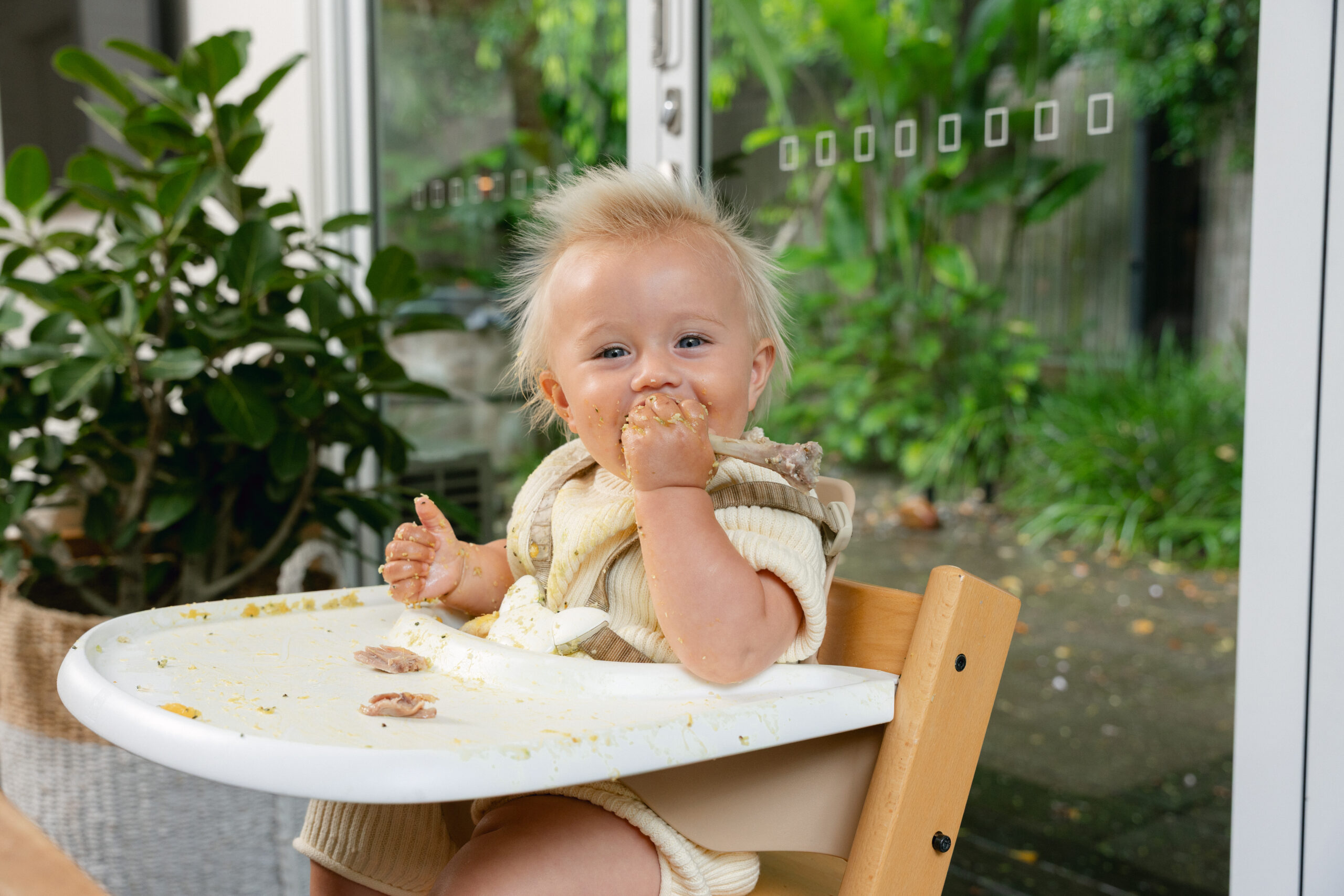
Learning to eat finger foods involves complex skills like grasping, bringing food to the mouth, chewing, and swallowing. Babies need opportunities to practise these skills for proper oral motor development. When you allow your baby to self-feed, they gain vital sensory and motor feedback. This helps them learn to safely manage food in their mouths and build confidence at mealtimes.
Steps to Transition From Purees to Finger Foods
1. Encourage Self-Feeding With Purees
If you’ve been spoon-feeding your baby, start giving them more control. Offer preloaded spoons or encourage them to scoop purees with their hands. This can be messy but sets the stage for self-feeding finger foods. You might also guide their hand to their mouth to build confidence and motor coordination.
2. Model Finger Food Eating
Babies learn by watching you. Share family meals and exaggerate each step—pick up food, bring it to your mouth, chew dramatically, and swallow. Eating from the same plate can also encourage imitation.
3. Choose Safe, Easy-to-Hold Foods
Start with finger-shaped pieces that are soft enough to squish between your fingers. Foods should be long enough to stick out of your baby’s fist and wide enough for an easy grip. Examples include:
- Soft avocado slices
- Thickly cut roasted vegetables
- Pan-fried liver strips
If your baby is closer to nine months, they may manage smaller, bite-sized pieces, but it’s best to start with larger strips to avoid frustration.
4. Introduce Resistive “Teether” Foods
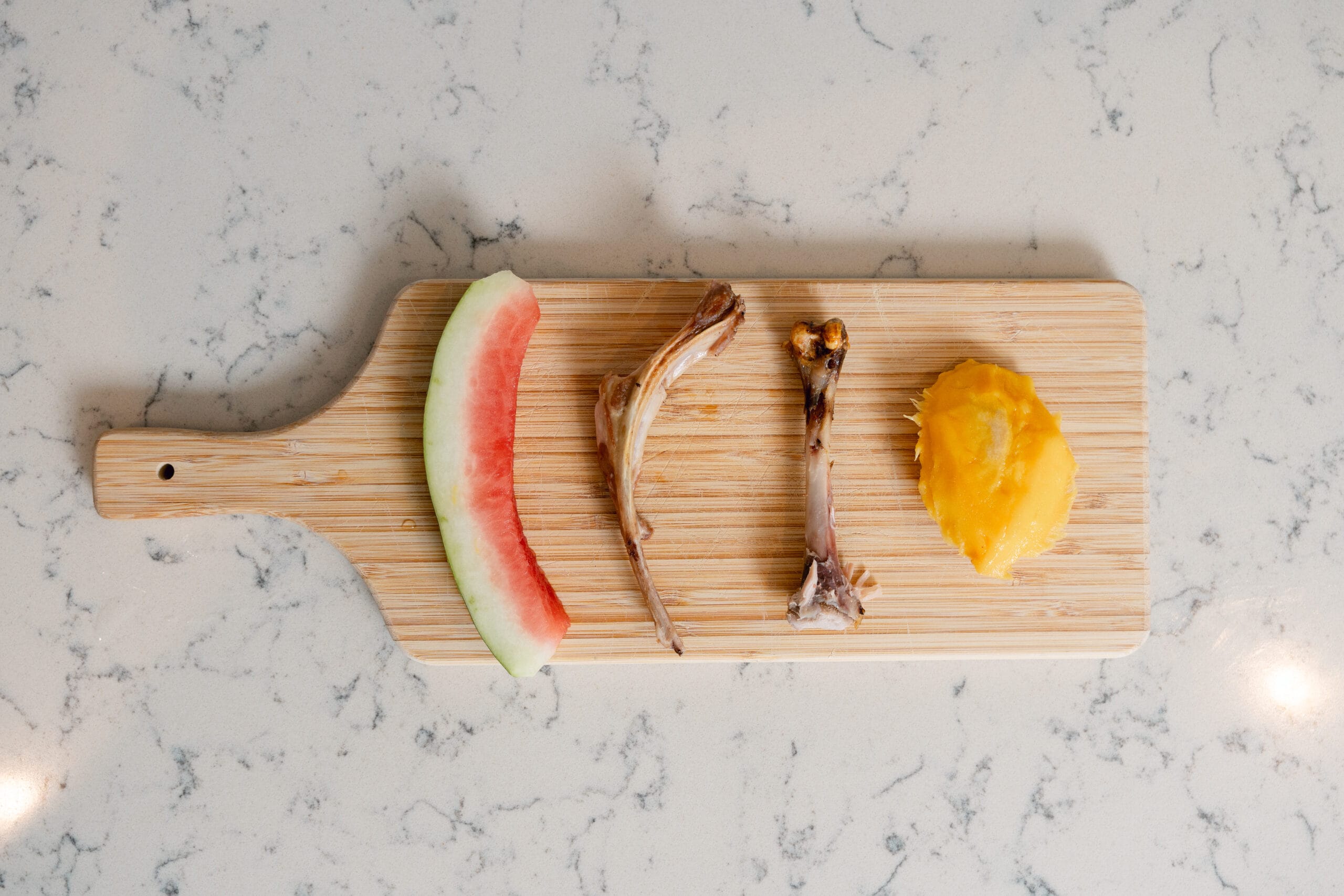
Foods like a chicken drumstick bone, celery stick, watermelon rind, or mango seed can act as transitional tools. These allow babies to explore textures, build oral motor strength, and practise bringing food to their mouths.
5. Experiment With Mealtime Routines
If your baby is hesitant, try mixing things up:
- Offer finger foods alongside familiar purees.
- Serve finger foods first, followed by purees.
- Dedicate one meal a day to finger foods only.
- Dip finger foods into purees for a familiar taste.
6. Support Fine Motor Development
If your baby struggles with grasping or releasing food, encourage these skills outside mealtimes. Simple activities like passing blocks, stacking toys, or posting large coins into a baby-safe piggy bank can improve coordination.
7. Follow Your Baby’s Lead
Some babies dive right into finger foods, while others need time. Be patient and responsive—if your baby seems frustrated, take a break and try again at the next meal.
Safety First: Preparing for Finger Foods
- Highchair Setup: Ensure your baby’s ankles, knees, and hips form a 90-degree angle for stability.
- Food Texture: Soft foods that can be squished between your fingers are ideal for beginners.
- Avoid Mouth Placement: Let your baby self-feed rather than placing food in their mouth. This builds confidence and reduces the risk of choking.
When to Seek Help
If your baby:
- Frequently gags after a few weeks of trying finger foods
- Vomits during meals
- Struggles with weight gain
- Shows no interest in food by eight to ten months
- Reacts strongly to textures
- Doesn’t increase their food intake after 12 months
It’s worth consulting a healthcare professional for tailored advice.
Trust the Process
Transitioning to finger foods is a gradual journey that looks different for every family. Embrace the mess, celebrate the milestones, and remember that it’s okay to feel overwhelmed at times. If you’re seeking personalised support, our team of nutritionists and feeding specialists are here to help guide you through every step.
Want to learn more? Our book Milk to Meals is packed with evidence-based, practical guidance on your baby’s solids journey. We can also offer tailored starting solids consultations with our team of experienced nutritionists, dieticians and naturopaths in our Online Clinic. We’re here to support you from Boob to Food and beyond!
References
- Coulthard, H. & Harris, G. (2009). Delayed introduction of lumpy foods to children during the complementary feeding period affects child’s food acceptance and feeding at 7 years of age. Maternal & Child Nutrition, 5(1),75-85. doi: 10.1111/j.1740-8709.2008.00153
- Shune, S. E., Moon, J. B., & Goodman, S. S. (2016). The Effects of Age and Preoral Sensorimotor Cues on Anticipatory Mouth Movement During Swallowing. Journal of Speech, Language, and Hearing Research, 59(2), 195–205.
- National Heath Service. Your Baby’s First Solid Foods. 2022 https://www.nhs.uk/conditions/baby/weaning-and-feeding/babys-first-solid-foods/accessed 29/06/23.



Back in stock
Toddler to Table now back in stock!
Your guide to bringing the family together, one meal (and delicious recipe) at a time.
Order now
The Division of Responsibility
A framework that makes feeding feel calmer and clearer
Introducing Allergens to Your Baby
When, How & What to Watch For
Premature Babies
When to start solids and what to expect.
Baby Food Pouches
Food pouches are so convenient but are they doing more harm than good?
Dairy – Cows Milk
How to introduce dairy to babies, and is cows milk necessary in a toddlers diet?
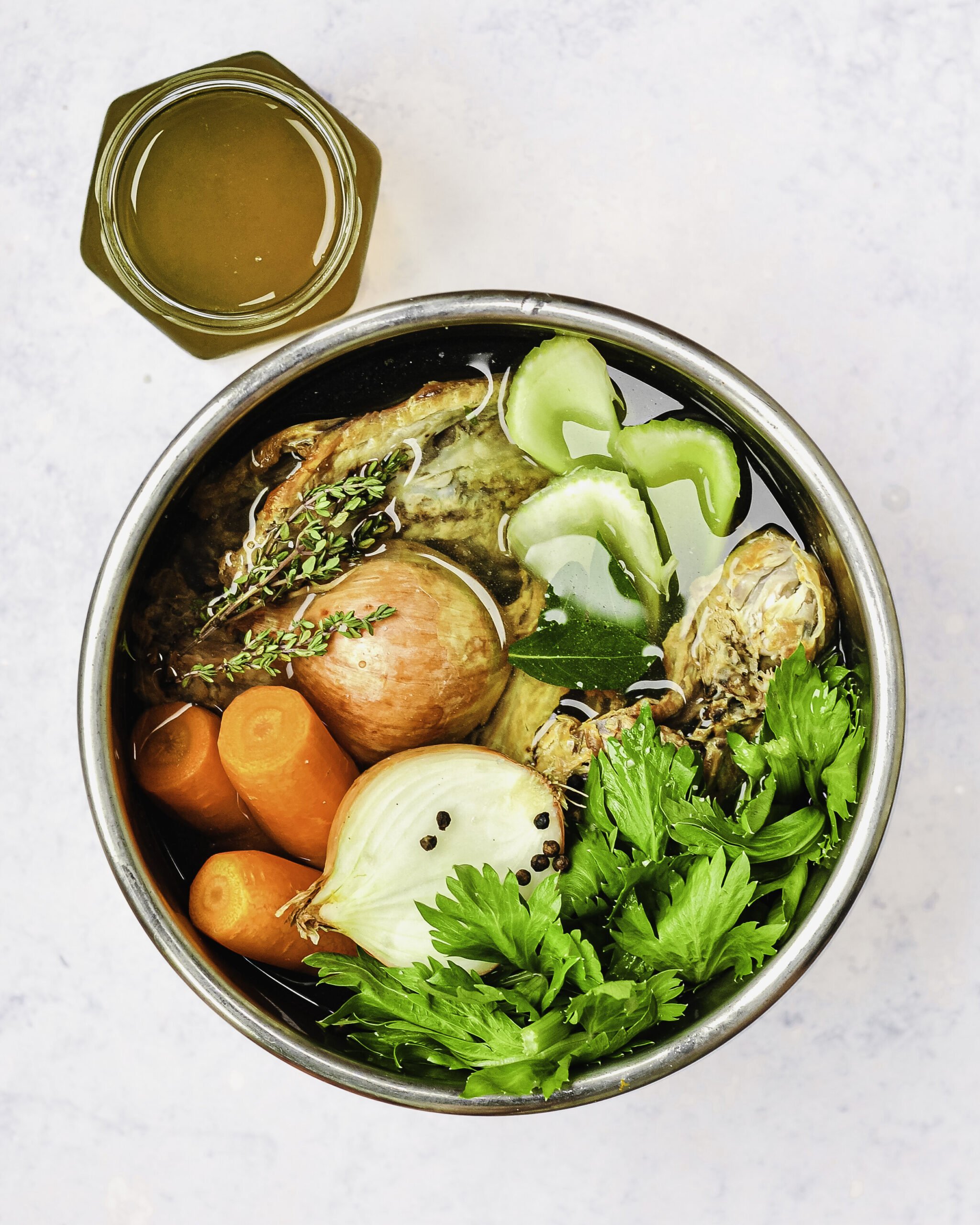
Bone Broth/Meat Stock
Everything you need to know about bone broth

Add a comment
Show Comments
0Leave a Comment
Your email address will not be published. Required fields are marked *