
Sitting Unassisted
Why it's important before starting solids
Contents
Back in stock
Toddler to Table now back in stock!
Your guide to bringing the family together, one meal (and delicious recipe) at a time.
Order nowIntroducing solids is a milestone moment in your baby’s development, but it’s about much more than just food. Among the signs that your baby is ready for solids, one of the most critical is the ability to sit unassisted. But what does this really mean, and why is it so important?
What Is Sitting Unassisted?
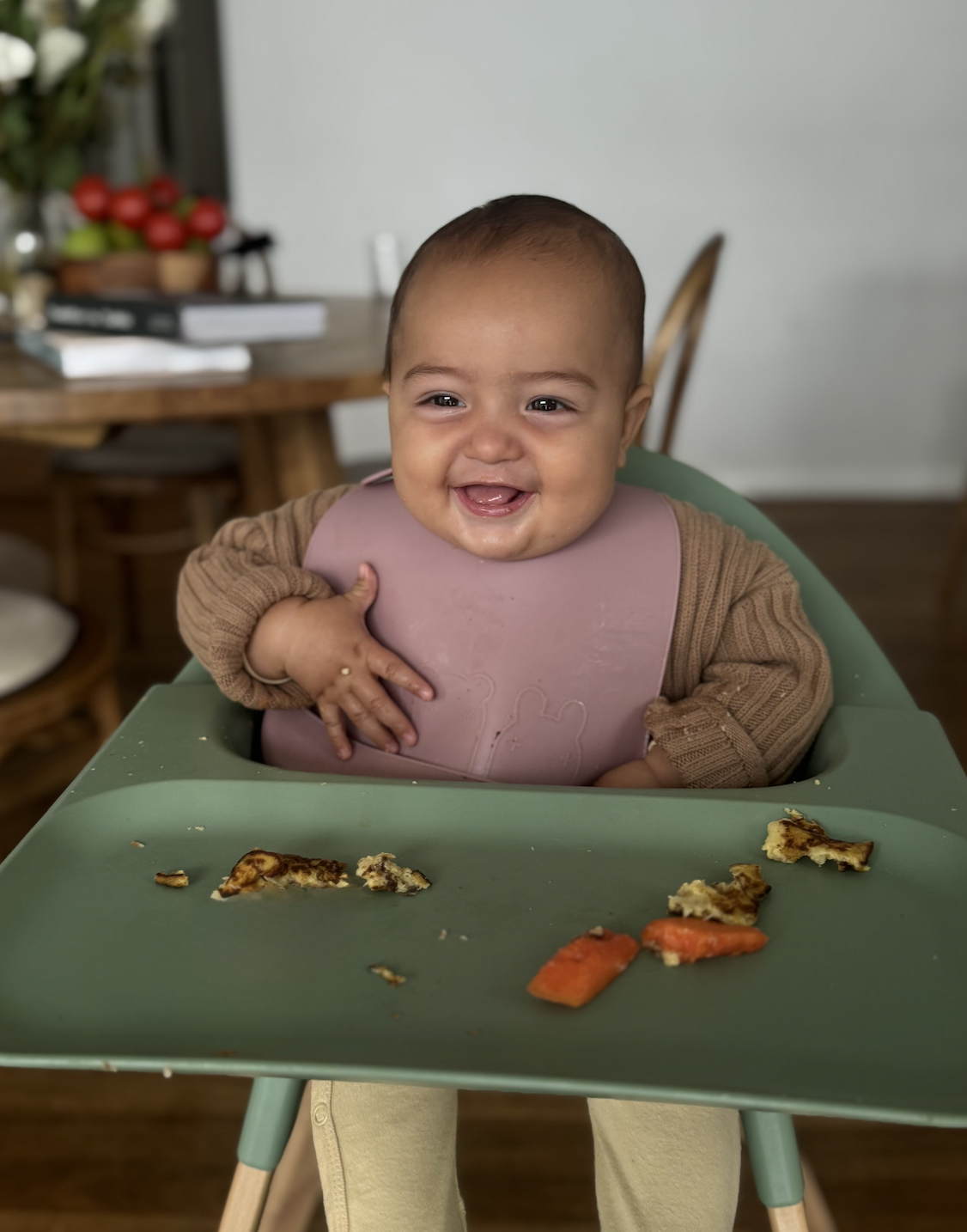
Sitting unassisted – or independent sitting – means your baby can sit upright on their own without the support of a caregiver, a highchair, or other props. This involves not just staying upright but also maintaining balance and stability when reaching for objects or moving their head and arms. For example, if you place your baby in a highchair, they should be able to sit without slouching forward or leaning to the side.
This milestone is a reflection of your baby’s neurodevelopmental progress. It demonstrates that they have developed enough postural control, core strength, and coordination to manage sitting safely while exploring the new world of solid foods.
Why Is Sitting Unassisted Important Before Solids?
Independent sitting is a key sign that your baby’s body is physically ready for the challenges of eating solids. Here’s why:
1. Safety
When your baby can sit independently, they have better head and neck control, which helps protect their airway during eating. Without this ability, they may struggle to manage food safely, increasing the risk of choking.
2. Postural Stability
Eating requires more than just the mouth and hands—it’s a full-body activity! Stable posture allows your baby to focus on moving food to their mouth, exploring textures, and chewing without becoming fatigued or uncomfortable. This is supported by good trunk stability, which develops through activities like tummy time, rolling, and supported sitting.
3. Motor Skill Development
Independent sitting also enables babies to use their hands freely for activities like picking up food, holding a spoon, and exploring textures. These fine motor skills are an essential part of early development.
4. Social and Cognitive Engagement
Sitting upright allows babies to interact more actively during family mealtimes, observe others, and participate in the social aspects of eating. This interaction plays an important role in building social skills and routines.
How Can You Tell if Your Baby Is Ready?
Look for the following signs of readiness, which typically appear around 6 months of age:
- Good Head Control: Your baby can hold their head steady and move it with ease.
- Trunk Stability: Your baby can sit without support and stay upright while reaching for objects.
- Postural Reflexes: Your baby uses their arms to prevent falling to the side or forward (propping reflexes).
- Fine Motor Skills: Your baby can grasp food with their hands and bring it to their mouth.
Supporting Your Baby’s Development
If your baby isn’t yet sitting unassisted, there are simple exercises you can do to encourage strength and coordination:
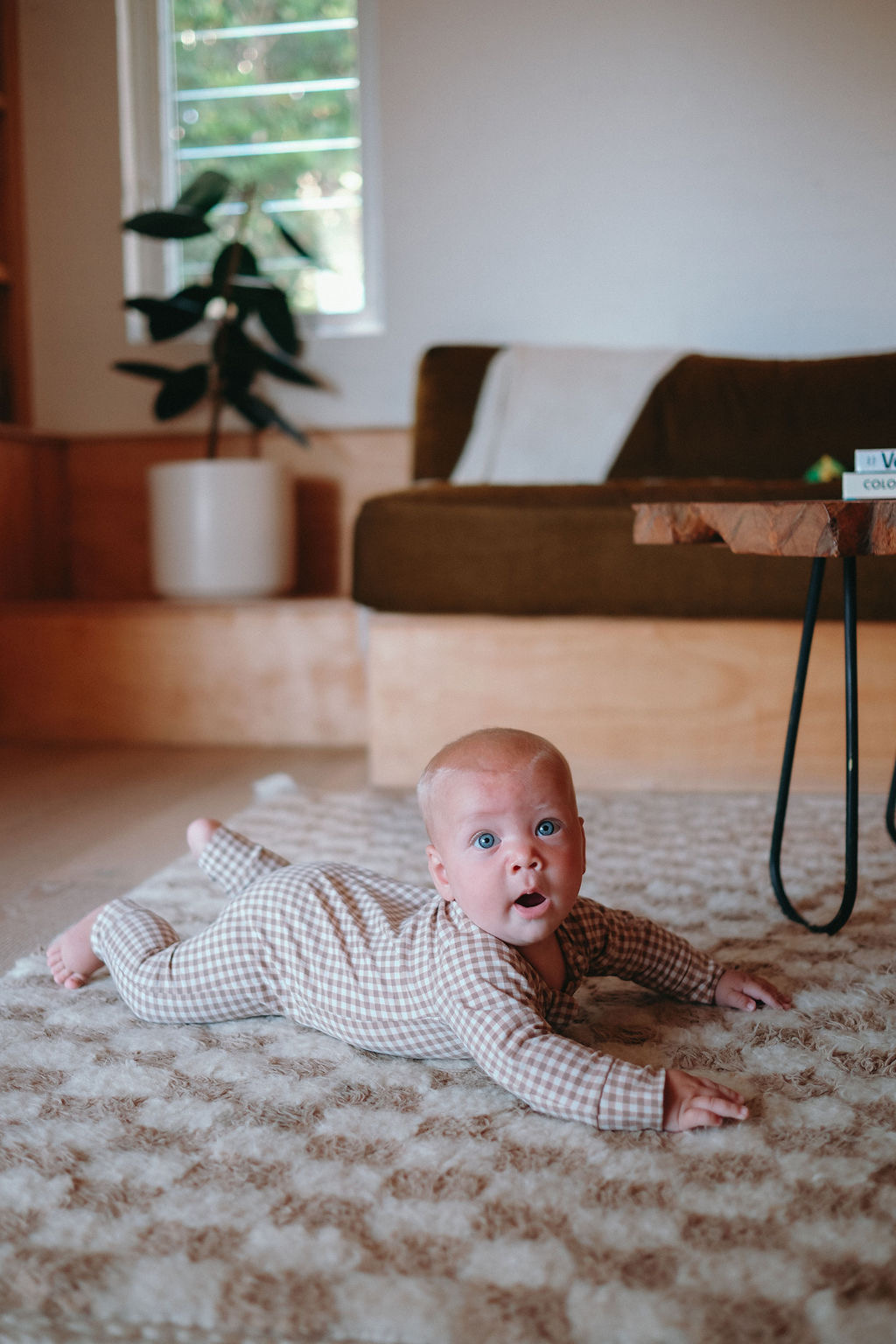
- Tummy Time: Helps develop core strength and postural control.
- Sitting Practice: Place your baby in a seated position and gently rock them side to side to engage their trunk muscles.
- Pull-to-Sit: Slowly guide your baby from lying to sitting while encouraging them to activate their neck and core.
- Floor Play: Provide plenty of time for rolling, reaching, and exploring on the floor.
Setting Up for Success
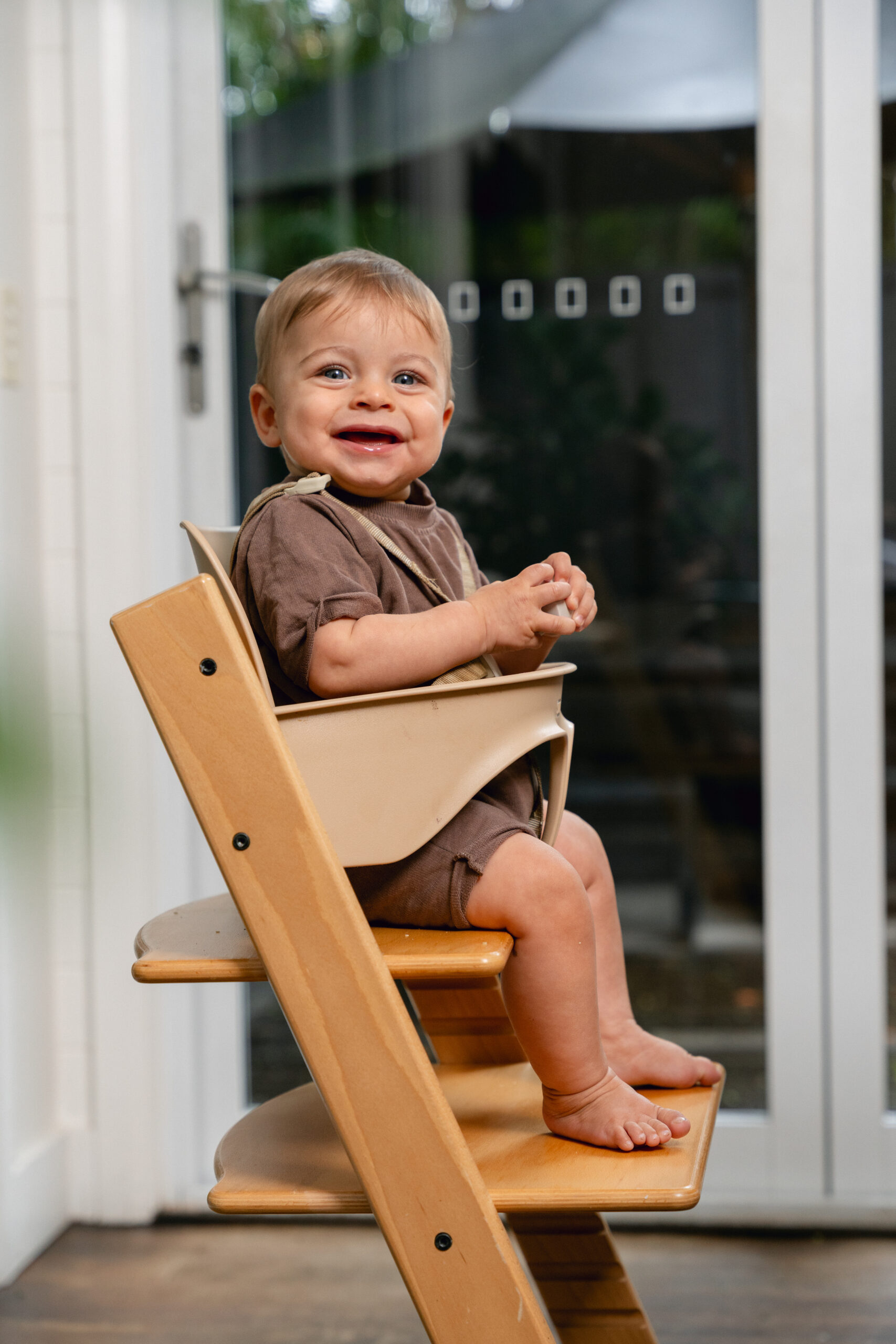
When your baby is ready to start solids, make sure their highchair provides a safe and supportive environment. Look for a chair with:
- A secure five-point harness.
- A footrest to support grounded, stable posture.
- Good back support to help your baby sit comfortably and confidently.
If you notice signs that your baby is uncomfortable, unstable, or unable to maintain good posture, it may be a sign they’re not ready for solids just yet.
For more information you can check out our comprehensive blog on choosing a highchair HERE.
When to Seek Help
If your baby is approaching 6 months and still struggles with independent sitting, it can be helpful to consult a pediatric chiropractor or physiotherapist. They can assess your baby’s development and offer tailored guidance.
A Smooth Transition to Solids
By waiting until your baby is physically ready and providing a safe eating environment, you can make the transition to solids a fun and positive experience. Independent sitting is a vital part of this journey, ensuring your baby feels confident and secure as they explore new flavours and textures at the family table.


Back in stock
Toddler to Table now back in stock!
Your guide to bringing the family together, one meal (and delicious recipe) at a time.
Order now
The Division of Responsibility
A framework that makes feeding feel calmer and clearer
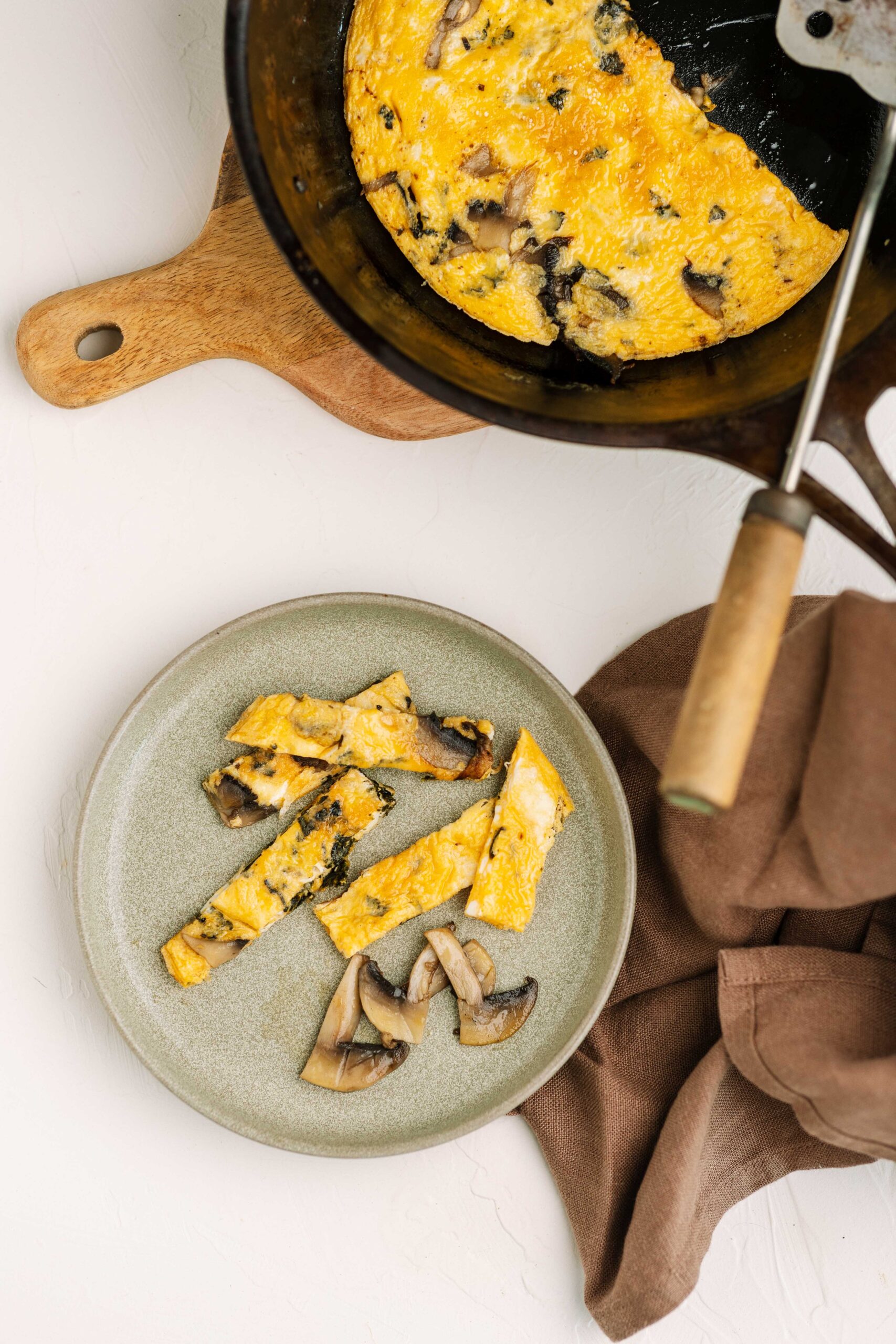
Introducing Allergens to Your Baby
When, How & What to Watch For
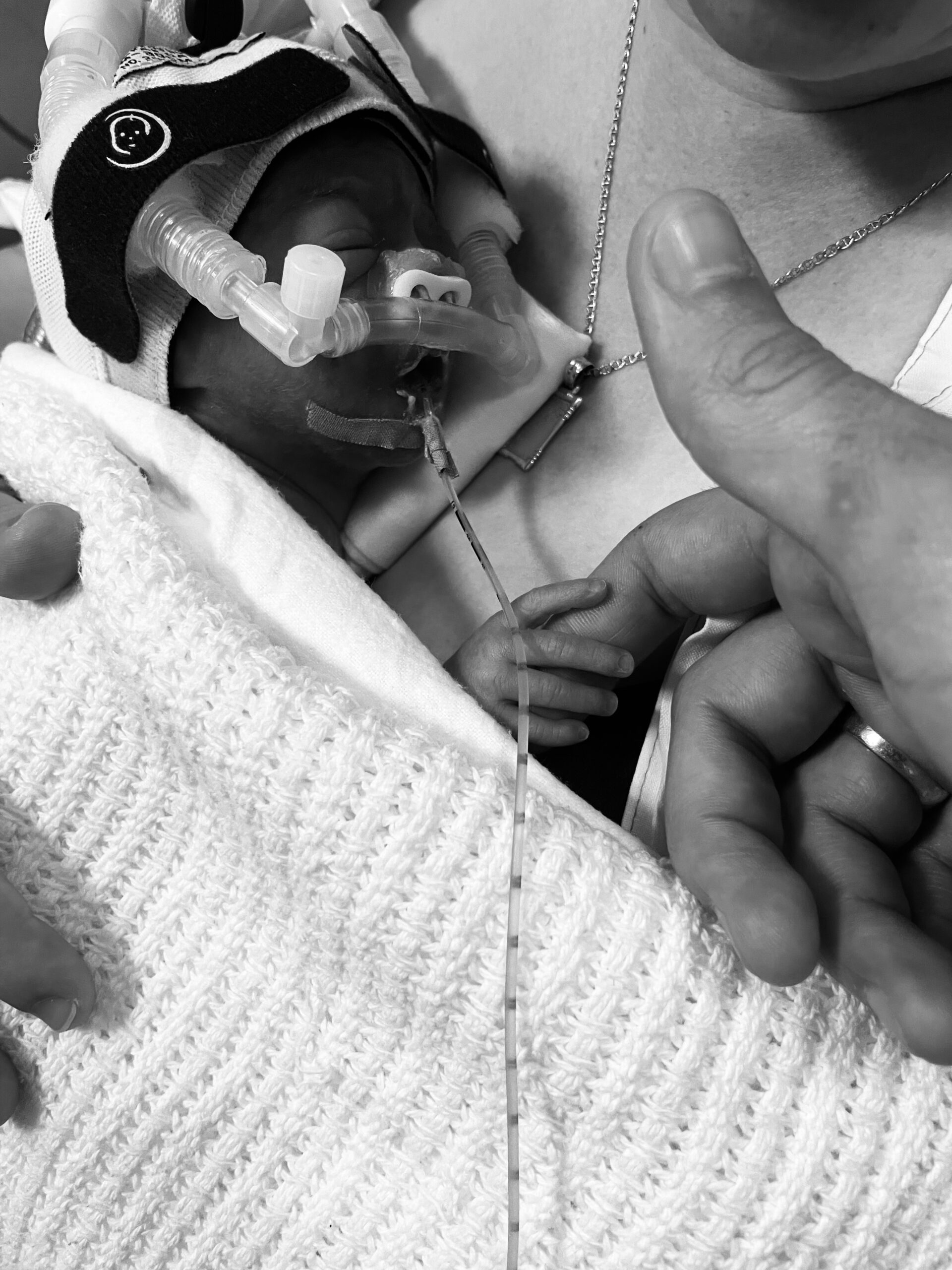
Premature Babies
When to start solids and what to expect.
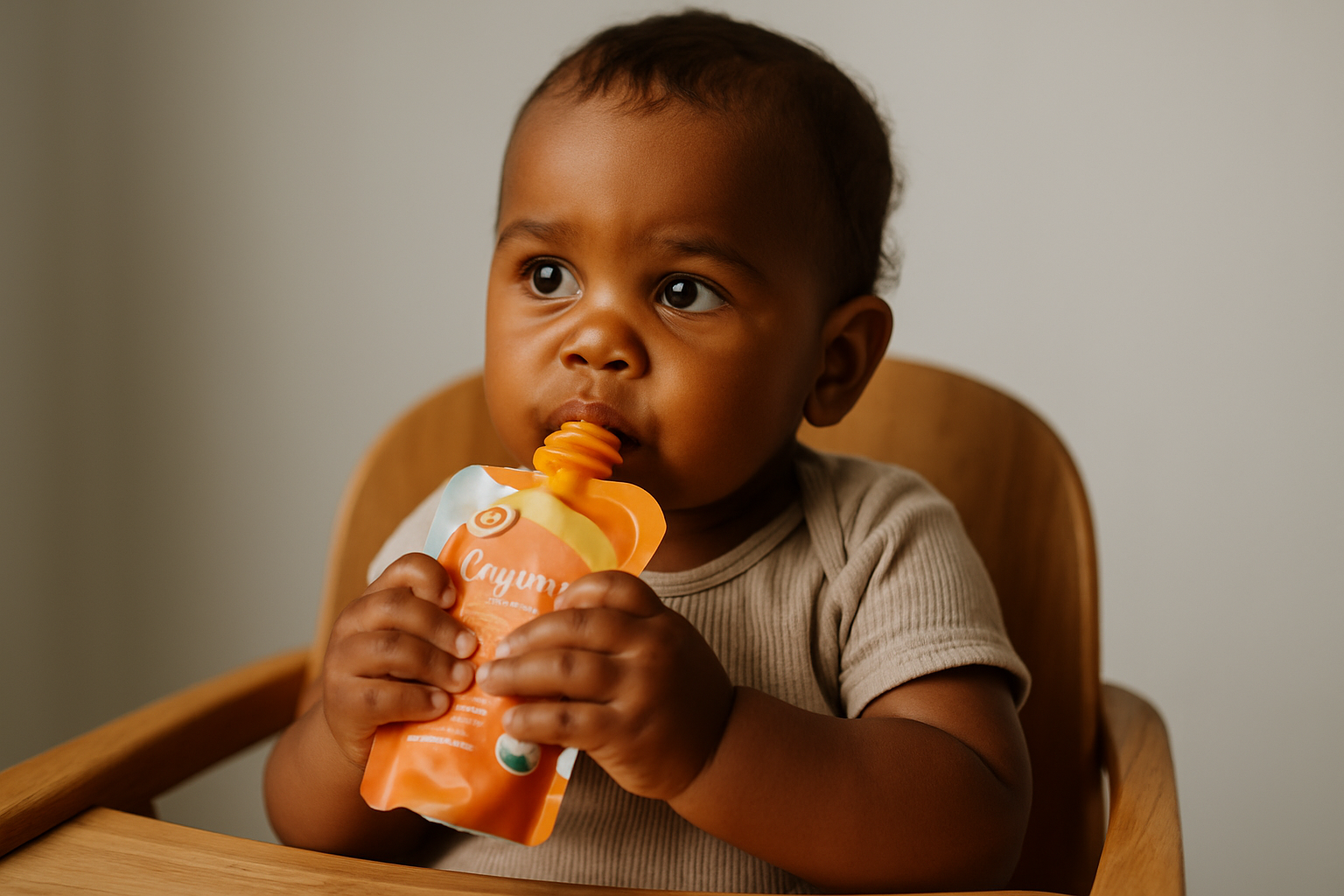
Baby Food Pouches
Food pouches are so convenient but are they doing more harm than good?
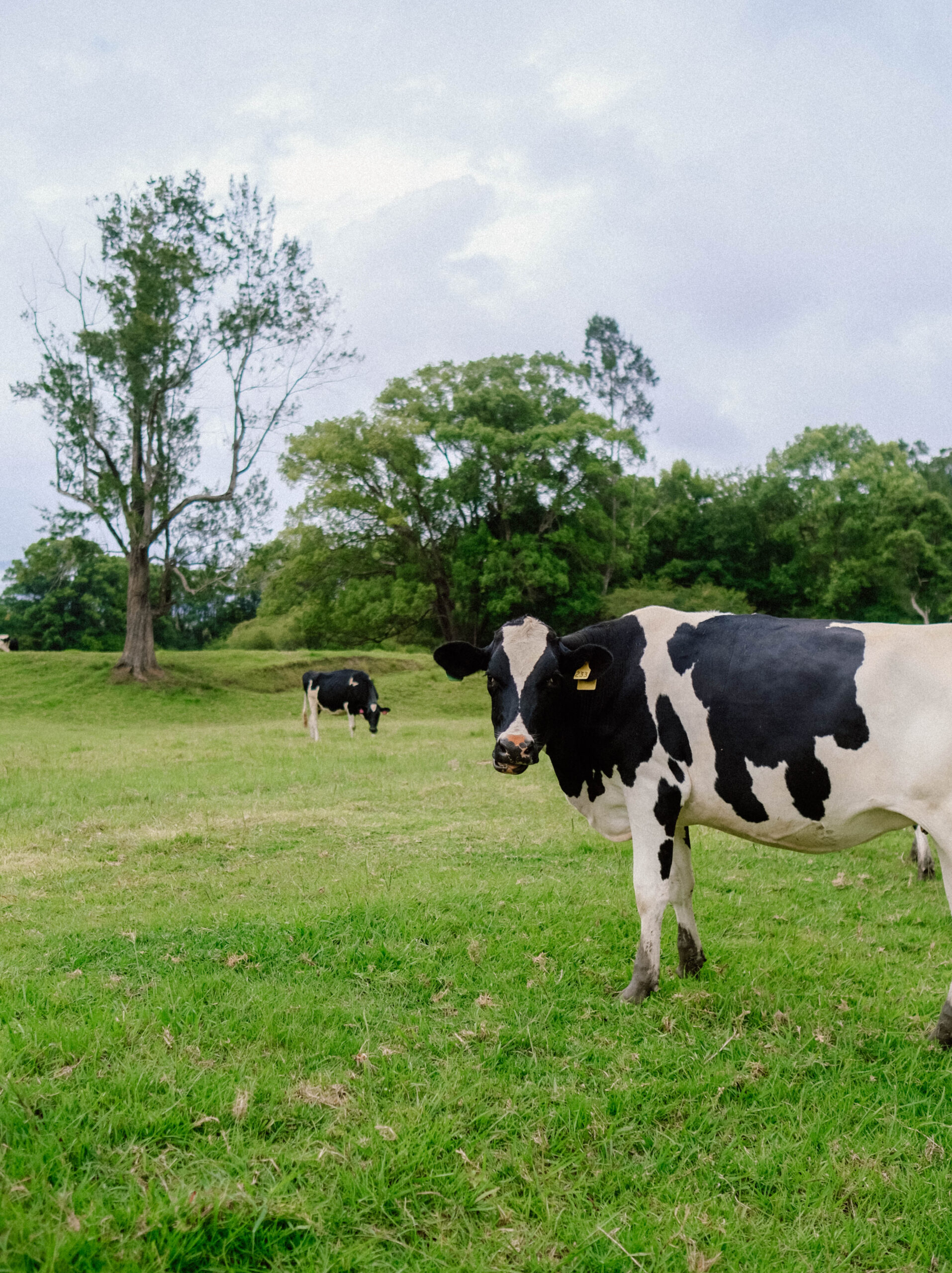
Dairy – Cows Milk
How to introduce dairy to babies, and is cows milk necessary in a toddlers diet?
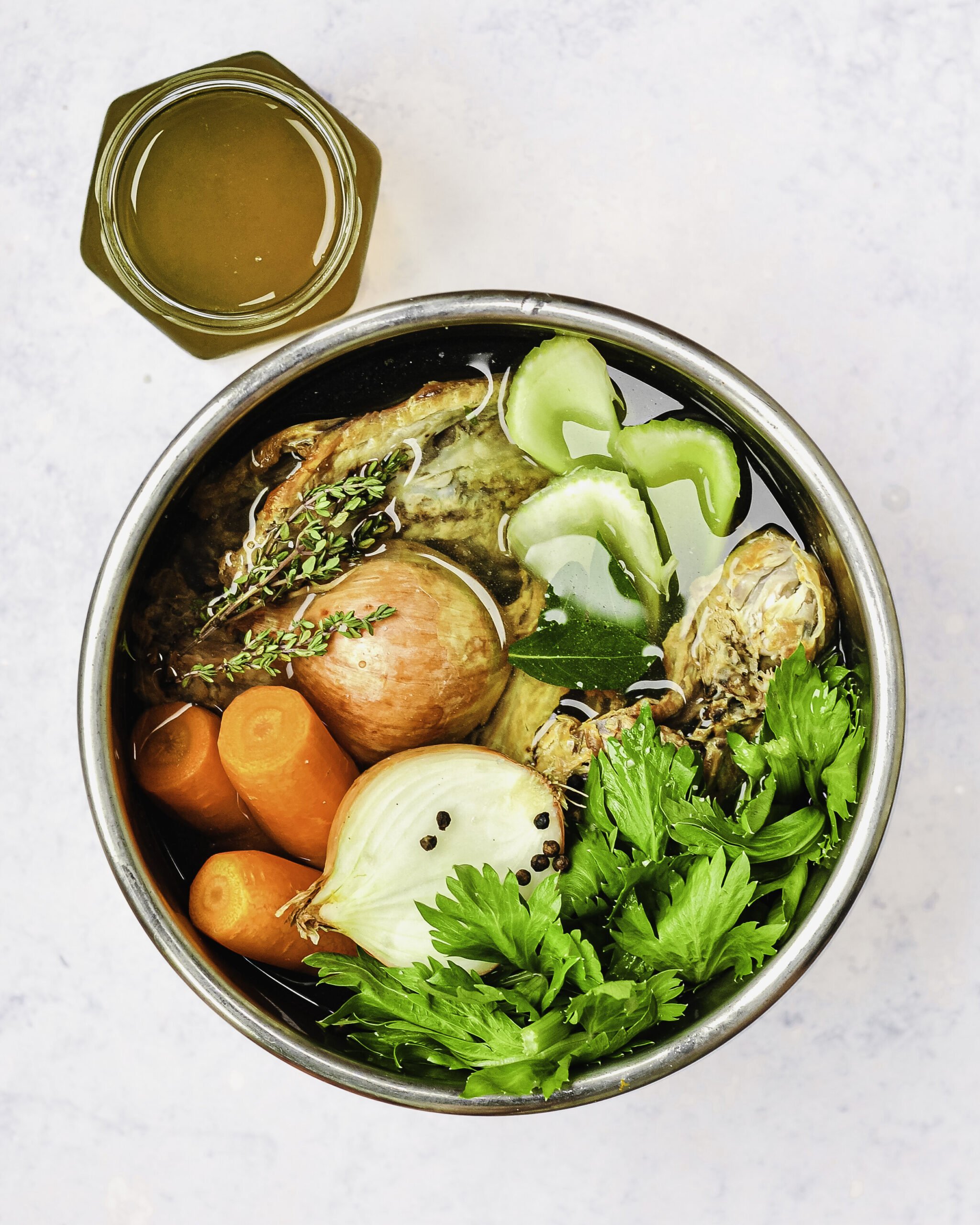
Bone Broth/Meat Stock
Everything you need to know about bone broth
Add a comment
Show Comments
0Leave a Comment
Your email address will not be published. Required fields are marked *