


BLW vs Spoon Feeding
Which Approach Is Right For Your Family?

Contents
Back in stock
Toddler to Table now back in stock!
Your guide to bringing the family together, one meal (and delicious recipe) at a time.
Order nowWhen it comes to introducing solids to your baby, the options can feel overwhelming. You’ve probably heard terms like spoon-feeding and baby-led weaning (BLW) and you may be wondering which method is best for your little one. Every baby is unique and some might make the decision for you.
Let’s break down the pros and cons of each feeding method so you can decide what’s best for your family, keeping in mind that it’s ok to adjust as you go.
Before we dive in there are two golden rules.
Firstly, when making choices about how to introduce solids to your baby (and how to feed them as they continue to grow) the most important thing to keep in mind is feeding responsively. Responsively feeding our little ones means that we are sensitive to their preferences and developmental readiness signs. Are they continually gagging on finger foods? Or are they disinterested in spoon-feeding? Whatever approach you choose to begin with, responding to your baby and providing foods and opportunities accordingly, is what is truly baby-led. Responsive feeding has been demonstrated to result in significantly improved dietary intake, growth and development in little ones.1
And secondly, if you do choose to start with spoon-feeding, try adding some finger foods by 9 months to support self-feeding skills and reduce the risk of a variety of feeding difficulties.2
Spoon-Feeding: The Traditional Approach
Spoon-feeding is the classic method where you feed your baby pureed or mashed food using a spoon. This method is often the first approach parents consider when starting solids and can be a great option if you’re feeling anxious about finger foods or if your baby has specific health needs.
Advantages of Spoon-Feeding:
- Clean and Tidy: Spoon-feeding can be less messy compared to finger foods, especially in the early stages of weaning.
- Controlled Intake: You can closely monitor how much food your baby is eating, which can be reassuring if you’re concerned about slow weight gain or nutritional intake.
- Can be less stressful for parents: For parents worried about choking or food waste, spoon-feeding can provide a sense of security and control.
Potential Disadvantages:
- Risk of Over-Feeding: Spoon-feeding may lead to over-feeding, as you’re in control of the pace. This could also disrupt your baby’s natural ability to self-regulate hunger.
- Less Family Mealtime Interaction: Spoon-feeding is more likely to take the baby away from the “family meal” and can often mean baby is eating at a different time from the family. This means babies may miss out on the opportunity to observe and imitate family members eating, which is a crucial part of learning about food.
- Less exposure to textured foods: Babies who are spoon-fed do not have the same amount of exposure to textured foods, which may increase their chance of having picky eating tendencies in the future. Studies show that this risk is minimised when finger foods are introduced by 9 months of age.3
- Limited Food Exploration: Purees don’t offer the same tactile experience as finger foods, so your baby may miss out on some sensory exploration (e.g., touching, seeing, and playing with food).
How to Minimise Challenges:
- Let Your Baby Lead: Try to allow your baby to dictate when they want the next mouthful. Avoid pressuring them with phrases like “just one more bite,” as this can disrupt their self-regulation skills.
- Encourage Self-Feeding: Even if you’re spoon-feeding, offer your baby a spoon to hold and play with. You can also let them explore purees on their tray.
- Smooth Consistency: Ensure purees are very smooth, with no chunks, to prevent choking risks.
- Transition to Finger Foods by 9 Months: It’s important to introduce finger foods by around 9 months to help your baby develop chewing skills and become accustomed to different textures.4
Baby-led Weaning (BLW)
Baby-led weaning (BLW) is a method where your baby is given finger foods right from the start and encouraged to feed themselves. This approach is gaining popularity for its emphasis on baby autonomy and exploration.
Advantages of BLW:
- Self-Regulation: Your baby controls how much they eat, which helps them learn to self-regulate their appetite – a key component of developing healthy eating habits later in life.
- Sensory Exploration: BLW provides your baby with a variety of textures, flavors, and smells. This not only makes mealtimes more interesting but also supports the development of healthy, adventurous eating habits.
- Chewing and Gag Reflex: BLW allows your baby to practice chewing and helps desensitize their gag reflex, teaching them how to manage food safely in their mouth.
- Pincer Grip Development: By handling finger foods, your baby will develop fine motor skills, like the pincer grip, which are essential for other tasks later on.
- Family Meals: With BLW, your baby can eat what the family eats, which can simplify mealtime preparation and help create a more inclusive dining experience.
Potential Disadvantages of BLW:
- Messy: As you can imagine, finger foods can get very messy, especially in the beginning!
- Food Waste: Some of the food might end up on the floor or be discarded by your baby as they learn to feed themselves.
- Less Food Intake: Babies feeding themselves may eat less at each meal compared to spoon-fed babies, which might concern some parents.
- Gagging: While gagging is a normal part of BLW and a way for babies to learn how to handle food safely, it can be a source of anxiety for caregivers.
Safety Considerations:
- There is no greater risk of choking with BLW than with spoon-feeding as long as the food is prepared correctly (e.g., soft, appropriately-sized pieces, and no hard or round foods that could pose a choking hazard).5,6
- Always supervise your baby during mealtimes and ensure that they are seated upright and able to self-feed in a safe environment.
- It is important to ensure that baby is showing developmental signs of readiness and is able to sit with minimal support before beginning BLW.
- It is also important to note that BLW may not be suitable for every baby, especially for babies with certain medical conditions or delayed motor skills.
Combination Feeding
For some families, a combination of both BLW and spoon feeding works well too. You can offer both purees and finger foods during the same meal and over time you can gradually reduce the amount of puree offered and increase the number of finger foods offered as your baby becomes more confident with self-feeding.
Want to learn more?
Here are some podcasts episodes we have on this topic
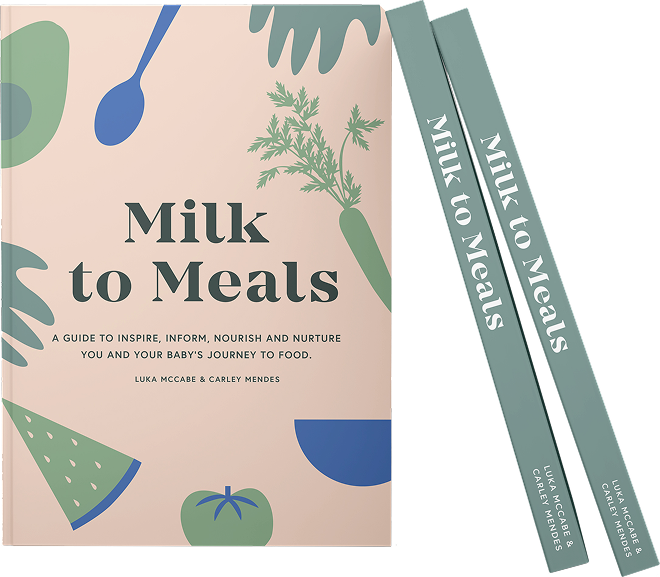
Our starting solids book Milk to Meals has more information on both methods, including over 80+ recipes to suit any method of feeding.
References
- Vazir S, Engle P, Balakrishna N, Griffiths PL, Johnson SL, Creed-Kanashiro H, et al. Cluster-randomized trial on complementary and responsive feeding education to caregivers found improved dietary intake, growth and development among rural Indian toddlers. Matern Child Nutr. 2013;9(1):99-117 (https://pubmed. ncbi.nlm.nih.gov/22625182/, accessed 25 January 2023)
- Coulthard, H., Harris, G., & Emmett, P. Delayed introduction of lumpy foods to children during complementary feeding period affects child’s food acceptance and feeding at 7 years of age. Maternal and Child Nutrition, 2009, 5(1), 75-85.
- Coulthard, Harris & Emmett 2009.
- Coulthard, Harris & Emmett 2009.
- Daniels L, Heath AL, Williams SM, Cameron SL, Fleming EA, Taylor BJ, Wheeler BJ, Gibson RS, Taylor RW. Baby-Led Introduction to SolidS (BLISS) study: a randomised controlled trial of a baby-led approach to complementary feeding. BMC Pediatr. 2015 Nov 12;15:179. doi: 10.1186/s12887-015-0491-8. PMID: 26563757; PMCID: PMC4643507.
- Fangupo, L. J., Heath, A. L. M., Williams, S. M., Erickson, D., Morrison, L., Fleming, E., Taylor, R. W., & Wheeler, B. J. (2016). A baby-led approach to eating solids and risk of choking: A randomized controlled trial. The Lancet, 388(10059), 2077–2085. https://doi.org/10.1016/S0140-6736(16)30844-6


Back in stock
Toddler to Table now back in stock!
Your guide to bringing the family together, one meal (and delicious recipe) at a time.
Order now
Premature Babies
When to start solids and what to expect.
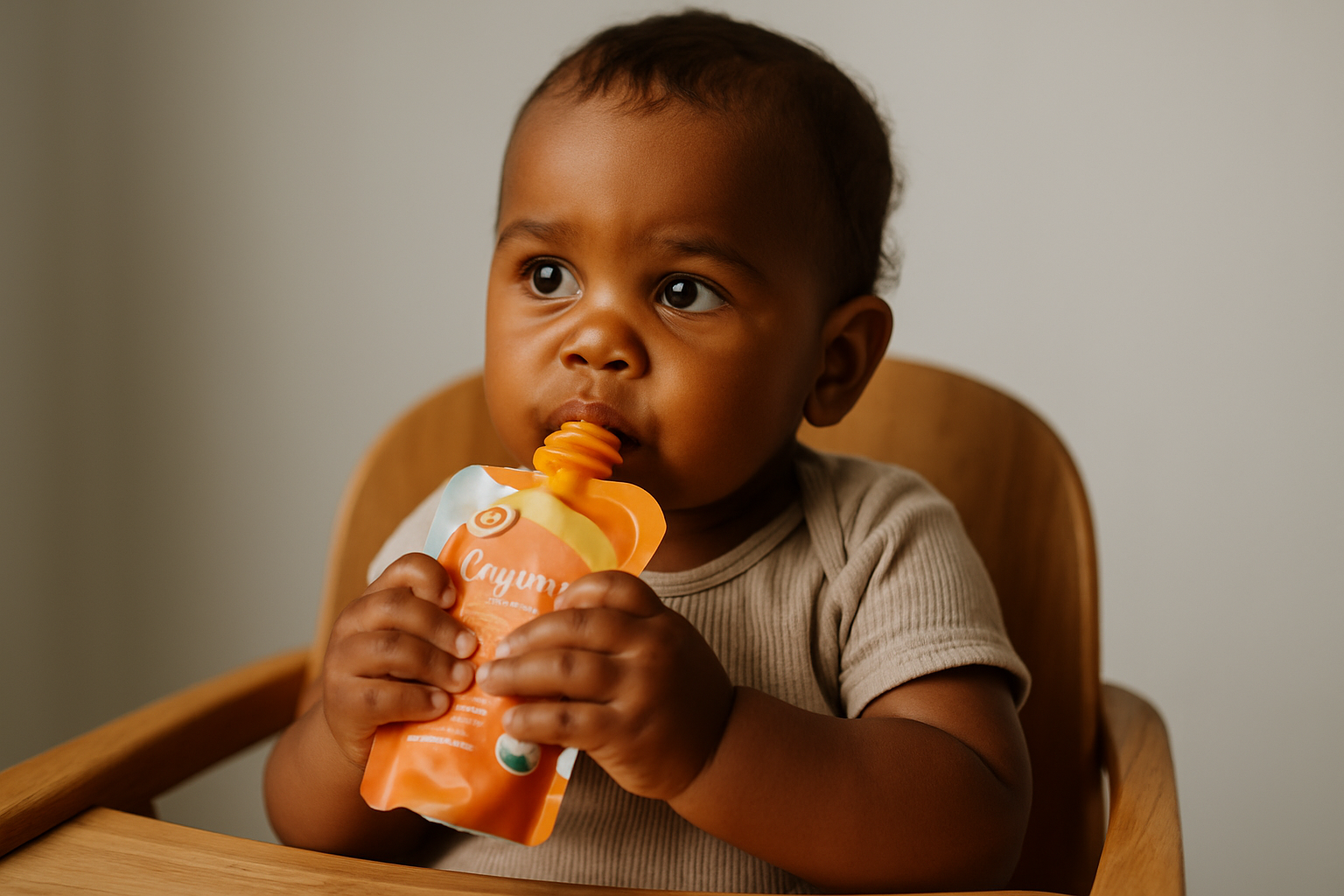
Baby Food Pouches
Food pouches are so convenient but are they doing more harm than good?

Dairy – Cows Milk
How to introduce dairy to babies, and is cows milk necessary in a toddlers diet?
Bone Broth/Meat Stock
Everything you need to know about bone broth
Tongue Ties
What should you do?

Cups for Babies & Toddlers
What You Need to Know


Add a comment
Show Comments
0Leave a Comment
Your email address will not be published. Required fields are marked *